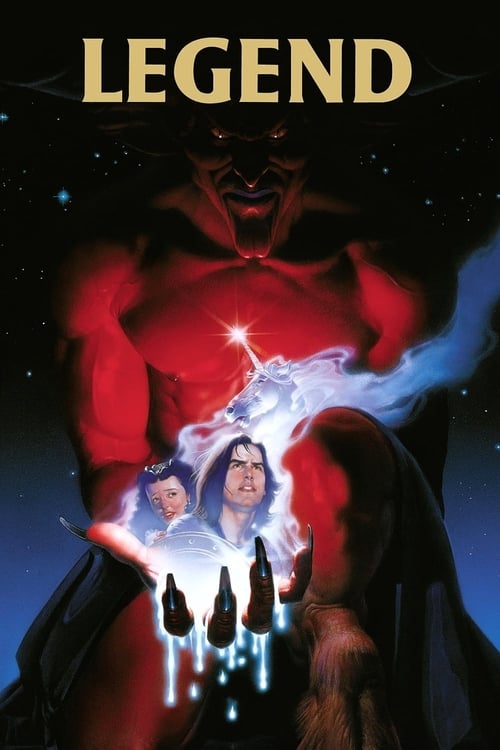
Legend
Legend Is About What Happens to the World the Moment You Touch the Thing You Were Told Not To
Directed by Ridley Scott
Ridley Scott built a fairy tale so saturated it looks like a dream, because it is one. It is a dream about the day innocence learns it has consequences.
Jack takes Princess Lili to see the unicorns, the last two on earth. He tells her not to approach them, that no one may touch them. She reaches out anyway, and the moment her fingers meet the unicorn's flank, Darkness's goblins strike, killing the stallion and stealing its horn. The world instantly freezes over. Snow buries the forest. This is not a punishment tacked onto the plot. It is the plot. Legend is a myth of the Fall staged with unicorns, and its subject is the exact instant when a protected innocence overreaches and lets the shadow into a world that had been holding it out. Everything after, the ice, the abduction, the descent into Darkness's lair, is the labor of putting back together what one touch broke open.
Jungian Reading: Darkness Is Not the Enemy. He Is the Disowned Half of the Light.
Tim Curry's Darkness is the most persuasive figure in the film, and that is deliberate. He is enormous, red, horned, and articulate, and when he courts Lili he does not lie to her about what he is. He tells her the light cannot exist without him, that they are two halves that require each other. In Jungian terms he is the Shadow, everything the bright innocent world of Jack and the unicorns has refused to integrate, and the film agrees with him more than most fairy tales dare. The problem in the story is not that Darkness exists. It is that the daylight world pretended he did not, sealed him away, and left itself defenseless the moment temptation arrived.
Lili's seduction sequence is the heart of this. Darkness dresses her in a black gown that dances toward her across the floor and possesses her, and she is drawn to it, delighted by the darkness in herself she had never been allowed to meet. Her arc is not resisting evil. It is meeting the disowned part of her own psyche and choosing what to do with it. When she finally moves to smash the horn rather than let Darkness keep it, she acts from a wholeness she did not have before she was tempted.
Alchemical Reading: The Horn Is the Solar Gold, and Winter Is the Nigredo
Alchemy begins with the nigredo, the blackening, the descent into cold and putrefaction that must precede any transformation. The stolen horn plunges the world into an eternal winter, and this is the nigredo made literal: the light extinguished, the ground frozen, the work seemingly ruined. The unicorn horn itself is a classic emblem of the philosophical gold, the incorruptible solar principle, the thing whose purity is precisely what the darkening operation must consume and then restore.
Jack's journey to Darkness's underworld is the alchemist descending into his own vessel at its blackest hour. The restoration comes through opposition brought into contact: to defeat Darkness the film floods his lair with light using mirrors and shields, a marriage of the two principles rather than the mere triumph of one. The horn is returned, the second unicorn revived, and the world thaws. The gold is recovered from the black. That is the whole shape of the opus, told as a bedtime story, which is exactly where alchemy always hid its most serious teaching.
Questions this film answers
What is the deeper meaning of Legend?
Jack takes Princess Lili to see the unicorns, the last two on earth. He tells her not to approach them, that no one may touch them. She reaches out anyway, and the moment her fingers meet the unicorn's flank, Darkness's goblins strike, killing the stallion and stealing its horn. The world instantly freezes over. Snow buries the forest. This is not a punishment tacked onto the plot. It is the plot. Legend is a myth of the Fall staged with unicorns, and its subject is the exact instant when a protected innocence overreaches and lets the shadow into a world that had been holding it out. Everything after, the ice, the abduction, the descent into Darkness's lair, is the labor of putting back together what one touch broke open.
What is the hidden symbolism in Legend?
Tim Curry's Darkness is the most persuasive figure in the film, and that is deliberate. He is enormous, red, horned, and articulate, and when he courts Lili he does not lie to her about what he is. He tells her the light cannot exist without him, that they are two halves that require each other. In Jungian terms he is the Shadow, everything the bright innocent world of Jack and the unicorns has refused to integrate, and the film agrees with him more than most fairy tales dare. The problem in the story is not that Darkness exists. It is that the daylight world pretended he did not, sealed him away, and left itself defenseless the moment temptation arrived.
What esoteric traditions appear in Legend?
Legend draws from Jungian, Alchemy traditions. Ridley Scott built a fairy tale so saturated it looks like a dream, because it is one. It is a dream about the day innocence learns it has consequences.
Is Legend worth watching for spiritual seekers?
Legend (1985) directed by Ridley Scott is essential viewing for those interested in Jungian, Alchemy. Legend Is About What Happens to the World the Moment You Touch the Thing You Were Told Not To. It rewards multiple viewings and contemplation.
Rewatch With New Eyes
Now that you've seen the architecture, experience it again. The same film becomes a different film when you know what to watch for.
This time, watch for:
- Meet the shadow: what is rejected, projected, and finally integrated
- Track the stages: blackening, whitening, reddening — death before rebirth
Links may include affiliate partnerships that support Media Revelations
The Descent Continues
Where this thread leads next.
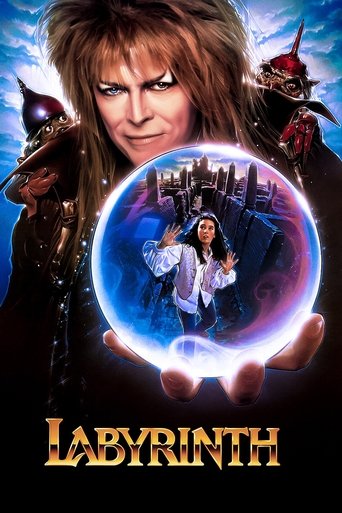
Labyrinth 1986
The Girl Who Had to Kill Her Fantasy to Grow Up
Read the revelation →