Mr. Brooks
Why Your Inner Demon Has a Face, a Voice, and a Name
Directed by Bruce A. Evans
Mr. Brooks is not a thriller about a serial killer. It is a precise clinical study of possession — the Shadow given form, voice, and veto power over the conscious self. Marshall is not a hallucination. He is the part of you that wants what you will not admit you want.
Mr. Brooks is the most honest depiction of the Shadow ever filmed — because it refuses the comforting fiction that the darkness is 'not really us.' Earl Brooks is not a man fighting an external demon. He is a man who has given his Shadow a seat at the table, a name, a voice, and now cannot remember how to eat alone. Marshall does not possess Brooks. Marshall IS Brooks — the part that wants the kill, that finds peace only in the act of destruction, that has been fed for so long he has become a permanent resident. The film's genius is casting William Hurt as the Shadow — charming, reasonable, seductive. Marshall never screams or threatens. He persuades. He reminds Earl of how good it felt. He is the addiction itself, personified. This is Jung's warning made flesh: what you do not make conscious will direct your life and you will call it fate. Brooks attends AA meetings, prays to God, genuinely loves his wife and daughter. None of it matters. The Shadow has been fed too long, grown too strong. The question the film asks is the question no one wants to answer: what if you cannot integrate the Shadow? What if you have passed the point of no return?
The Surface
On the surface, Mr. Brooks is a serial killer thriller with a twist: the killer is a successful businessman, beloved by his community, recipient of the Man of the Year award. He has a beautiful wife, a daughter in college, a thriving box company. By day he is everything society rewards. By night he murders strangers in their beds.
The 'twist' is that Brooks talks to his dark side — a figure named Marshall, visible only to him, played with serpentine charm by William Hurt. Critics often describe this as a split personality or hallucination. They are wrong. Marshall is something far more disturbing: he is the part of Brooks that has been externalized, given form, and cannot be put back.
The film refuses the comfort of madness. Brooks is not insane. He knows exactly what he is doing. He plans meticulously, disposes of evidence carefully, maintains his cover expertly. He simply cannot stop. The addiction is stronger than the man.
The Shadow Made Visible
Jung described the Shadow as containing everything the conscious self refuses to acknowledge — the desires, impulses, and capacities that the ego finds unacceptable. Most people project their Shadow onto others: criminals, enemies, the 'bad people' out there. They never recognize it as part of themselves.
Brooks has done something different. He has made his Shadow visible to himself. He sees Marshall, talks to Marshall, argues with Marshall. This might seem like progress — isn't awareness the first step? But the film shows the trap: once the Shadow is externalized and given agency, it becomes a negotiating partner rather than an aspect of self to integrate.
Marshall does not force Brooks to kill. He seduces. He reminds. He makes suggestions. 'Just one more.' 'Remember how peaceful you felt?' 'You've earned this.' This is precisely how addiction works — not as external compulsion but as internal persuasion from a voice that knows exactly what you want to hear.
The tragedy is that Brooks has given Marshall too much power for too long. The Shadow has become a permanent resident, not a visitor. Integration — the Jungian goal — may no longer be possible when the split has become this complete.
The Addiction Template
The film explicitly frames murder as addiction. Brooks attends AA meetings. He recites the Serenity Prayer. He has been 'clean' for two years when the film opens, and the relapse narrative follows the addiction template precisely: the trigger, the mounting craving, the bargaining, the inevitable fall.
What makes Mr. Brooks disturbing is that it applies this framework to something society considers absolute evil. Murder is not supposed to follow the same pattern as alcoholism. But the film insists it does. The compulsion, the temporary relief, the shame, the resolution to stop, the inevitable relapse — Brooks experiences all of it.
This is not an excuse. The film never suggests Brooks is not responsible for his actions. But it does suggest that the mechanism of addiction — the way certain acts become necessary for the addict to feel whole — operates beyond the categories of good and evil. You can be addicted to destruction itself.
The AA prayer takes on terrible irony: accept the things I cannot change. What if the thing you cannot change is the part of you that needs to kill?
The Witness Who Becomes Infected
Mr. Smith, the amateur photographer who witnesses Brooks commit murder, represents something crucial: the Shadow is contagious. Smith does not report what he saw. He blackmails Brooks — but not for money. He wants to come along. He wants to experience the kill.
Smith is a would-be serial killer who lacks the courage to act alone. He has his own Marshall, his own Shadow calling to him, but he has kept it suppressed. Witnessing Brooks in action awakens something that was already there. The Shadow, once glimpsed, recognizes itself.
This is the film's most subversive suggestion: the difference between Brooks and Smith is not moral but practical. Smith has the same impulse. He simply had not yet found permission to act. Watching someone else do it — watching someone successful, respected, functional do it — grants that permission.
The implication extends beyond the plot. How many people contain a Marshall they have never acknowledged? How many would act if they saw someone they admired acting first?
The Daughter's Inheritance
Brooks' daughter Jane returns home from college pregnant — and suspected of a murder at her school. The horror of inheritance runs through this subplot: has she inherited her father's compulsion? Is the Shadow genetic, transmissible, passed down like eye color?
The film leaves this ambiguous. Jane may have killed someone, or she may be innocent and running from accusation. But Brooks clearly believes she is capable of it. He considers killing her to prevent her from becoming what he is — and the fact that he considers this, that Marshall suggests it as mercy, reveals how far he has fallen.
The inheritance question strikes at the heart of the Shadow concept. If the darkness is part of us, is it also part of our children? Do we pass down our unintegrated Shadow to the next generation? The sins of the father, literalized not as divine punishment but as psychological transmission.
The Transmission
Mr. Brooks transmits a specific horror: the recognition that the monster is not other than us. Marshall is not an alien presence. He is Earl, stripped of social constraint. The face of addiction, seduction, and self-destruction is familiar because it is our own face from a different angle.
The film refuses redemption. Brooks does not overcome his addiction. He does not integrate his Shadow. He simply continues — managing, hiding, relapsing, managing again. This is the truth the film offers: some people do not recover. Some bargains with darkness cannot be renegotiated.
What you feed grows stronger. What you name gains power. What you split off and give a seat at the table may never leave. Mr. Brooks is a warning dressed as a thriller: your Shadow is listening, and he remembers every time you said yes.
Questions this film answers
What is the deeper meaning of Mr. Brooks?
Mr. Brooks is the most honest depiction of the Shadow ever filmed — because it refuses the comforting fiction that the darkness is 'not really us.' Earl Brooks is not a man fighting an external demon. He is a man who has given his Shadow a seat at the table, a name, a voice, and now cannot remember how to eat alone. Marshall does not possess Brooks. Marshall IS Brooks — the part that wants the kill, that finds peace only in the act of destruction, that has been fed for so long he has become a permanent resident. The film's genius is casting William Hurt as the Shadow — charming, reasonable, seductive. Marshall never screams or threatens. He persuades. He reminds Earl of how good it felt. He is the addiction itself, personified. This is Jung's warning made flesh: what you do not make conscious will direct your life and you will call it fate. Brooks attends AA meetings, prays to God, genuinely loves his wife and daughter. None of it matters. The Shadow has been fed too long, grown too strong. The question the film asks is the question no one wants to answer: what if you cannot integrate the Shadow? What if you have passed the point of no return?
What is the hidden symbolism in Mr. Brooks?
On the surface, Mr. Brooks is a serial killer thriller with a twist: the killer is a successful businessman, beloved by his community, recipient of the Man of the Year award. He has a beautiful wife, a daughter in college, a thriving box company. By day he is everything society rewards. By night he murders strangers in their beds.
What esoteric traditions appear in Mr. Brooks?
Mr. Brooks draws from Jungian traditions. Mr. Brooks is not a thriller about a serial killer. It is a precise clinical study of possession — the Shadow given form, voice, and veto power over the conscious self. Marshall is not a hallucination. He is the part of you that wants what you will not admit you want.
What does Mr. Brooks teach about the shadow made visible?
Marshall does not force Brooks to kill. He seduces. He reminds. He makes suggestions. This is precisely how addiction works. Jung described the Shadow as containing everything the conscious self refuses to acknowledge — the desires, impulses, and capacities that the ego finds unacceptable. Most people project their Shadow onto others: criminals, enemies, the 'bad people' out there. They never recognize it as part of themselves.
What does Mr. Brooks teach about the witness who becomes infected?
The Shadow, once glimpsed, recognizes itself. Smith has the same impulse — he simply had not yet found permission to act. Mr. Smith, the amateur photographer who witnesses Brooks commit murder, represents something crucial: the Shadow is contagious. Smith does not report what he saw. He blackmails Brooks — but not for money. He wants to come along. He wants to experience the kill.
Is Mr. Brooks worth watching for spiritual seekers?
Mr. Brooks (2007) directed by Bruce A. Evans is essential viewing for those interested in Jungian, Shadow, Possession. Why Your Inner Demon Has a Face, a Voice, and a Name. It rewards multiple viewings and contemplation.
Rewatch With New Eyes
Now that you've seen the architecture, experience it again. The same film becomes a different film when you know what to watch for.
This time, watch for:
- Meet the shadow: what is rejected, projected, and finally integrated
Links may include affiliate partnerships that support Media Revelations
The Descent Continues
Where this thread leads next.
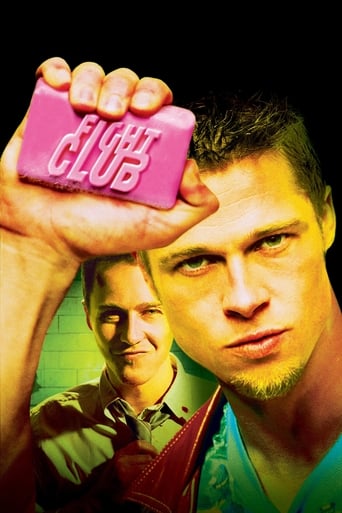
Fight Club 1999
The Shadow Made Flesh and the Alchemy of Self-Destruction
Read the revelation →