Onmyoji: The Yin-Yang Master
Onmyoji Says the Man Who Holds Your True Name Holds You
Directed by Yôjirô Takita
Heian Japan kept sorcerers on the imperial payroll. This film shows why. The unseen world does not run on fear. It runs on law, and the law is spoken.
Abe no Seimei practices onmyodo, the yin-yang science of binding spirits through their true names. He is a courtier who wins every confrontation not by overpowering demons but by naming them, because in his cosmology the name is not a label attached to a thing. The name is the thing's governing law, the exact frequency at which it exists. To speak it correctly is to hold the reins. The film dramatizes a magical worldview most Western viewers only meet as metaphor: that reality is structured like a language, that everything that exists is a kind of spell already cast, and that the sorcerer is simply the one who can read the grammar. Seimei reads that law the way an astronomer reads the sky, calm and unhurried, because he already knows how the sentence ends.
Shamanism Reading: The Sorcerer as Diplomat Between the Worlds
The onmyoji is not a warrior. He is a technician of the threshold, and this is the film's most authentic transmission. Seimei's power comes from his relationship with the shikigami, familiar spirits he binds and directs, and the relationship is negotiated, not enforced. He treats the unseen realm as a jurisdiction with its own statutes rather than a wilderness to be conquered. When curses fly through the imperial court, Seimei's response is never brute counter-force. It is diagnosis. He traces the curse back to its origin, identifies who cast it and why, and unwinds it at the knot.
This is precisely the shaman's actual social function across cultures: the person who walks between the human community and the spirit world and keeps the treaty intact. Seimei's rival Doson uses the same science for domination, feeding the court's jealousies to raise a vengeful spirit. The two men know identical techniques. The difference is that one serves the balance between the worlds and the other tries to weaponize the crossing. The film understands that magic, like any technology, is neutral, and that the practitioner's orientation toward harmony or conquest is the whole moral question.
Kabbalah Reading: Creation and Binding Through the Divine Name
The kabbalistic tradition holds that God created the world by speaking, that the letters of the sacred name are the load-bearing structure of reality, and that a master of the Name can shape matter, as in the legend of the golem animated by a word placed in its mouth. Onmyoji operates on the same metaphysics in an Eastern key. Names are not descriptions. They are the code that runs the machine of the world.
Watch the film's central rule and its dread. To learn a demon's true name is to gain total power over it, which means that to have your own name discovered is to be enslaved. Seimei guards names, deploys them, and withholds them with the care of a man handling live current. The vengeful spirit that threatens the court can only be pacified once its true grievance and true identity are named aloud, which is exactly the kabbalistic and shamanic principle that nothing can be healed until it is correctly named. The word does not describe the wound. The word is the surgery.
Questions this film answers
What is the deeper meaning of Onmyoji: The Yin-Yang Master?
Abe no Seimei practices onmyodo, the yin-yang science of binding spirits through their true names. He is a courtier who wins every confrontation not by overpowering demons but by naming them, because in his cosmology the name is not a label attached to a thing. The name is the thing's governing law, the exact frequency at which it exists. To speak it correctly is to hold the reins. The film dramatizes a magical worldview most Western viewers only meet as metaphor: that reality is structured like a language, that everything that exists is a kind of spell already cast, and that the sorcerer is simply the one who can read the grammar. Seimei reads that law the way an astronomer reads the sky, calm and unhurried, because he already knows how the sentence ends.
What is the hidden symbolism in Onmyoji: The Yin-Yang Master?
The onmyoji is not a warrior. He is a technician of the threshold, and this is the film's most authentic transmission. Seimei's power comes from his relationship with the shikigami, familiar spirits he binds and directs, and the relationship is negotiated, not enforced. He treats the unseen realm as a jurisdiction with its own statutes rather than a wilderness to be conquered. When curses fly through the imperial court, Seimei's response is never brute counter-force. It is diagnosis. He traces the curse back to its origin, identifies who cast it and why, and unwinds it at the knot.
What esoteric traditions appear in Onmyoji: The Yin-Yang Master?
Onmyoji: The Yin-Yang Master draws from Shamanism, Kabbalah traditions. Heian Japan kept sorcerers on the imperial payroll. This film shows why. The unseen world does not run on fear. It runs on law, and the law is spoken.
Is Onmyoji: The Yin-Yang Master worth watching for spiritual seekers?
Onmyoji: The Yin-Yang Master (2001) directed by Yôjirô Takita is essential viewing for those interested in Shamanism, Kabbalah. Onmyoji Says the Man Who Holds Your True Name Holds You. It rewards multiple viewings and contemplation.
Rewatch With New Eyes
Now that you've seen the architecture, experience it again. The same film becomes a different film when you know what to watch for.
This time, watch for:
- Follow the descent: what dies, what guides, what returns transformed
- Notice the vessels: what contains, what shatters, what repairs
Links may include affiliate partnerships that support Media Revelations
The Descent Continues
Where this thread leads next.
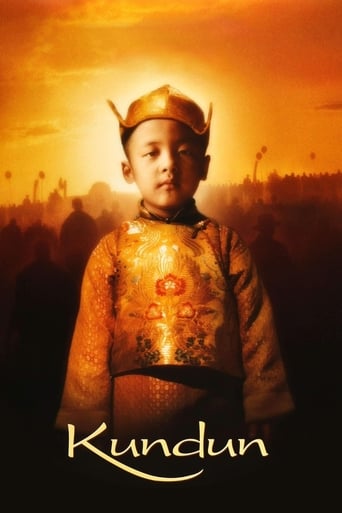
Kundun 1997
Kundun Is Scorsese's Film About Losing Everything Without Losing Yourself
Read the revelation →