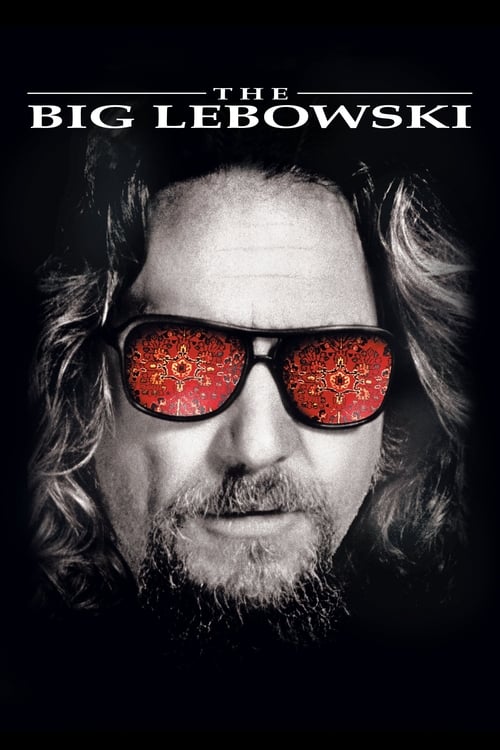
The Big Lebowski
The Big Lebowski Is a Comedy About the One Man in Los Angeles Who Refuses to Grasp
Directed by Joel Coen
Everyone in this film wants something and schemes to get it. The Dude wants his rug back and mostly wants to bowl. He is the only one who ends the film unharmed.
The plot of The Big Lebowski is a knot of greed. A millionaire's wife fakes her own kidnapping, a ransom is embezzled, nihilists demand money they were never owed, and a pornographer, a private eye, and an artist all pull threads for their own ends. Into this the Dude wanders because two men urinated on his rug after mistaking him for a different Lebowski. He wants compensation for a rug. That is the entire scope of his desire. The Coens build an elaborate machine of scheming and violence and then place at its center a man who declines to scheme, and the comedy is that the machine cannot get a grip on him. He has nothing to leverage, nothing to protect, nothing he will kill or lie for. The film is dressed as a stoner detective spoof. Underneath, it is a study of the one posture that the whole grasping world cannot corrupt.
Buddhist Reading: The Dude as an Accidental Master of Non-Attachment
The Dude abides. The film's most repeated word is its deepest teaching. To abide is to remain, to rest, to stay present without clinging, and the Dude does it not through discipline but through temperament, which is its own kind of joke and its own kind of truth. Everyone around him is driven by tanha, the thirst that Buddhism names as the root of suffering. Walter thirsts for order and vengeance. The big Lebowski thirsts for status he does not actually possess. The nihilists thirst for money and, failing that, for the appearance of menace. Each of them suffers in exact proportion to their grasping.
The Dude suffers least because he wants least. Watch what happens to his desires across the film: the rug is lost, the replacement rug is lost, his car is wrecked and befouled, and he responds to each loss with a shrug and a return to the lanes. Bowling is his meditation hall, the one place where the point is the motion and not the acquisition. The film ends with Walter's rage having gotten a friend killed, and the Dude simply going bowling. The Stranger's closing line, that the Dude abides, is the film telling you that non-attachment is not defeat. It is the only thing that walks out of Los Angeles intact.
Jungian Reading: Walter Is the Shadow the Dude Cannot Disown
The Dude never acts alone. He is bound to Walter, a raging, armed, trauma-haunted Vietnam veteran who escalates every situation the Dude tries to defuse. Jung would name Walter immediately: he is the Dude's shadow, the aggression and control and violence that the Dude's easy temperament has exiled, given a body and a bowling shirt and a permanent seat at the table. The Dude cannot get rid of Walter, and this is the point. The peaceful self does not become whole by pretending the violent self does not exist.
Every disaster in the film flows from Walter, from the botched ransom drop to the beating of a teenager's car to the scattering of Donny's ashes into the Dude's own face. And yet the friendship holds. The final scene is the two of them embracing at the alley. The Dude's wholeness is not the absence of the shadow but the refusal to abandon it. He carries Walter the way the psyche carries what it cannot integrate cleanly, with exhaustion, forgiveness, and a return to the game.
Questions this film answers
What is the deeper meaning of The Big Lebowski?
The plot of The Big Lebowski is a knot of greed. A millionaire's wife fakes her own kidnapping, a ransom is embezzled, nihilists demand money they were never owed, and a pornographer, a private eye, and an artist all pull threads for their own ends. Into this the Dude wanders because two men urinated on his rug after mistaking him for a different Lebowski. He wants compensation for a rug. That is the entire scope of his desire. The Coens build an elaborate machine of scheming and violence and then place at its center a man who declines to scheme, and the comedy is that the machine cannot get a grip on him. He has nothing to leverage, nothing to protect, nothing he will kill or lie for. The film is dressed as a stoner detective spoof. Underneath, it is a study of the one posture that the whole grasping world cannot corrupt.
What is the hidden symbolism in The Big Lebowski?
The Dude abides. The film's most repeated word is its deepest teaching. To abide is to remain, to rest, to stay present without clinging, and the Dude does it not through discipline but through temperament, which is its own kind of joke and its own kind of truth. Everyone around him is driven by tanha, the thirst that Buddhism names as the root of suffering. Walter thirsts for order and vengeance. The big Lebowski thirsts for status he does not actually possess. The nihilists thirst for money and, failing that, for the appearance of menace. Each of them suffers in exact proportion to their grasping.
What esoteric traditions appear in The Big Lebowski?
The Big Lebowski draws from Buddhism, Jungian traditions. Everyone in this film wants something and schemes to get it. The Dude wants his rug back and mostly wants to bowl. He is the only one who ends the film unharmed.
Is The Big Lebowski worth watching for spiritual seekers?
The Big Lebowski (1998) directed by Joel Coen is essential viewing for those interested in Buddhism, Jungian. The Big Lebowski Is a Comedy About the One Man in Los Angeles Who Refuses to Grasp. It rewards multiple viewings and contemplation.
Rewatch With New Eyes
Now that you've seen the architecture, experience it again. The same film becomes a different film when you know what to watch for.
This time, watch for:
- See impermanence: what clings, what releases, what remains
- Meet the shadow: what is rejected, projected, and finally integrated
Links may include affiliate partnerships that support Media Revelations
The Descent Continues
Where this thread leads next.
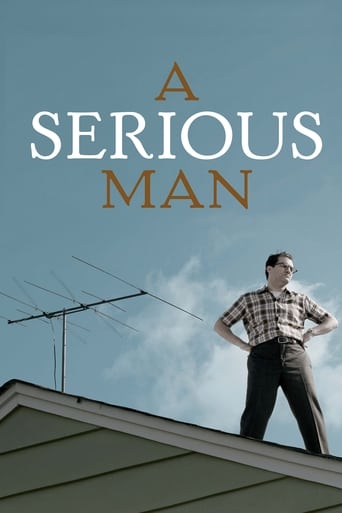
A Serious Man 2009
A Serious Man Is the Book of Job Told by a God Who Never Speaks From the Whirlwind
Read the revelation →