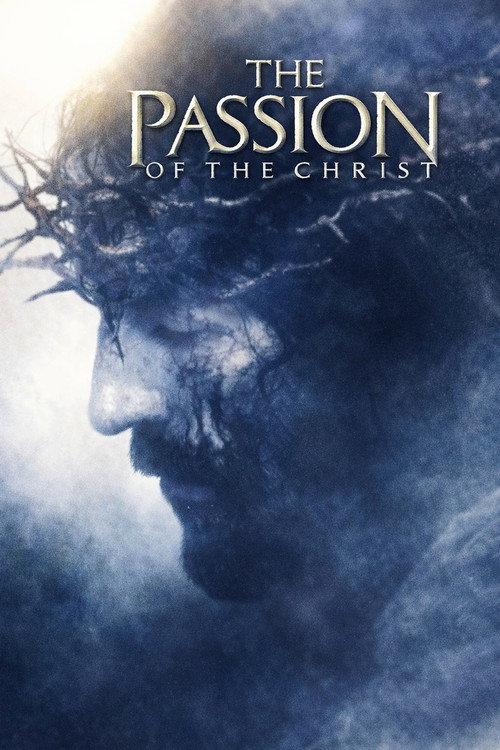
The Passion of the Christ
The Passion of the Christ Is an Alchemical Operation Filmed in Real Time
Directed by Mel Gibson
Gibson refused to look away from the body being broken. The unbearable duration is the point. Transformation this total cannot be summarized.
Mel Gibson films the last twelve hours of Jesus of Nazareth as an almost unwatchable ordeal of flesh: the scourging that strips muscle from bone, the crown pressed into the skull, the slow vertical death by crucifixion. Critics called it torture pornography. That reading takes the surface for the whole. What Gibson is actually staging is the oldest transformation narrative known to the West, and he stages it through the body because the body is where the operation happens. This is not a film about suffering. It is a film about matter being subjected to a process that turns it into something it was not, and Gibson insists on every stage of the process because the tradition insists that nothing is transmuted that is not first entirely undone.
Alchemical Reading: The Coagulated God Through Every Stage of the Opus
The alchemical opus proceeds through fixed stages, and the Passion moves through them with an almost liturgical precision. The nigredo, the blackening, begins in Gethsemane where Christ sweats what the text calls blood and a serpent crawls toward him in the dark, the descent into the lowest matter, the confrontation with dissolution. Gibson opens on this in blue-black night before a single blow lands.
The scourging is the calcinatio and the flagellation of the alchemists made literal, the body burned and beaten down to its base substance. The blood pouring across stone is the film's dominant image because the reddening, the rubedo, the final stage where the perfected substance emerges gold-red, is what the whole operation is driving toward. The alchemists drew Christ on the cross as the philosophers' stone for a reason: the stone is made by the same method, matter fixed to the cross of the four elements and killed into perfection. Gibson even gives us the raven that descends to pluck out the unrepentant thief's eye, the alchemical bird of the nigredo. The single falling raindrop that strikes the earth at the moment of death is the completed tincture returning to the world. The body had to be that thoroughly destroyed because the tradition is explicit: no coagulation without prior dissolution, no gold without the black death of the lead.
Gnostic Reading: The Feminine Witness the Orthodoxy Wrote Out
Gnostic Christianity elevated the divine feminine and the figure of Sophia, wisdom, as central to the redemption story, a role the later orthodoxy diminished. Gibson, working from Catholic mysticism, restores her without naming her. The film's true structural counterpart to Christ is not any disciple. It is Mary, and beside her a female Satan, a pale androgynous tempter who moves through the crowd mirroring the mother.
Watch the two women read the event. Satan carries a monstrous infant through the mob, a grotesque inversion of madonna and child, the false feminine parodying the true. Mary meanwhile is given the film's most piercing image: as the child Jesus once fell in the courtyard, so the grown man falls under the cross, and the film cuts between them, and she runs to him in both, mother catching the falling god across time. The two feminine figures frame the entire crucifixion as a contest witnessed and held by the woman, the Sophia the orthodox story pushed to the margin. Gibson's camera keeps returning to Mary's face because she is the one who sees the operation whole, who knows what is being made and what it costs, and who does not look away. She is the knowing the tradition kept trying to forget.
Questions this film answers
What is the deeper meaning of The Passion of the Christ?
Mel Gibson films the last twelve hours of Jesus of Nazareth as an almost unwatchable ordeal of flesh: the scourging that strips muscle from bone, the crown pressed into the skull, the slow vertical death by crucifixion. Critics called it torture pornography. That reading takes the surface for the whole. What Gibson is actually staging is the oldest transformation narrative known to the West, and he stages it through the body because the body is where the operation happens. This is not a film about suffering. It is a film about matter being subjected to a process that turns it into something it was not, and Gibson insists on every stage of the process because the tradition insists that nothing is transmuted that is not first entirely undone.
What is the hidden symbolism in The Passion of the Christ?
The alchemical opus proceeds through fixed stages, and the Passion moves through them with an almost liturgical precision. The nigredo, the blackening, begins in Gethsemane where Christ sweats what the text calls blood and a serpent crawls toward him in the dark, the descent into the lowest matter, the confrontation with dissolution. Gibson opens on this in blue-black night before a single blow lands.
What esoteric traditions appear in The Passion of the Christ?
The Passion of the Christ draws from Alchemy, Gnosticism traditions. Gibson refused to look away from the body being broken. The unbearable duration is the point. Transformation this total cannot be summarized.
Is The Passion of the Christ worth watching for spiritual seekers?
The Passion of the Christ (2004) directed by Mel Gibson is essential viewing for those interested in Alchemy, Gnosticism. The Passion of the Christ Is an Alchemical Operation Filmed in Real Time. It rewards multiple viewings and contemplation.
Rewatch With New Eyes
Now that you've seen the architecture, experience it again. The same film becomes a different film when you know what to watch for.
This time, watch for:
- Track the stages: blackening, whitening, reddening — death before rebirth
- Watch for the false world vs. the real — who is asleep, who awakens
Links may include affiliate partnerships that support Media Revelations