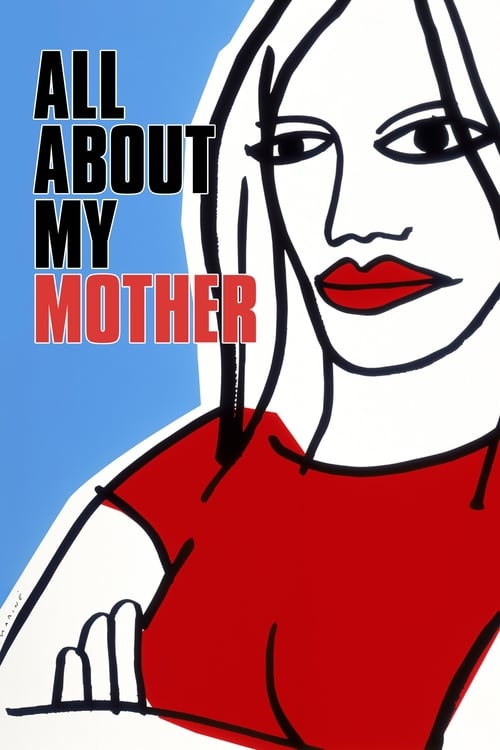
All About My Mother
All About My Mother Rebuilds a Family Out of Everyone Society Threw Away
Directed by Pedro Almodóvar
A mother loses her son and travels to Barcelona to find his father. What she finds instead is a whole community of women, and a redefinition of what a mother is.
Manuela watches her teenage son Esteban die under the wheels of a car on his birthday, chasing an actress for an autograph in the rain. She had been raising him alone, keeping the identity of his father a secret. Now she travels to Barcelona to tell that father his son existed and is gone. But the father, Esteban's namesake, has become Lola, a trans woman dying of AIDS, and Manuela never manages a simple confrontation. Instead the film gathers a household around her: Agrado, a trans sex worker with a comedian's timing; Rosa, a young pregnant nun infected by Lola; Huma, the actress Esteban died chasing, playing Blanche in A Streetcar Named Desire. Almodóvar builds his film out of A Streetcar Named Desire and All About Eve, films and plays about women performing themselves, and turns their artifice into something the opposite of false. The revelation is that motherhood here is not biology. It is the labor of caring for the people life has broken, and it can be performed by anyone willing to do it.
Jungian Reading: The Great Mother Multiplied Across Many Bodies
Jung described the Mother as an archetype far larger than any individual woman, a force that contains both the nurturing and the devouring, life-giving and grief-bearing at once. All About My Mother scatters this single archetype across an entire cast so that no one person has to carry it whole. Manuela is the grieving mother who has lost a child. Rosa is the mother who dies giving birth. Huma mothers her addicted lover Nina backstage. Agrado mothers everyone through comedy, holding the group together with jokes when sincerity would shatter them.
The most Jungian gesture is the film's circular passing of the child. Manuela loses Esteban, then receives Rosa's newborn, also named Esteban, and raises him as her own, and this third Esteban is the one born with HIV who, against every expectation, neutralizes the virus in his blood. The archetype completes its cycle: the mother who lost a son becomes the mother who saves one. Almodóvar shows that the Great Mother was never located in one woman. She moves between them, and the individual women are the temporary vessels through which the larger force does its work of holding the living and the dying.
Alchemical Reading: Agrado's Authenticity Speech as Transmutation
Alchemy is the doctrine that base material can be transformed into gold through work, heat, and the marriage of opposites, and that the transformed thing is more real, not less, for having been made rather than born. Agrado delivers the film's alchemical thesis directly from a stage. When the play is cancelled, she steps before the audience and recounts, part by part, everything her body cost her: the price of her breasts, her jaw, her nose, her silicone. She ends by saying that you are more authentic the more you resemble what you have dreamed you are.
This is the alchemical creed spoken by a woman standing in her own finished work. She is not counterfeit. She is transmuted, base matter deliberately worked into the shape of a self, and she claims that made-ness as the source of her authenticity rather than a wound to it. Almodóvar places this speech at the film's center because it is the key to everyone in it. Manuela's mothering, Huma's Blanche, the whole rebuilt family are all made things, and the film insists that made can be more true than given.
Other Almodóvar studies in the made and the maternal: Talk to Her (care given to those who cannot receive it), Parallel Mothers (motherhood and buried history), Volver (the mother who returns from the dead).
Questions this film answers
What is the deeper meaning of All About My Mother?
Manuela watches her teenage son Esteban die under the wheels of a car on his birthday, chasing an actress for an autograph in the rain. She had been raising him alone, keeping the identity of his father a secret. Now she travels to Barcelona to tell that father his son existed and is gone. But the father, Esteban's namesake, has become Lola, a trans woman dying of AIDS, and Manuela never manages a simple confrontation. Instead the film gathers a household around her: Agrado, a trans sex worker with a comedian's timing; Rosa, a young pregnant nun infected by Lola; Huma, the actress Esteban died chasing, playing Blanche in A Streetcar Named Desire. Almodóvar builds his film out of A Streetcar Named Desire and All About Eve, films and plays about women performing themselves, and turns their artifice into something the opposite of false. The revelation is that motherhood here is not biology. It is the labor of caring for the people life has broken, and it can be performed by anyone willing to do it.
What is the hidden symbolism in All About My Mother?
Jung described the Mother as an archetype far larger than any individual woman, a force that contains both the nurturing and the devouring, life-giving and grief-bearing at once. All About My Mother scatters this single archetype across an entire cast so that no one person has to carry it whole. Manuela is the grieving mother who has lost a child. Rosa is the mother who dies giving birth. Huma mothers her addicted lover Nina backstage. Agrado mothers everyone through comedy, holding the group together with jokes when sincerity would shatter them.
What esoteric traditions appear in All About My Mother?
All About My Mother draws from Jungian, Alchemy traditions. A mother loses her son and travels to Barcelona to find his father. What she finds instead is a whole community of women, and a redefinition of what a mother is.
Is All About My Mother worth watching for spiritual seekers?
All About My Mother (1999) directed by Pedro Almodóvar is essential viewing for those interested in Jungian, Alchemy. All About My Mother Rebuilds a Family Out of Everyone Society Threw Away. It rewards multiple viewings and contemplation.
Rewatch With New Eyes
Now that you've seen the architecture, experience it again. The same film becomes a different film when you know what to watch for.
This time, watch for:
- Meet the shadow: what is rejected, projected, and finally integrated
- Track the stages: blackening, whitening, reddening — death before rebirth
Links may include affiliate partnerships that support Media Revelations