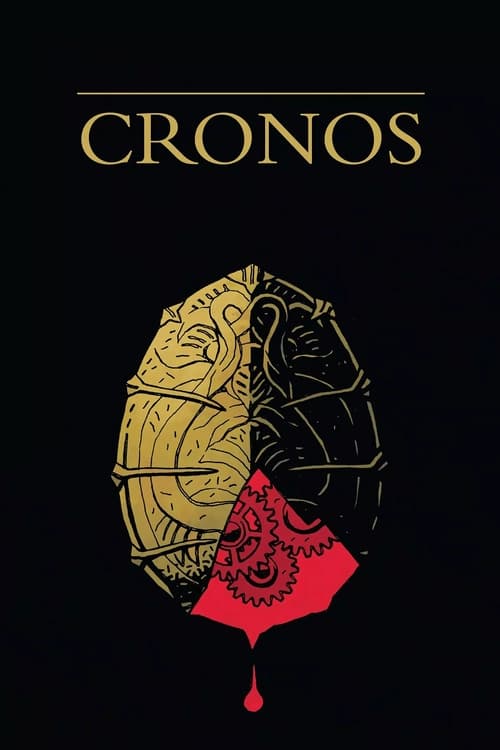
Cronos
Cronos Is What Immortality Costs When You Buy It From an Insect
Directed by Guillermo del Toro
A 16th-century alchemist sealed a living thing inside a golden scarab. Four hundred years later a gentle old man winds it up and it drinks him.
Del Toro's first feature is a vampire film that refuses every vampire cliche in order to say something colder underneath them. The Cronos device is a clockwork beetle of gold, and inside it a small immortal insect feeds on the blood of whoever the machine pierces, giving back youth in exchange. Jesús Gris, an aging antiques dealer, finds it, and the film watches with terrible tenderness as the thing remakes him: he grows younger, his skin sloughs, and he begins to crave what he once was disgusted by. The surface is horror. The real subject is the oldest promise ever sold to a human being, that you can escape death by ingesting life, and del Toro insists on showing you the full invoice.
Alchemical Reading: The Device Is a Corrupted Philosopher's Stone
The Cronos device is not a random gadget. It is the philosopher's stone rendered as a trap. Real alchemy sought the elixir of long life through inner purification, the slow transmutation of base matter into gold as an outward sign of an inward work. The device inverts this completely: it delivers the reward without the work. Gold on the outside, a parasite on the inside. The alchemist who built it did not transform himself, he outsourced transformation to a captive creature and then hid inside his own house for four centuries, white as wax, hanging in a vat, refusing the one thing alchemy actually requires, which is death and rebirth of the self.
Watch the physical stages the film gives Gris. He is pierced, he bleeds, he begins to putrefy, his old skin peels away and a new pallid body emerges beneath, and he must be entombed and rise again from a coffin before the story ends. Those are the classical stages laid out in order: nigredo, the blackening and rot; albedo, the pale washed body; the sealed vessel of the tomb. The film runs the entire alchemical opus, but on a man who never chose the discipline, so the process happens to him as horror rather than through him as awakening. This is the difference between transmutation and infection.
Gnostic Reading: The Flesh as Prison the Insect Only Sharpens
Del Toro's Catholicism runs Gnostic here. The great human error the film diagnoses is clinging to the body as if it were the self. De la Guardia, the dying industrialist who wants the device, is the pure form of this error: a man kept alive by machines in a sterile room, hoarding the scarab like a relic, treating survival as salvation. He has confused staying in the prison with being free.
Gris takes the opposite path, and it is the film's quiet gnosis. As his craving for blood peaks, he stands over his sleeping granddaughter Aurora, and the addiction and the love collide in his ruined face. The recognition that arrives is that the immortality on offer is not eternal life but eternal appetite, an endless subjection to the flesh's demand. When Gris finally smashes the device and refuses the last feeding, choosing to die whole rather than persist as a hunger, he performs the Gnostic release: the true self is not the body that wants to go on forever. It is the awareness that can lay the body down.
Questions this film answers
What is the deeper meaning of Cronos?
Del Toro's first feature is a vampire film that refuses every vampire cliche in order to say something colder underneath them. The Cronos device is a clockwork beetle of gold, and inside it a small immortal insect feeds on the blood of whoever the machine pierces, giving back youth in exchange. Jesús Gris, an aging antiques dealer, finds it, and the film watches with terrible tenderness as the thing remakes him: he grows younger, his skin sloughs, and he begins to crave what he once was disgusted by. The surface is horror. The real subject is the oldest promise ever sold to a human being, that you can escape death by ingesting life, and del Toro insists on showing you the full invoice.
What is the hidden symbolism in Cronos?
The Cronos device is not a random gadget. It is the philosopher's stone rendered as a trap. Real alchemy sought the elixir of long life through inner purification, the slow transmutation of base matter into gold as an outward sign of an inward work. The device inverts this completely: it delivers the reward without the work. Gold on the outside, a parasite on the inside. The alchemist who built it did not transform himself, he outsourced transformation to a captive creature and then hid inside his own house for four centuries, white as wax, hanging in a vat, refusing the one thing alchemy actually requires, which is death and rebirth of the self.
What esoteric traditions appear in Cronos?
Cronos draws from Alchemy, Gnosticism traditions. A 16th-century alchemist sealed a living thing inside a golden scarab. Four hundred years later a gentle old man winds it up and it drinks him.
Is Cronos worth watching for spiritual seekers?
Cronos (1993) directed by Guillermo del Toro is essential viewing for those interested in Alchemy, Gnosticism. Cronos Is What Immortality Costs When You Buy It From an Insect. It rewards multiple viewings and contemplation.
Rewatch With New Eyes
Now that you've seen the architecture, experience it again. The same film becomes a different film when you know what to watch for.
This time, watch for:
- Track the stages: blackening, whitening, reddening — death before rebirth
- Watch for the false world vs. the real — who is asleep, who awakens
Links may include affiliate partnerships that support Media Revelations
The Descent Continues
Where this thread leads next.

Crimes of the Future 2022
Crimes of the Future Is Cronenberg Performing His Own Autopsy and Calling It the Next Human
Read the revelation →