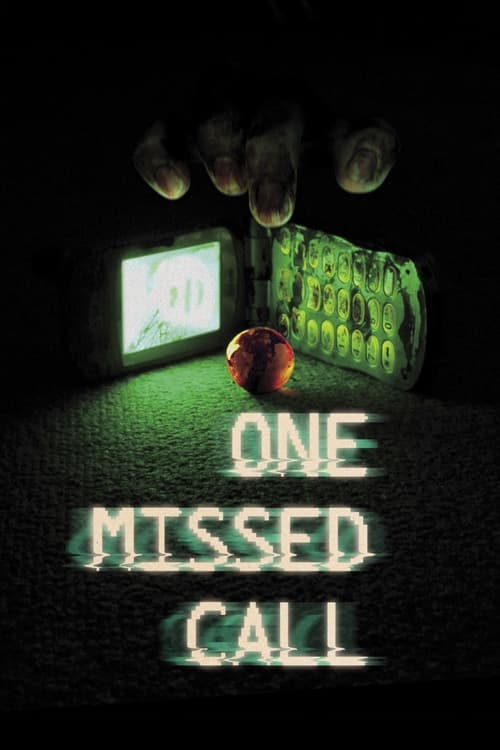
One Missed Call
One Missed Call Is About Hearing Your Own Death Arrive Before It Does
Directed by Takashi Miike
The victims get a voicemail from their future selves, timestamped to the moment they die. Miike turned a ringtone into a summons no one can decline.
The premise sounds like a gimmick and plays like a gimmick until you notice what the curse actually delivers. The phone does not ring with a threat. It rings with a recording of the victim's own last seconds, the sound of their own death, sent backward in time to the person about to die it. This is the whole terror of the film compressed into one mechanism: you are made to hear your ending, in your own voice, with the exact date and time attached, and then you must live the interval until it catches up. Miike, working inside the Ring-era formula of the cursed technology and the vengeful girl, quietly builds something colder than a ghost story. The horror is not the ghost. The horror is foreknowledge. The film asks what a human being does with the certainty of a death that is already, in some sense, finished.
Buddhist Reading: The Voicemail Is the Bardo Played in Reverse
Tibetan Buddhism holds that consciousness at the moment of death encounters a clear light, and that most beings, unprepared, flee it into rebirth driven by fear and clinging. One Missed Call runs this idea backward. The death has, in effect, already happened, and its recording is transmitted to the still-living self, who is now forced to spend days facing what she cannot escape.
Every character receives, in advance, the teaching the dharma says arrives too late: this is when you die, this is the sound of it, prepare. And every character fails the instruction exactly as the bardo teachings predict, spending the interval in panic, denial, and desperate attempts to outrun the appointment. The candy that Mimiko's spirit leaves in the victims' mouths is the tell. The dead girl feeds her victims the way a mother feeds a child, a grotesque parody of care, because unresolved attachment is what keeps her circling back into the world instead of releasing into the light. The curse is a consciousness that would not let go, teaching everyone it touches how not to let go.
Shamanic Reading: The Broken Family as the Real Haunted House
Underneath the phones is a case of soul-wound passed down a bloodline. Mimiko was a child abused by her own mother, filmed as spectacle, her suffering made into a show. The curse she spreads is the untransformed wound looking for more bodies to inhabit.
The film's most exposed sequence is the live exorcism staged on television, where a variety show turns a spirit removal into ratings. This is the same sin that created Mimiko: suffering converted into entertainment, the sacred act of clearing a spirit degraded into a broadcast. In shamanic terms the ritual fails because the intention is corrupt. You cannot cleanse a wound while selling tickets to it. The chain of dead phones is a family curse that jumps host to host precisely because no one will do the actual work of tending the original injury. The dead child keeps calling because no one ever answered her the first time.
Questions this film answers
What is the deeper meaning of One Missed Call?
The premise sounds like a gimmick and plays like a gimmick until you notice what the curse actually delivers. The phone does not ring with a threat. It rings with a recording of the victim's own last seconds, the sound of their own death, sent backward in time to the person about to die it. This is the whole terror of the film compressed into one mechanism: you are made to hear your ending, in your own voice, with the exact date and time attached, and then you must live the interval until it catches up. Miike, working inside the Ring-era formula of the cursed technology and the vengeful girl, quietly builds something colder than a ghost story. The horror is not the ghost. The horror is foreknowledge. The film asks what a human being does with the certainty of a death that is already, in some sense, finished.
What is the hidden symbolism in One Missed Call?
Tibetan Buddhism holds that consciousness at the moment of death encounters a clear light, and that most beings, unprepared, flee it into rebirth driven by fear and clinging. One Missed Call runs this idea backward. The death has, in effect, already happened, and its recording is transmitted to the still-living self, who is now forced to spend days facing what she cannot escape.
What esoteric traditions appear in One Missed Call?
One Missed Call draws from Buddhism, Shamanism traditions. The victims get a voicemail from their future selves, timestamped to the moment they die. Miike turned a ringtone into a summons no one can decline.
Is One Missed Call worth watching for spiritual seekers?
One Missed Call (2003) directed by Takashi Miike is essential viewing for those interested in Buddhism, Shamanism. One Missed Call Is About Hearing Your Own Death Arrive Before It Does. It rewards multiple viewings and contemplation.
Rewatch With New Eyes
Now that you've seen the architecture, experience it again. The same film becomes a different film when you know what to watch for.
This time, watch for:
- See impermanence: what clings, what releases, what remains
- Follow the descent: what dies, what guides, what returns transformed
Links may include affiliate partnerships that support Media Revelations
The Descent Continues
Where this thread leads next.
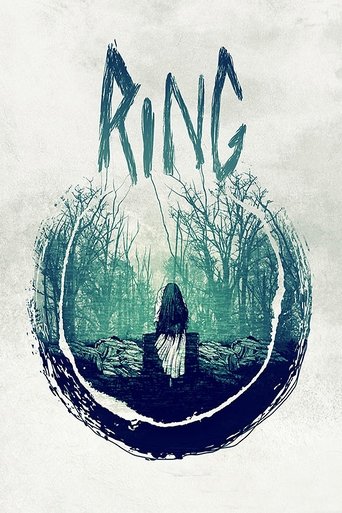
Ring 1998
Sadako Died in the Dark and Ring Is Her Transmission Forcing the Light
Read the revelation →