The Raid
The Raid Is a Vertical Ascent Through Hell, One Floor of Suffering at a Time
Directed by Gareth Evans
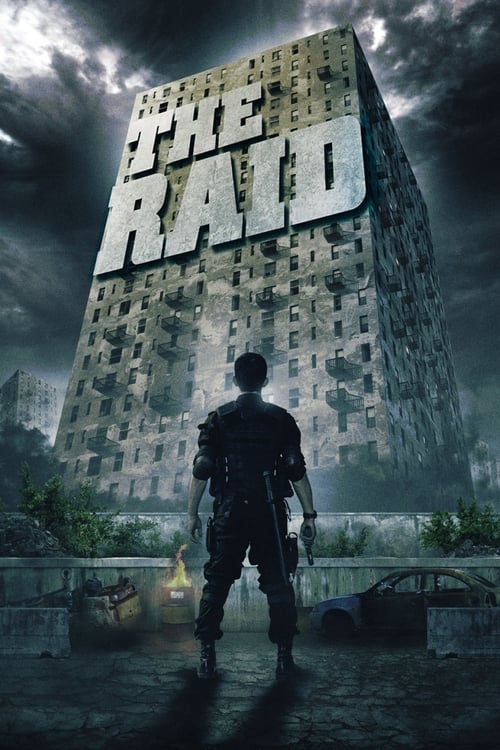
Twenty men enter a fifteen-story tenement to arrest the drug lord at the top. The building is the diagram of the path itself, drawn in concrete and stairwells.
Gareth Evans built the purest action film of its decade, and its purity is exactly the point. There is one direction: up. Rama, a rookie SWAT officer with a pregnant wife at home, must climb through a tower where every floor is controlled by killers who serve the crime lord Tama on the fifteenth. The premise is a straight vertical line. That line is older than cinema. It is the axis every contemplative tradition draws through the human body and the cosmos alike: the ascent from the gross to the subtle, from the ground floor of appetite to the crown where the enemy sits enthroned. The Raid is not about a raid. It is about what it costs to climb, and who you have to become on each landing to survive the next.
Buddhist Reading: Each Floor Is a Realm, and Rama Must Pass Through All of Them
Buddhist cosmology maps existence as vertical: hell realms below, the desire realms of the middle, the refined heavens above, and the tower Rama climbs reproduces this without knowing it. The lower floors are pure carnage, the hell realm where beings tear each other apart in a windowless dark. The film literalizes this in the corridor sequence where Rama, out of bullets, holds a knife and a broken doorframe against a flood of attackers. This is the realm of unceasing violence, and passage through it is survival by attrition, not skill.
Higher up the fights change character. Against Mad Dog, Tama's enforcer, the combat becomes almost devotional, two masters absorbed in a rhythm that has stopped being about winning. Mad Dog turns down a gun to fight with his hands. He wants the encounter itself, the total presence that only mortal stakes produce. That is the desire realm at its most refined: the craving for experience so intense it prefers death to dilution. Tama waits at the summit, and reaching him grants no peace, because the summit is only the summit, never the release the climb seemed to promise. The Buddhist point lands hard here. Climbing the realms is not the same as leaving them.
Initiatory Reading: The Brother at the Top Is the Test That Cannot Be Trained For
Rama discovers his estranged brother Andi is Tama's right hand, embedded in the tower he is storming. The building stops being a mission and becomes an initiation, because the guardian at the inner threshold wears the initiate's own face. Every real initiation withholds this until the final chamber: the thing you must confront is not the monster but the part of yourself you disowned and left behind. Rama came to arrest a stranger. He finds his blood defending the enemy, and the climb reveals its true purpose only at the top, which is where initiation always hides its meaning.
Questions this film answers
What is the deeper meaning of The Raid?
Gareth Evans built the purest action film of its decade, and its purity is exactly the point. There is one direction: up. Rama, a rookie SWAT officer with a pregnant wife at home, must climb through a tower where every floor is controlled by killers who serve the crime lord Tama on the fifteenth. The premise is a straight vertical line. That line is older than cinema. It is the axis every contemplative tradition draws through the human body and the cosmos alike: the ascent from the gross to the subtle, from the ground floor of appetite to the crown where the enemy sits enthroned. The Raid is not about a raid. It is about what it costs to climb, and who you have to become on each landing to survive the next.
What is the hidden symbolism in The Raid?
Buddhist cosmology maps existence as vertical: hell realms below, the desire realms of the middle, the refined heavens above, and the tower Rama climbs reproduces this without knowing it. The lower floors are pure carnage, the hell realm where beings tear each other apart in a windowless dark. The film literalizes this in the corridor sequence where Rama, out of bullets, holds a knife and a broken doorframe against a flood of attackers. This is the realm of unceasing violence, and passage through it is survival by attrition, not skill.
What esoteric traditions appear in The Raid?
The Raid draws from Buddhism, Initiation traditions. Twenty men enter a fifteen-story tenement to arrest the drug lord at the top. The building is the diagram of the path itself, drawn in concrete and stairwells.
Is The Raid worth watching for spiritual seekers?
The Raid (2012) directed by Gareth Evans is essential viewing for those interested in Buddhism, Initiation. The Raid Is a Vertical Ascent Through Hell, One Floor of Suffering at a Time. It rewards multiple viewings and contemplation.
Rewatch With New Eyes
Now that you've seen the architecture, experience it again. The same film becomes a different film when you know what to watch for.
This time, watch for:
- See impermanence: what clings, what releases, what remains
- Mark the threshold: the old self dies, the ordeal transforms, the new self returns
Links may include affiliate partnerships that support Media Revelations
The Descent Continues
Where this thread leads next.
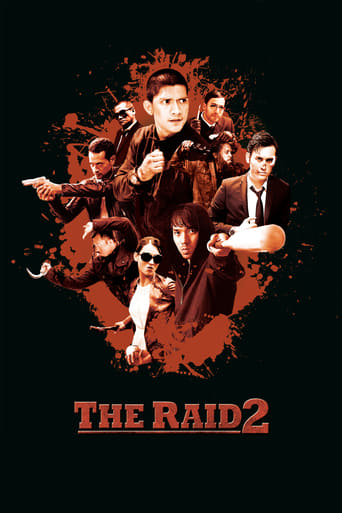
The Raid 2 2014
The Raid 2 Is a Man Losing His Soul One Undercover Year at a Time
Read the revelation →