Fricke made a 100-minute meditation on the cycle of birth, consumption, decay, and rebirth that requires no narration because narration would impose the framework cinema can transmit by image alone. The film is not a documentary. It is a sustained darshan. Sand mandalas being made and destroyed. Factories disgorging chickens by the thousand. Sex dolls being assembled like devotional objects. The wheel turning at every scale at once.
Samsara is the most accurate cinematic depiction of Buddhist cosmology ever made by Westerners, and it works because Fricke has stopped trying to explain anything. The film is one hundred minutes of images, organized so that the same operations — formation, consumption, destruction, renewal — appear in every register of human and non-human life: monasteries, slaughterhouses, deserts, prisons, factories, churches, sex shops, war zones, weddings, funerals. The thesis is in the editing. The wheel is the same wheel everywhere it turns. The viewer who arrives expecting travel porn is given, instead, a darshan — a sustained viewing — of the wheel itself. Many cannot hold it. They look away. Those who can hold it leave the theater changed. The film is what cinema becomes when it stops competing with narrative and accepts its actual capacity: to put the viewer in the presence of the thing.
The Surface
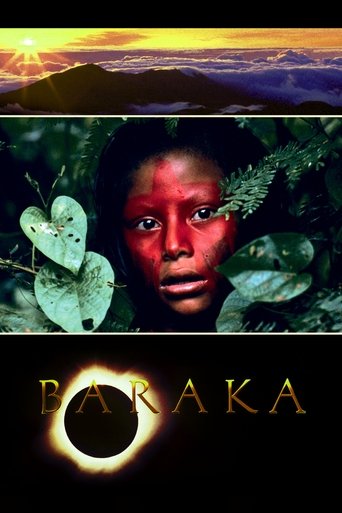
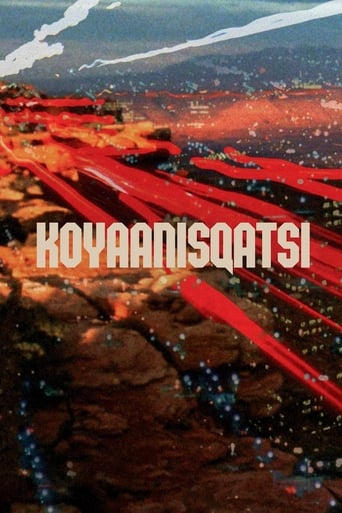
Filmed in twenty-five countries over five years on 70mm film, Samsara is the third in Fricke's non-narrative trilogy after Koyaanisqatsi (which he photographed) and Baraka (which he directed). There is no dialogue. There is no narration. There are no subtitles. The score by Michael Stearns, Lisa Gerrard, and Marcello De Francisci shapes the experience without dictating it. The viewer is given image after image, organized in sequences whose logic emerges only on reflection.
On surface, the film is breathtakingly beautiful. Reviewers praised the cinematography. Audiences who came for nature documentary received that. The film is also confronting in ways those reviewers tended to underemphasize. Footage of mechanized chicken slaughter sits alongside footage of Tibetan monks. A weapons assembly line is intercut with a Filipino prisoner choreography. The juxtapositions are not commentary. They are diagnosis.
Fricke is using the resources of cinema to do what only cinema can do at scale: hold dissimilar images in adjacency long enough that their structural similarity surfaces. The viewer who lets the film operate on them — without resisting, without narrating internally — receives the teaching the film is built to transmit.
The Wheel as Form
The Buddhist wheel of becoming — the Bhavachakra — depicts the six realms of existence, the twelve links of dependent origination, and the central drivers of greed, hatred, and ignorance. The wheel is held by a wrathful figure who represents impermanence. The wheel never stops. The realms cycle. Beings move between them according to karma. The whole structure is samsara.
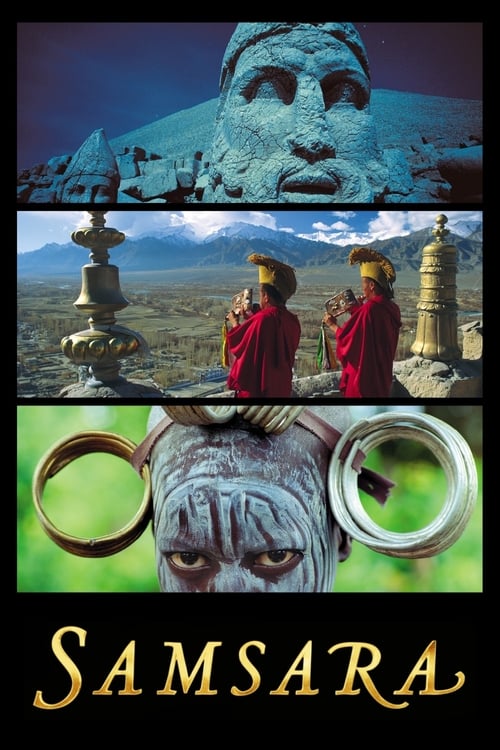
Fricke filmed the wheel. He did not film it as diagram. He filmed it as observed reality. The Tibetan monks at Ladakh's Gaden Choling open and close the film. They are making a sand mandala. The mandala takes days to construct. Each grain is placed with care. When the mandala is complete, the monks sweep it into a jar and pour the sand into a river. Beauty made, beauty destroyed, beauty returned to the flow. The film's opening and closing images establish the operation the rest of the film documents at every scale.
Between these brackets, Fricke shows the same operation in registers where the practitioners do not know they are practitioners. The pig is born, grown, slaughtered, processed, sold. The shopper buys. The package is opened. The food is eaten. The body that ate it grows, ages, dies, decays. The crops the body fertilized grow into the food of the next round. The film is composed of these loops nested inside each other. Almost no living being depicted understands the loop it is in. The viewer, watching the loops simultaneously, briefly does.
The wheel is value-neutral in Buddhist teaching. It is not bad that the wheel turns. The teaching is that liberation is possible not through stopping the wheel but through ceasing to identify with the position the wheel has assigned. The film does not preach this. It shows the wheel. The teaching is what arises in the viewer who watches it long enough.
The Industrial Sequences
The film's most discussed passage is the assembly line montage in the second hour. Chickens are sucked through tubes. Pigs are processed at unimaginable speed. Workers in identical uniforms move at the tempo set by the line. Cosmetic surgery is performed in adjacency to plastic doll manufacture. Sex dolls are sculpted with reverence indistinguishable from religious iconography.
Fricke is not making an animal-rights argument. He is making a structural argument. The same care, the same precision, the same rhythm appears in the meditation halls and in the slaughterhouses. The hand that places the sand grain on the mandala and the hand that wires the bomb at the weapons plant are doing the same operation at different points on the wheel. Both are absorbed. Both are skilled. Both are unaware of the larger pattern.
This is the teaching that makes Western audiences uncomfortable: that the contemplative and the destructive often share form. The discipline that produces the monastery also produces the factory. The attention that produces the icon also produces the sex doll. The wheel does not care which use it is put to. The wheel turns because attention turns it. The film refuses to moralize. It documents.
The viewer who arrives looking for villains will struggle. The film does not name them. The viewer who arrives looking for heroes will also struggle. The film does not nominate any. What it offers is the structure underneath both categories, indifferent to which side the viewer prefers.
The Faces
Fricke's most quietly radical decision is the gallery of faces. Throughout the film, individuals are shown in static portrait — looking directly into the camera, holding the gaze for the length of a breath, sometimes longer. Tribal elders. Geisha. Soldiers. Mourners. A trans woman in Bangkok. A nun in Italy. A child laborer in Africa. The eyes meet the viewer's eyes.
This is the most ancient cinematic operation reduced to its essence. The face holds the soul. The soul appears in the gaze. The viewer who consents to look is met by the gaze in return. There is no story attached. There is no name. There is only the encounter. The Sufi tradition calls this nazar — the look, the seeing-and-being-seen that connects two consciousnesses across the apparent distance.
Fricke understood that the film would have been merely scenic without these gazes. The faces are the throughline. The viewer is being introduced, individually, to the beings whose lives the film's larger structures contain. This is the only way to keep the wheel from becoming abstraction. The wheel turns through specific beings. The specific beings have faces. The faces are not the same. The wheel is the same. The film holds both truths simultaneously.
After the faces, the industrial footage hits differently. The chickens were specific chickens. The workers were specific workers. The viewer cannot retreat into category. The wheel turns through Karim and through Yoko and through the unnamed elder whose tattoos took fifty years to complete. The structural diagnosis remains. The individuals do not vanish into it. This is the discipline of a documentarian who has been doing the work long enough to know that depersonalization is the failure mode.
The Transmission
Samsara is not a film one watches once and remembers as content. It is a film one undergoes and carries in the nervous system afterward. The images recur. The chicken-suction tube recurs. The geisha's painted face recurs. The Filipino inmates dancing in synchrony recur. The sand mandala being swept into the river recurs. These are not images one chose to retain. The film installed them.
What it transmits is the operational presence of samsara as actual condition. Most Western viewers know the word as concept. The film makes the concept perceptual. After Samsara, the supermarket aisle reads differently. The traffic on the freeway reads differently. The own body, eating breakfast, reads differently. The wheel is everywhere the wheel was always turning. The film made the eyes capable of seeing it briefly.
Fricke is operating in the same tradition as the great non-verbal teachers — the koan, the contemplative icon, the temple dance. The teaching is not in language. The teaching is in the arrangement of perception. The film is what an icon looks like when it can move and the icon-maker has 70mm film. Watch it without your phone. Watch it on the largest screen available. Let the images do what they were assembled to do. The teaching will arrive without anyone having said anything.
Questions this film answers
What is the deeper meaning of Samsara?
Samsara is the most accurate cinematic depiction of Buddhist cosmology ever made by Westerners, and it works because Fricke has stopped trying to explain anything. The film is one hundred minutes of images, organized so that the same operations — formation, consumption, destruction, renewal — appear in every register of human and non-human life: monasteries, slaughterhouses, deserts, prisons, factories, churches, sex shops, war zones, weddings, funerals. The thesis is in the editing. The wheel is the same wheel everywhere it turns. The viewer who arrives expecting travel porn is given, instead, a darshan — a sustained viewing — of the wheel itself. Many cannot hold it. They look away. Those who can hold it leave the theater changed. The film is what cinema becomes when it stops competing with narrative and accepts its actual capacity: to put the viewer in the presence of the thing.
What is the hidden symbolism in Samsara?
Filmed in twenty-five countries over five years on 70mm film, Samsara is the third in Fricke's non-narrative trilogy after Koyaanisqatsi (which he photographed) and Baraka (which he directed). There is no dialogue. There is no narration. There are no subtitles. The score by Michael Stearns, Lisa Gerrard, and Marcello De Francisci shapes the experience without dictating it. The viewer is given image after image, organized in sequences whose logic emerges only on reflection.
What esoteric traditions appear in Samsara?
Samsara draws from Buddhism, Sufism traditions. Fricke made a 100-minute meditation on the cycle of birth, consumption, decay, and rebirth that requires no narration because narration would impose the framework cinema can transmit by image alone. The film is not a documentary. It is a sustained darshan. Sand mandalas being made and destroyed. Factories disgorging chickens by the thousand. Sex dolls being assembled like devotional objects. The wheel turning at every scale at once.
What does Samsara teach about the wheel as form?
Beauty made, beauty destroyed, beauty returned to the flow. Almost no living being depicted understands the loop it is in. The Buddhist wheel of becoming — the Bhavachakra — depicts the six realms of existence, the twelve links of dependent origination, and the central drivers of greed, hatred, and ignorance. The wheel is held by a wrathful figure who represents impermanence. The wheel never stops. The realms cycle. Beings move between them according to karma. The whole structure is samsara.
What does Samsara teach about the faces?
The wheel turns through specific beings. The specific beings have faces. The wheel is the same. The film holds both truths simultaneously. Fricke's most quietly radical decision is the gallery of faces. Throughout the film, individuals are shown in static portrait — looking directly into the camera, holding the gaze for the length of a breath, sometimes longer. Tribal elders. Geisha. Soldiers. Mourners. A trans woman in Bangkok. A nun in Italy. A child laborer in Africa. The eyes meet the viewer's eyes.
Is Samsara worth watching for spiritual seekers?
Samsara (2011) directed by Ron Fricke is essential viewing for those interested in Buddhism, Sufism, Non-narrative. The Wheel Filmed at 70mm. It rewards multiple viewings and contemplation.
Rewatch With New Eyes
Now that you've seen the architecture, experience it again. The same film becomes a different film when you know what to watch for.
This time, watch for:
- See impermanence: what clings, what releases, what remains
- Feel the love that transforms: what the heart sees that the mind cannot
Links may include affiliate partnerships that support Media Revelations