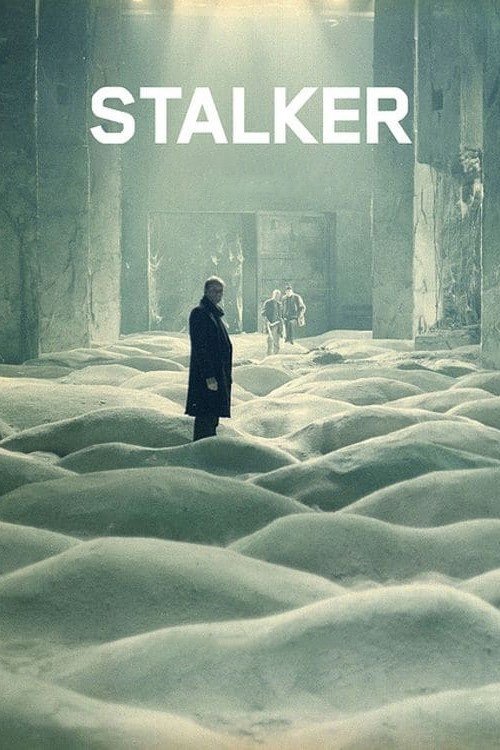
The Zone reveals what you actually desire. Tarkovsky built a film where attention itself is the practice. The Room is the heart's mirror. Few can enter because they fear what they'd find.
Stalker is not science fiction. It is a pilgrimage film — a record of three men approaching the center of a mystery that reveals who they actually are. The Zone is the living threshold between worlds. The Room at its center grants your deepest wish — not what you believe you desire, but what you truly want. This is why almost no one enters. The Zone is a mirror. Tarkovsky did not make films to be watched. He made films to be undergone. Stalker is his most complete teaching.
The Surface
In an unnamed country, a meteor strike (or perhaps something else) created the Zone — an area where the normal laws of nature are suspended. The government sealed it off. Inside the Zone, a room exists that is said to grant your innermost desire. A man called the Stalker guides people illegally into the Zone, past military patrols, through shifting dangers, to the threshold of the Room.
In this film, he guides two men: the Writer, cynical and alcoholic, seeking inspiration; and the Professor, a scientist who claims to study the Zone's properties. The journey takes the entire film. When they reach the Room, no one enters.
Stalker is two hours and forty minutes long. Much of it consists of people walking slowly through landscapes of ruins, water, and vegetation. There is almost no action as conventional cinema understands it. Critics called it boring. Tarkovsky called cinema a 'sculpting in time.' He was not making entertainment. He was making something closer to prayer.
The Zone as Threshold
The Zone is the liminal space between ordinary reality and something else. It does not operate by consistent rules. Paths change. Dangers are invisible. The Stalker knows how to navigate not through mapping but through attention — throwing metal nuts tied to bandages ahead of himself, sensing where it is safe to step.
This is precise initiatory teaching. The threshold cannot be crossed through cleverness or force. It requires submission to laws you do not understand. The Stalker survives because he approaches with reverence, not because he knows the Zone. No one knows the Zone. The Zone knows you.
Tarkovsky shot the Zone in sepia initially, then had to reshoot the entire film when the footage was ruined. The final version shows the outside world in sepia and the Zone in color. This reversal is significant: the 'real' world is drained, monochrome, while the forbidden Zone pulses with life. Which is the dream? Which is the waking?
The Zone is also dangerous. Previous Stalkers have died. Something called the 'meat grinder' killed expeditions. These dangers are never shown, only described. The threat is present without being visualized — like the dangers of genuine spiritual territory, which cannot be photographed but are no less real.
The Stalker as Guide
The Stalker is wretched by worldly standards. He is poor. His wife despairs. He has been in prison. He returns to the Zone again and again, leading others, though he never enters the Room himself. His devotion to the Zone is absolute and apparently unrewarded.
This is the portrait of the spiritual guide as understood by tradition: one who leads others to the threshold but cannot cross for them. The Stalker knows that the Room reveals true desire, and he fears what his own true desire might be. He guides because guiding is his purpose, not because he receives.
The Writer and the Professor treat the Stalker with contempt. They consider themselves his intellectual superiors. This is accurate — they are smarter, more articulate, more successful. But in the Zone, intelligence is not what navigates. The Stalker's simplicity, his faith, his submission to the Zone's authority — these are what allow passage.
Tarkovsky said the Stalker represents 'a person who stands for the truth, and is prepared to suffer for it.' He is Christ-like not in power but in powerlessness — serving a mystery that destroys him, leading others to what he cannot have.
The Writer and the Professor
The Writer is cynicism personified. He has lost faith in art, in meaning, in the possibility that anything matters. He seeks the Room hoping it will restore his inspiration — but he speaks constantly of meaninglessness, mocking the Stalker's faith, undercutting every moment of reverence.
The Professor appears rational, scientific. He carries measuring equipment and speaks of research. But as they approach the Room, his true purpose emerges: he has brought a bomb. He intends to destroy the Room to prevent it from being used by the wrong people. This 'rational' concern masks something else: the fear that desire itself is dangerous.
These two represent the poles of modern consciousness: the cynical artist who no longer believes in transcendence and the scientist who would destroy what he cannot control. Together they approach the center. Neither can enter.
The journey strips away their defenses. By the time they reach the Room, both have revealed themselves — not through action but through speech, through what they cannot stop saying. The Zone has already done its work. The Room is almost unnecessary. They have already seen what they are.
The Threshold of the Room
They reach the Room. They sit outside it. They do not enter.
The Stalker tells them of Porcupine, a previous Stalker who entered the Room seeking to resurrect his brother. He came out, became wealthy, then hanged himself. The Room gave him what he truly wanted — not his brother's return but money. He could not bear the revelation of his own heart.
This is why the Room is terrifying. Not because it might fail to grant wishes, but because it reveals what the wish actually is. You may believe you want enlightenment, redemption, creative renewal. The Room shows you what you really want — and it may be petty, selfish, unforgivable.
The Writer decides not to enter because he fears discovering he has no soul. The Professor dismantles his bomb — but he does not enter either. The Stalker never intended to enter. Three men have crossed the Zone to reach the center, and none of them can take the final step. The threshold was the journey. The Room was always for someone else.
The Return
They return through the Zone in silence. The Stalker weeps. His wife meets him and delivers a monologue directly to the camera — the only direct address in the film. She describes loving him despite his failures, despite his obsession, despite everything.
The Stalker's daughter is revealed to have telekinetic powers — she moves glasses across a table with her mind. This is never explained. Is she a product of the Zone? A sign that the Zone's miracles are real? Or a metaphor for something else entirely?
Tarkovsky refused to explain. He said the film was about faith, about the possibility of faith in a world that has lost it. The ending offers no resolution. The pilgrimage has occurred. The center was not entered. Life continues, neither redeemed nor destroyed.
This is honest. Most approaches to the sacred do not end in transformation. Most journeys to the center end at the threshold. The courage required to enter — to truly see what you desire — is rarer than the courage to make the journey.
The Transmission
Stalker cannot be watched casually. It requires the same attention the Zone requires — slow, patient, receptive. Those who submit to its rhythm often report altered states: time dilation, emotional opening, a sense that something is being transmitted beyond the images.
This is because Tarkovsky understood cinema as a spiritual technology. 'The aim of art is to prepare a person for death,' he said. His films are not representations of transcendence. They are attempts to produce it — to create the conditions under which consciousness might shift.
Stalker was made at enormous personal cost. Tarkovsky and many of his crew developed health problems from shooting near a chemical plant. He would die of cancer seven years later. He poured himself into the work completely, and the work carries that sacrifice.
The film asks you to make a pilgrimage to the Room of your own heart. It cannot take you there — only you can enter. But it can show you the journey, the dangers, the threshold. It can show you others who could not enter. And it can ask you the question that matters: If the Room would grant your deepest wish, what would it reveal that you actually want?
Questions this film answers
What is the deeper meaning of Stalker?
Stalker is not science fiction. It is a pilgrimage film — a record of three men approaching the center of a mystery that reveals who they actually are. The Zone is the living threshold between worlds. The Room at its center grants your deepest wish — not what you believe you desire, but what you truly want. This is why almost no one enters. The Zone is a mirror. Tarkovsky did not make films to be watched. He made films to be undergone. Stalker is his most complete teaching.
What is the hidden symbolism in Stalker?
In an unnamed country, a meteor strike (or perhaps something else) created the Zone — an area where the normal laws of nature are suspended. The government sealed it off. Inside the Zone, a room exists that is said to grant your innermost desire. A man called the Stalker guides people illegally into the Zone, past military patrols, through shifting dangers, to the threshold of the Room.
What esoteric traditions appear in Stalker?
Stalker draws from Initiation traditions. The Zone reveals what you actually desire. Tarkovsky built a film where attention itself is the practice. The Room is the heart's mirror. Few can enter because they fear what they'd find.
What does Stalker teach about the zone as threshold?
The Zone cannot be crossed through cleverness or force. It requires submission to laws you do not understand. The Zone is the liminal space between ordinary reality and something else. It does not operate by consistent rules. Paths change. Dangers are invisible. The Stalker knows how to navigate not through mapping but through attention — throwing metal nuts tied to bandages ahead of himself, sensing where it is safe to step.
What does Stalker teach about the stalker as guide?
The Stalker guides because guiding is his purpose, not because he receives. The Stalker is wretched by worldly standards. He is poor. His wife despairs. He has been in prison. He returns to the Zone again and again, leading others, though he never enters the Room himself. His devotion to the Zone is absolute and apparently unrewarded.
What does Stalker teach about the threshold of the room?
The Room reveals what the wish actually is. You may believe you want enlightenment. The Room shows you what you really want. They reach the Room. They sit outside it. They do not enter.
Is Stalker worth watching for spiritual seekers?
Stalker (1979) directed by Andrei Tarkovsky is essential viewing for those interested in Initiation, Threshold, Tarkovsky. The Zone as Living Threshold. It rewards multiple viewings and contemplation.
Rewatch With New Eyes
Now that you've seen the architecture, experience it again. The same film becomes a different film when you know what to watch for.
This time, watch for:
- Mark the threshold: the old self dies, the ordeal transforms, the new self returns
Links may include affiliate partnerships that support Media Revelations