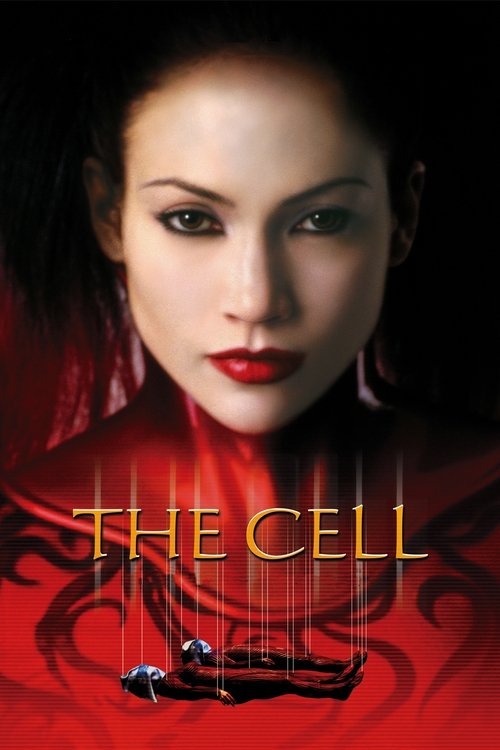
The Cell
Catherine Goes to Retrieve a Soul. She Finds Two.
Directed by Tarsem Singh
The Cell is not a thriller about a psychotherapist solving a murder. It is a shamanic journey through the architecture of a broken psyche, and the only exit costs more than Catherine expected.
Every shamanic tradition on earth recognized the same crisis: a person whose soul has shattered. Trauma fractures the psyche into fragments, and those fragments do not disappear. They go somewhere. The shaman's work is to follow them there, negotiate with whatever has taken up residence in the wound, and bring the lost piece home. Tarsem Singh built a film around this practice in 2000, dressed it in high-fashion nightmare imagery, and called it a psychological thriller. The FBI case is the wrapper. The soul retrieval is the content.
The Shaman Enters Through the Drum
When Catherine Deane (Jennifer Lopez) first enters Carl Stargher's comatose mind, she does not enter as a therapist. She enters in white robes, on a windswept plain, where a white horse stands at the edge of a desert. The white horse is not visual poetry. In shamanic cosmology, the horse is the classic spirit-vehicle, the mount that carries the practitioner between worlds. Carlos Castaneda's tradition calls it the nagual's bridge. Mongolian shamans drum specifically to summon the horse.
Catherine's costume transforms as she descends deeper into Stargher's psyche. The robes become darker, more armored, more elaborate. This is not production design flourish. In physical shamanic journeys, the practitioner dresses for protection, each layer of ceremonial clothing marking passage into a more dangerous realm. The further she goes, the less her ordinary-world identity protects her.
The child-Carl scene earns the film's depth. Deep in the killer's psyche, she finds a small boy in an orchard, alone, terrified, already dissociated from what his father has been doing to him. This is the soul fragment. The monster upstairs is what formed over the wound when the person left. Shamans in every tradition report finding the same thing at the bottom of the worst cases: a child who stopped moving the moment the trauma landed. Catherine has come for him.
The Jungian King Is the Shadow's Last Defense
The tyrant-figure that rules Stargher's inner world wears a mask and carries absolute authority over everything in the psyche's domain. Carl has split his unbearable experience into compartments: the suffering child, the dissociated adult, and this third figure, an omnipotent king who controls through ritual and dominance, who never bleeds, who stages elaborate ceremonies of power in the place where helplessness once lived.
Jung called this the compensatory inflation. When the ego cannot integrate a wound, it builds a grandiose persona over the wound to prove nothing is wrong. The king-Stargher is the psyche's security architecture, a structure built to keep the child buried and the pain managed. He is terrifying precisely because he was necessary.
The moment Catherine puts on the king's robes herself is the film's sharpest psychological beat. She does not defeat the shadow by attacking it. She inhabits it, demonstrates that she can hold the power the king was built to contain, and in doing so neutralizes the need for the defense. This is Jungian integration made literal and visual: the shadow's contents absorbed, the inflation collapsed, the buried child finally visible beneath.
Questions this film answers
What is the deeper meaning of The Cell?
Every shamanic tradition on earth recognized the same crisis: a person whose soul has shattered. Trauma fractures the psyche into fragments, and those fragments do not disappear. They go somewhere. The shaman's work is to follow them there, negotiate with whatever has taken up residence in the wound, and bring the lost piece home. Tarsem Singh built a film around this practice in 2000, dressed it in high-fashion nightmare imagery, and called it a psychological thriller. The FBI case is the wrapper. The soul retrieval is the content.
What is the hidden symbolism in The Cell?
When Catherine Deane (Jennifer Lopez) first enters Carl Stargher's comatose mind, she does not enter as a therapist. She enters in white robes, on a windswept plain, where a white horse stands at the edge of a desert. The white horse is not visual poetry. In shamanic cosmology, the horse is the classic spirit-vehicle, the mount that carries the practitioner between worlds. Carlos Castaneda's tradition calls it the nagual's bridge. Mongolian shamans drum specifically to summon the horse.
What esoteric traditions appear in The Cell?
The Cell draws from Shamanism, Jungian traditions. The Cell is not a thriller about a psychotherapist solving a murder. It is a shamanic journey through the architecture of a broken psyche, and the only exit costs more than Catherine expected.
Is The Cell worth watching for spiritual seekers?
The Cell (2000) directed by Tarsem Singh is essential viewing for those interested in Shamanism, Jungian. Catherine Goes to Retrieve a Soul. She Finds Two.. It rewards multiple viewings and contemplation.
Rewatch With New Eyes
Now that you've seen the architecture, experience it again. The same film becomes a different film when you know what to watch for.
This time, watch for:
- Follow the descent: what dies, what guides, what returns transformed
- Meet the shadow: what is rejected, projected, and finally integrated
Links may include affiliate partnerships that support Media Revelations