Millennium Actress: Tracks
Tracks Is a Film About Chasing an Image, Made by People Chasing an Image
Directed by Shingo Amamiya
Satoshi Kon made a film about a woman who spent her life pursuing a man she barely met. This is the documentary about the crew who spent their lives pursuing the film.
Millennium Actress is about Chiyoko, who chases a key and the man who left it across every genre of Japanese cinema, only to admit at the end: "I loved chasing him." Tracks records the making of that film. It is a documentary that turns the camera on Kon's studio, on the animators bent over their desks, on the director assembling a life out of drawn frames. The nesting is the whole revelation. The film's subject is a woman who confuses the pursuit with the beloved. The documentary's subject is a room full of artists doing the identical thing, chasing a perfect image that recedes exactly as fast as they approach it, and finding that the chase itself is the life. Tracks does not explain Millennium Actress. It re-enacts it one layer up.
Buddhist Reading: The Frame You Draw Toward Is Always One Frame Ahead
Chiyoko's entire journey is a demonstration of tanha, the thirst that Buddhism names as the engine of suffering. She does not want the man. She wants the wanting. The moment of contact would end the only thing that has organized her existence, so contact is endlessly deferred across decades and film genres. Kon builds this deferral into the grammar of the animation itself: she runs, and the setting changes beneath her feet, and the object stays at the horizon.
Tracks shows you the machine that manufactures this deferral. Watch the animators drawing frame after frame of a woman running toward something she will never reach. Each drawing is one cel closer to a finished film that, once released, will no longer be theirs to make. The documentary catches the artist in the same structure as his character. The studio is a monastery of pursuit. The teaching lands hardest in the meta-frame: the crew filming the crew are also chasing, also deferring, also alive only inside the running. Kundun's Dalai Lama would recognize this room. Everyone in it is grasping, and the grasping is beautiful, and the grasping is the wound.
Alchemical Reading: The Studio as Vessel, the Frame as Materia
Animation is the most literal alchemy in cinema. A still image, inert lead, is drawn twenty-four times a second until it appears to breathe. The animator's desk is the alembic. The prima materia is a blank cel; the gold is the illusion of a living woman running across a burning castle. Tracks documents this transmutation without dressing it up, and in doing so it shows the cost the finished film hides: the transformation of dead matter into living image is paid for in the hours of the people bent over the vessel.
Millennium Actress ends with Chiyoko admitting the chase was the point. The alchemical reading of Tracks is that the studio already knew this. They confused the vessel with the beloved and called it a career. The opus was never the film. The opus was the transmutation, repeated daily, of the artists themselves.
Questions this film answers
What is the deeper meaning of Millennium Actress: Tracks?
Millennium Actress is about Chiyoko, who chases a key and the man who left it across every genre of Japanese cinema, only to admit at the end: "I loved chasing him." Tracks records the making of that film. It is a documentary that turns the camera on Kon's studio, on the animators bent over their desks, on the director assembling a life out of drawn frames. The nesting is the whole revelation. The film's subject is a woman who confuses the pursuit with the beloved. The documentary's subject is a room full of artists doing the identical thing, chasing a perfect image that recedes exactly as fast as they approach it, and finding that the chase itself is the life. Tracks does not explain Millennium Actress. It re-enacts it one layer up.
What is the hidden symbolism in Millennium Actress: Tracks?
Chiyoko's entire journey is a demonstration of tanha, the thirst that Buddhism names as the engine of suffering. She does not want the man. She wants the wanting. The moment of contact would end the only thing that has organized her existence, so contact is endlessly deferred across decades and film genres. Kon builds this deferral into the grammar of the animation itself: she runs, and the setting changes beneath her feet, and the object stays at the horizon.
What esoteric traditions appear in Millennium Actress: Tracks?
Millennium Actress: Tracks draws from Buddhism, Alchemy traditions. Satoshi Kon made a film about a woman who spent her life pursuing a man she barely met. This is the documentary about the crew who spent their lives pursuing the film.
Is Millennium Actress: Tracks worth watching for spiritual seekers?
Millennium Actress: Tracks (2001) directed by Shingo Amamiya is essential viewing for those interested in Buddhism, Alchemy. Tracks Is a Film About Chasing an Image, Made by People Chasing an Image. It rewards multiple viewings and contemplation.
Rewatch With New Eyes
Now that you've seen the architecture, experience it again. The same film becomes a different film when you know what to watch for.
This time, watch for:
- See impermanence: what clings, what releases, what remains
- Track the stages: blackening, whitening, reddening — death before rebirth
Links may include affiliate partnerships that support Media Revelations
The Descent Continues
Where this thread leads next.
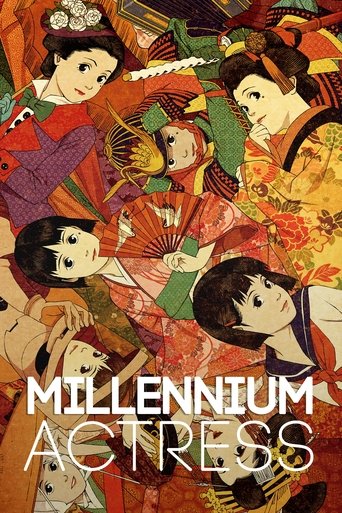
Millennium Actress 2001
Millennium Actress Reveals the Beloved Was Only the Pretext for the Chase
Read the revelation →