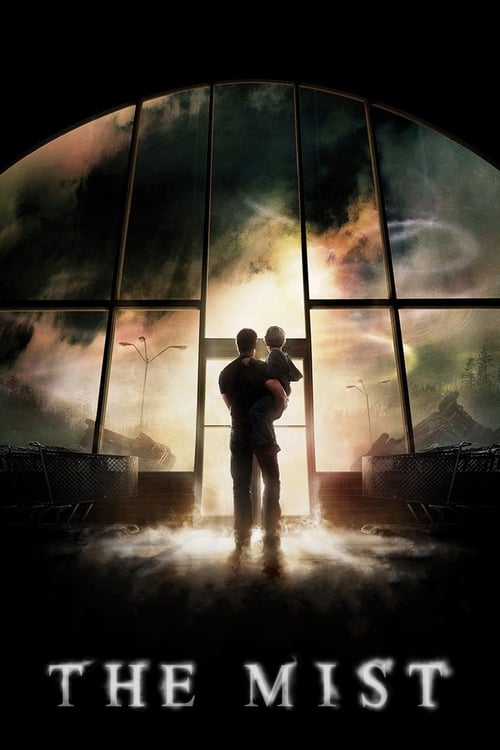
The Mist
The Mist Is About the Monster That Grows Inside the Store, Not the Ones Outside It
Directed by Frank Darabont
The creatures in the fog are the lesser problem. The greater one is standing by the pharmacy aisle, quoting scripture.
A storm passes, a strange mist rolls down off the mountain, and the people of a small Maine town find themselves trapped in a supermarket while unseen things wait in the white. David Drayton huddles with his young son and a shrinking group of the sane. The surface reading is a competent monster movie, tentacles and giant insects and a military project that tore a hole in the sky. But Frank Darabont is not primarily interested in what came through the hole. He is interested in what the hole reveals about the people it traps. The mist strips away the ordinary world and forces a question: with the familiar order gone and death pressing on the glass, what will humans build in its place? The answer the film gives is a religion, and the religion is worse than the monsters.
Gnostic Reading: The Mist Is the Veil That Was Always There
Gnostic thought names the ordinary world a kind of sleep, a fabricated screen behind which a truer and more terrible reality operates. The mist is that screen made visible. Notice that the horror does not arrive from far away. It descends from the mountain and covers a town that looked, an hour earlier, entirely normal. The film's claim is that the abyss was always adjacent, one thin membrane away, and that civilization is the habit of not looking at it.
When the veil lifts, the townspeople cannot bear the exposure. Faced with a cosmos that has no interest in them, they invent a god who does. Mrs. Carmody preaches that the mist is divine punishment and that blood must be paid to appease it, and terrified people believe her because a cruel meaning is easier to hold than no meaning at all. This is the Gnostic diagnosis precisely: humans confronted with an indifferent void will manufacture a demiurge, a god of wrath and sacrifice, because they would rather be punished by someone than abandoned by no one.
Demonological Reading: Carmody Is the Possession the Store Performs on Itself
Classical demonology understood possession as a group event as often as an individual one, a spirit that enters a community through its fear and speaks with the crowd's own voice amplified and turned cruel. Mrs. Carmody is that possession given a body. At the film's start she is a marginal figure, mocked, ignored, a religious crank in a corner. Fear promotes her. Each new death, each fresh terror, hands her more authority, until the store is a congregation and she is calling for a human sacrifice and getting volunteers.
Darabont shows the mechanism working in stages. First the crowd tolerates her. Then it listens. Then it kills for her, seizing a young soldier and feeding him to the mist at her word. The demon here needs no horns. It is the store's own panic, organized into a voice, wearing the mask of God. The creatures outside merely kill you. Carmody makes you kill each other and thank heaven for the chance. That is the older and darker power, and it grows entirely from within the walls the survivors thought would protect them.
Questions this film answers
What is the deeper meaning of The Mist?
A storm passes, a strange mist rolls down off the mountain, and the people of a small Maine town find themselves trapped in a supermarket while unseen things wait in the white. David Drayton huddles with his young son and a shrinking group of the sane. The surface reading is a competent monster movie, tentacles and giant insects and a military project that tore a hole in the sky. But Frank Darabont is not primarily interested in what came through the hole. He is interested in what the hole reveals about the people it traps. The mist strips away the ordinary world and forces a question: with the familiar order gone and death pressing on the glass, what will humans build in its place? The answer the film gives is a religion, and the religion is worse than the monsters.
What is the hidden symbolism in The Mist?
Gnostic thought names the ordinary world a kind of sleep, a fabricated screen behind which a truer and more terrible reality operates. The mist is that screen made visible. Notice that the horror does not arrive from far away. It descends from the mountain and covers a town that looked, an hour earlier, entirely normal. The film's claim is that the abyss was always adjacent, one thin membrane away, and that civilization is the habit of not looking at it.
What esoteric traditions appear in The Mist?
The Mist draws from Gnosticism, Demonology traditions. The creatures in the fog are the lesser problem. The greater one is standing by the pharmacy aisle, quoting scripture.
Is The Mist worth watching for spiritual seekers?
The Mist (2007) directed by Frank Darabont is essential viewing for those interested in Gnosticism, Demonology. The Mist Is About the Monster That Grows Inside the Store, Not the Ones Outside It. It rewards multiple viewings and contemplation.
Rewatch With New Eyes
Now that you've seen the architecture, experience it again. The same film becomes a different film when you know what to watch for.
This time, watch for:
- Watch for the false world vs. the real — who is asleep, who awakens
- Identify the hierarchy: which demon, which rank, which grimoire it comes from
Links may include affiliate partnerships that support Media Revelations
The Descent Continues
Where this thread leads next.
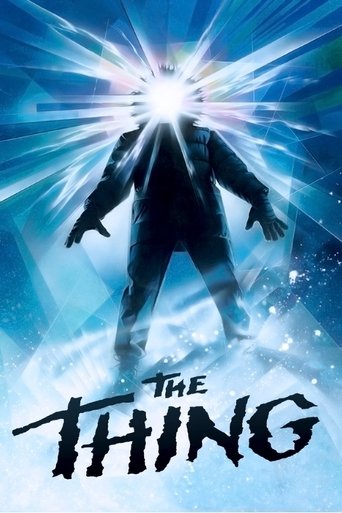
The Thing 1982
When the Enemy Wears Your Face (Perfect Paranoia as Spiritual Teaching)
Read the revelation →