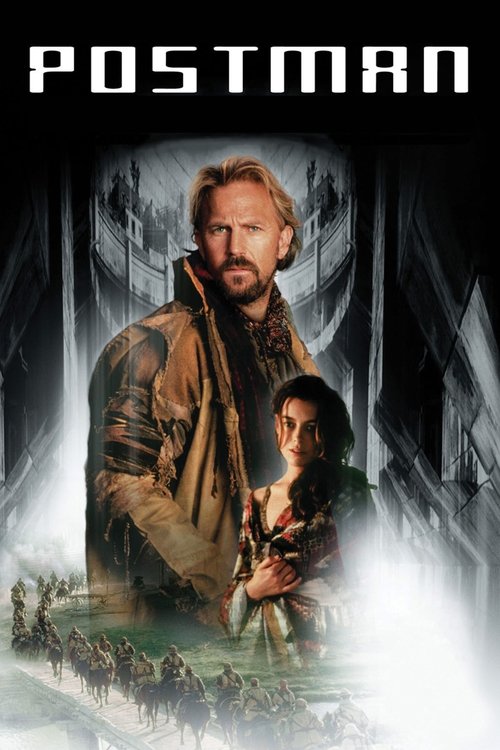
The Postman
The Postman Is About How a Lie Becomes True When Enough People Need It
Directed by Kevin Costner
A drifter puts on a dead man's coat to beg for a meal. Three hours later, that coat is a nation. The film is a study of how the sacred gets reinvented from a costume.
A nameless wanderer in a ruined America stumbles onto the skeleton of a postal carrier, takes his uniform and his bag of undelivered mail, and uses them to con a walled town into feeding him: he claims the United States has been restored, that he carries its letters. The surface reading is that this is a bloated, self-serious epic that critics buried. What the film is actually doing, underneath the length, is tracking the birth of a myth in real time. The Postman invents the story to survive. But the story does something he never intended. People believe it, and in believing it they begin to act as though it were true, and their acting makes it true. A boy runs after his horse to be sworn in as a carrier. The lie takes on a life the liar cannot control, and it demands from him a sincerity he never possessed at the start.
Jungian Reading: The Trickster Who Constellates the Self
Jung's trickster is the figure who works through deception, appetite, and accident, and who, precisely by being a fraud, sets real transformation in motion. The Postman begins as pure trickster: a survivor with no cause, wearing a role he stole, telling a story he knows is false to get bread. He has no intention of leading anyone.
But the trickster in the psyche is the disruptor that breaks a frozen situation open so that the Self, the organizing center, can emerge. The dead towns of this wasteland are frozen, ruled by Bethlehem's warlord army, each community sealed in its own fear. The false uniform is the spark that constellates something larger. As restored mail begins moving between towns, connection returns, and connection is the beginning of a collective Self. The Postman is forced to grow into the symbol he counterfeited. By the end he is no longer performing the role. He has been remade by the belief of others into the thing he pretended to be. The mask has become the face.
Initiation Reading: The Reluctant Carrier of the Sacred Thing
The classic initiate refuses the call, and the Postman refuses it repeatedly. He runs. He wants no part of a war. Twice he tries to abandon the carriers and the meaning that has gathered around his invented office. This refusal is not a flaw in the story. It is the shape of every real initiation, in which the one chosen resists the burden because he knows, correctly, that it will cost him everything easy about his life.
The ordeal is his capture and near-death under Bethlehem, and his return from it changes the terms. He can no longer treat the mail as a con because young carriers are dying to move it. The sacred object here is absurdly ordinary, a bundle of letters, and that is the point of the film's better instincts: the sacred is whatever a community agrees to carry across the dark for one another. The initiate completes the passage when he stops running and accepts that he must be, in earnest, the vessel he first picked up as a joke.
Questions this film answers
What is the deeper meaning of The Postman?
A nameless wanderer in a ruined America stumbles onto the skeleton of a postal carrier, takes his uniform and his bag of undelivered mail, and uses them to con a walled town into feeding him: he claims the United States has been restored, that he carries its letters. The surface reading is that this is a bloated, self-serious epic that critics buried. What the film is actually doing, underneath the length, is tracking the birth of a myth in real time. The Postman invents the story to survive. But the story does something he never intended. People believe it, and in believing it they begin to act as though it were true, and their acting makes it true. A boy runs after his horse to be sworn in as a carrier. The lie takes on a life the liar cannot control, and it demands from him a sincerity he never possessed at the start.
What is the hidden symbolism in The Postman?
Jung's trickster is the figure who works through deception, appetite, and accident, and who, precisely by being a fraud, sets real transformation in motion. The Postman begins as pure trickster: a survivor with no cause, wearing a role he stole, telling a story he knows is false to get bread. He has no intention of leading anyone.
What esoteric traditions appear in The Postman?
The Postman draws from Jungian, Initiation traditions. A drifter puts on a dead man's coat to beg for a meal. Three hours later, that coat is a nation. The film is a study of how the sacred gets reinvented from a costume.
Is The Postman worth watching for spiritual seekers?
The Postman (1997) directed by Kevin Costner is essential viewing for those interested in Jungian, Initiation. The Postman Is About How a Lie Becomes True When Enough People Need It. It rewards multiple viewings and contemplation.
Rewatch With New Eyes
Now that you've seen the architecture, experience it again. The same film becomes a different film when you know what to watch for.
This time, watch for:
- Meet the shadow: what is rejected, projected, and finally integrated
- Mark the threshold: the old self dies, the ordeal transforms, the new self returns
Links may include affiliate partnerships that support Media Revelations
The Descent Continues
Where this thread leads next.
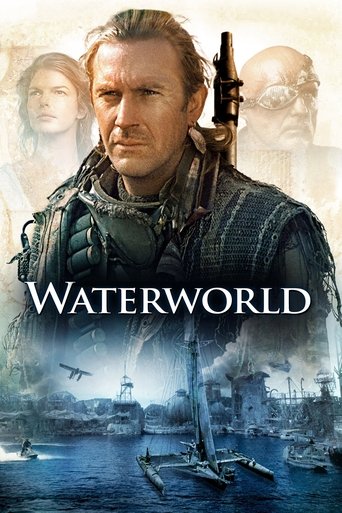
Waterworld 1995
Waterworld Hides an Alchemical Truth: the Mutant Who Belongs to the Water Is the Only One Who Can Find Land
Read the revelation →