127 Hours
127 Hours Is an Initiation Rite Where the Canyon Demands the Hand Before It Grants the Life
Directed by Danny Boyle
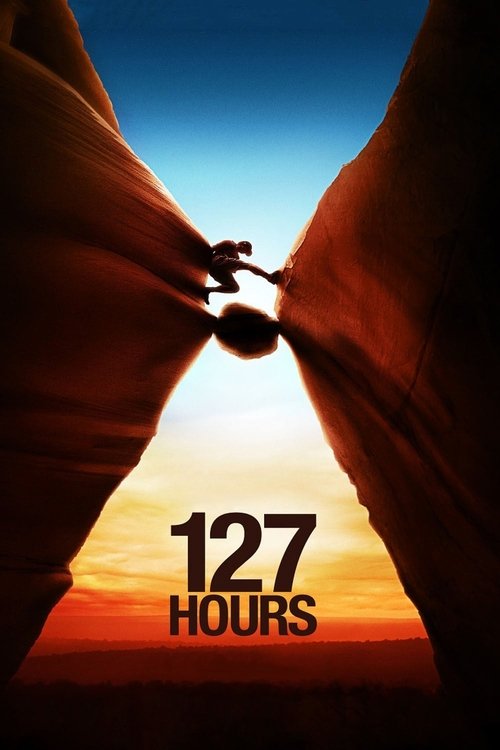
A young man tells no one where he is going, hikes into a slot canyon alone, and is pinned by a boulder for five days. To live, he must sever his own arm. Danny Boyle films it as ecstasy, not horror.
The true story of Aron Ralston is usually told as survival, a triumph of the will over a freak accident. Boyle's film knows the accident was not freak at all. From the opening, Ralston moves through the world as a man who needs no one: he leaves no note, ignores calls, races two hikers through the desert and vanishes from them with a grin. He has built a life on the belief that he is self-sufficient, sealed, complete. The canyon exists to correct that belief. When the boulder pins his hand, the film's real event begins, and it is not a survival story. It is an initiation that has caught its candidate. The rock does not want his life. It wants the part of him that thought it never needed anyone, and it will not release him until he pays that part in flesh.
Initiatory Reading: The Threshold That Takes a Limb as Its Toll
Every genuine initiation follows one arc: the candidate is seized, held in an ordeal outside ordinary time, stripped, and returned transformed. Ralston's five days are that arc filmed with brutal literalness. He is caught between rock walls, in a slot the width of a grave, in a suspended time the film marks by the crawling shaft of sunlight that reaches him for only fifteen minutes a day. Everything he brought fails him in sequence: the multitool, the water, the camcorder confessions. He is being reduced to nothing, which is exactly what a threshold does before it lets you cross.
The hallucination is the turning point. Delirious, he sees a child, and understands it as the son he will never have if he dies in this crack. This is the initiatory vision, the glimpse of the life waiting on the far side of the ordeal. It gives him what the previous four days could not: the will to pay the toll. When he breaks the bone against the boulder and cuts through his own arm, the film does not flinch, and Boyle scores it not as agony but as birth. The severed hand is left in the canyon as the offering. You do not pass this threshold whole. You leave a piece of yourself with the god of the place.
Shamanic Reading: Dismemberment as the Price of Sight
In shamanic traditions across Siberia and the Americas, the initiate is not made by study but by dismemberment: torn apart in vision or ordeal, stripped to bone, then reassembled into a person who can see. Ralston undergoes the literal version. The canyon is the spirit world that seized him; the boulder is the hand of that world holding him fast; the amputation is the ritual dismemberment that every future shaman must survive.
What returns is not the same man. The film's final act, his stumbling walk into the light and toward other human beings, is the reassembly. The self-sufficient loner who left no note comes back needing the strangers who find him, needing the son he saw, needing the human world he had held at arm's length. He was cut open so that he could finally be joined. The desert took his hand and gave him back his belonging.
Questions this film answers
What is the deeper meaning of 127 Hours?
The true story of Aron Ralston is usually told as survival, a triumph of the will over a freak accident. Boyle's film knows the accident was not freak at all. From the opening, Ralston moves through the world as a man who needs no one: he leaves no note, ignores calls, races two hikers through the desert and vanishes from them with a grin. He has built a life on the belief that he is self-sufficient, sealed, complete. The canyon exists to correct that belief. When the boulder pins his hand, the film's real event begins, and it is not a survival story. It is an initiation that has caught its candidate. The rock does not want his life. It wants the part of him that thought it never needed anyone, and it will not release him until he pays that part in flesh.
What is the hidden symbolism in 127 Hours?
Every genuine initiation follows one arc: the candidate is seized, held in an ordeal outside ordinary time, stripped, and returned transformed. Ralston's five days are that arc filmed with brutal literalness. He is caught between rock walls, in a slot the width of a grave, in a suspended time the film marks by the crawling shaft of sunlight that reaches him for only fifteen minutes a day. Everything he brought fails him in sequence: the multitool, the water, the camcorder confessions. He is being reduced to nothing, which is exactly what a threshold does before it lets you cross.
What esoteric traditions appear in 127 Hours?
127 Hours draws from Initiation, Shamanism traditions. A young man tells no one where he is going, hikes into a slot canyon alone, and is pinned by a boulder for five days. To live, he must sever his own arm. Danny Boyle films it as ecstasy, not horror.
Is 127 Hours worth watching for spiritual seekers?
127 Hours (2010) directed by Danny Boyle is essential viewing for those interested in Initiation, Shamanism. 127 Hours Is an Initiation Rite Where the Canyon Demands the Hand Before It Grants the Life. It rewards multiple viewings and contemplation.
Rewatch With New Eyes
Now that you've seen the architecture, experience it again. The same film becomes a different film when you know what to watch for.
This time, watch for:
- Mark the threshold: the old self dies, the ordeal transforms, the new self returns
- Follow the descent: what dies, what guides, what returns transformed
Links may include affiliate partnerships that support Media Revelations
The Descent Continues
Where this thread leads next.
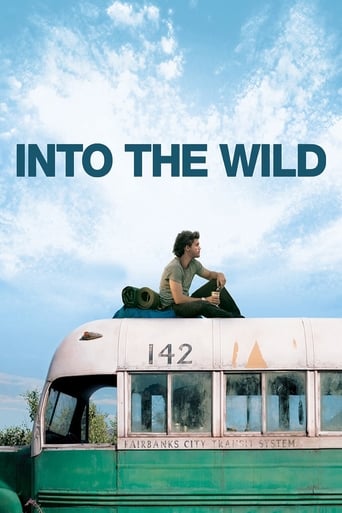
Into the Wild 2007
Into the Wild Is an Initiation That Reached Its Threshold and Was Refused Passage
Read the revelation →