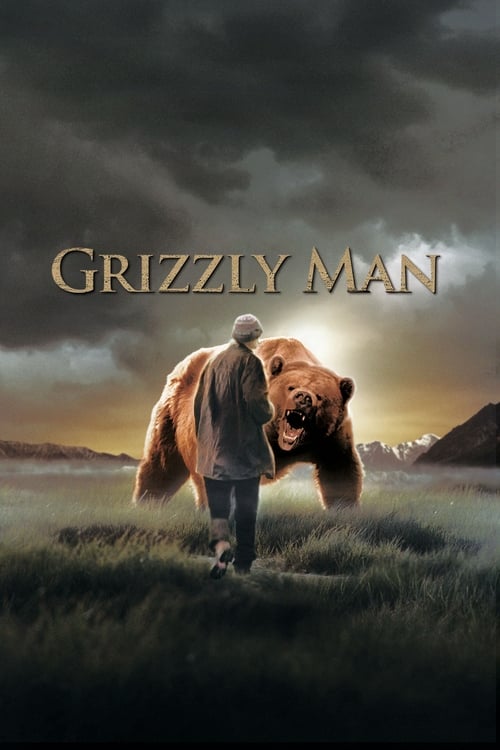
Grizzly Man
Grizzly Man Is the Story of a Man Who Tried to Cross Into the Animal World and Was Devoured at the Border
Directed by Werner Herzog
Timothy Treadwell filmed himself living among Alaskan grizzlies for thirteen summers, certain he was one of them. In the end a bear ate him. Herzog assembles Treadwell's own footage into an argument about the border he refused to see.
Treadwell is easy to dismiss as a naive man who confused wild predators with pets, and Herzog lets you feel that judgment before dismantling it. Treadwell's footage is astonishing: he crouches feet from thousand-pound bears, names them, weeps over a dead bumblebee, speaks to foxes as friends. He believed he had dissolved the line between human and animal and been welcomed across it. Herzog's counter-thesis is the spine of the film. There is a border between the human world and the wild, and it is not a wall of fear but a law, and Treadwell spent thirteen years pretending he had permission to cross it. The film is not about a man who loved bears too much. It is about what happens to a soul that tries to abolish a threshold the universe intends to keep.
Shamanic Reading: The Failed Crossing and the Vision Herzog Refuses
The shaman is the human who can cross into the animal world and return, but the tradition is unanimous on one point: the crossing requires initiation, alliance, and above all the discipline to come back. Treadwell had the calling and none of the protection. His footage shows the shaman's yearning in its rawest form, the ache to merge with the animal powers, but he approached them with sentiment where the tradition demands rigor. He treated the bears as his kin without earning the alliance, and the wild does not honor unearned intimacy.
Herzog's most severe moment is the border rendered visible. He listens to the audiotape of Treadwell's death on headphones, on camera, and then tells the woman who owns it to destroy it and never listen. He refuses to let the audience cross into that final scene. This is the film's shamanic wisdom enacted by the filmmaker himself: some thresholds are not for looking through. Where Treadwell believed there was no line, Herzog stands at the exact place the line runs and warns us back from it.
Gnostic Reading: Herzog's Blind Indifferent Cosmos Against Treadwell's Loving One
Treadwell and Herzog are two theologians arguing across a corpse. Treadwell's cosmos is Edenic: nature is a harmony of loving faces, the bears are gentle at heart, and he is their friend and protector against a corrupt human world. His footage is a gospel of that belief. Herzog answers with one of cinema's bluntest Gnostic confessions. Looking into the footage of a bear's face, he says he sees no kinship, no understanding, only the overwhelming indifference of nature, and that he believes the common denominator of the universe is chaos, hostility, and murder.
This is the Gnostic recognition that the created world is not benign, that its ruling order is blind to the spark inside us and grinds on without care. The tragedy the film transmits is that Treadwell needed the loving cosmos so badly he walked straight into the indifferent one and was consumed by it. His love was real. The world he offered it to could not receive it. Herzog does not mock this. He grieves it, and leaves the disagreement standing, because the film's power is that both men are looking at the same footage and seeing opposite gods.
Questions this film answers
What is the deeper meaning of Grizzly Man?
Treadwell is easy to dismiss as a naive man who confused wild predators with pets, and Herzog lets you feel that judgment before dismantling it. Treadwell's footage is astonishing: he crouches feet from thousand-pound bears, names them, weeps over a dead bumblebee, speaks to foxes as friends. He believed he had dissolved the line between human and animal and been welcomed across it. Herzog's counter-thesis is the spine of the film. There is a border between the human world and the wild, and it is not a wall of fear but a law, and Treadwell spent thirteen years pretending he had permission to cross it. The film is not about a man who loved bears too much. It is about what happens to a soul that tries to abolish a threshold the universe intends to keep.
What is the hidden symbolism in Grizzly Man?
The shaman is the human who can cross into the animal world and return, but the tradition is unanimous on one point: the crossing requires initiation, alliance, and above all the discipline to come back. Treadwell had the calling and none of the protection. His footage shows the shaman's yearning in its rawest form, the ache to merge with the animal powers, but he approached them with sentiment where the tradition demands rigor. He treated the bears as his kin without earning the alliance, and the wild does not honor unearned intimacy.
What esoteric traditions appear in Grizzly Man?
Grizzly Man draws from Shamanism, Gnosticism traditions. Timothy Treadwell filmed himself living among Alaskan grizzlies for thirteen summers, certain he was one of them. In the end a bear ate him. Herzog assembles Treadwell's own footage into an argument about the border he refused to see.
Is Grizzly Man worth watching for spiritual seekers?
Grizzly Man (2005) directed by Werner Herzog is essential viewing for those interested in Shamanism, Gnosticism. Grizzly Man Is the Story of a Man Who Tried to Cross Into the Animal World and Was Devoured at the Border. It rewards multiple viewings and contemplation.
Rewatch With New Eyes
Now that you've seen the architecture, experience it again. The same film becomes a different film when you know what to watch for.
This time, watch for:
- Follow the descent: what dies, what guides, what returns transformed
- Watch for the false world vs. the real — who is asleep, who awakens
Links may include affiliate partnerships that support Media Revelations
The Descent Continues
Where this thread leads next.
Into the Wild 2007
Into the Wild Is an Initiation That Reached Its Threshold and Was Refused Passage
Read the revelation →