Earwig and the Witch
Earwig and the Witch Is About the Orphan Who Refuses to Be Chosen and Chooses Instead to Command
Directed by Goro Miyazaki
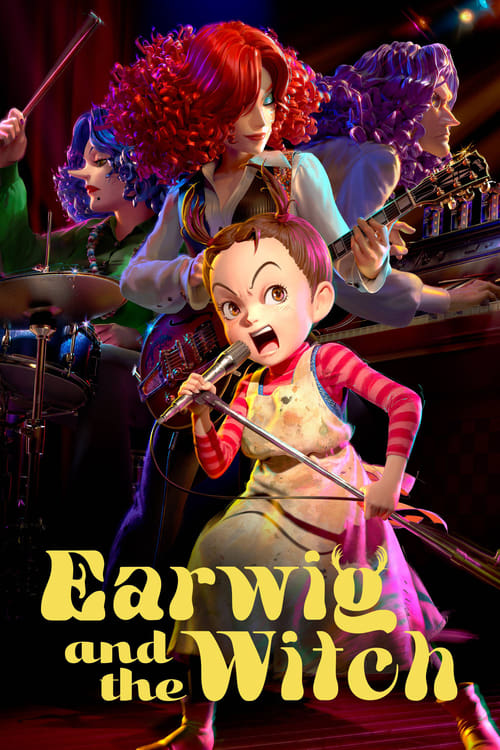
Earwig is left at an orphanage as a baby by a witch mother fleeing twelve other witches. She grows up getting everyone to do exactly what she wants. Then a real witch adopts her to use as a servant. Earwig's response is not to escape. It is to conquer the household from the inside.
Goro Miyazaki's much-maligned CG experiment is doing something almost no children's film dares: its heroine has no wound to heal and no lesson to learn. Earwig arrives already whole, already sovereign, a child whose entire operating principle is that she gets what she wants by understanding what other people want and trading it. When the witch Bella Yaga takes her home to mix spells as unpaid labor, the expected arc would be suffering, rescue, redemption. Instead Earwig recruits a talking cat, learns just enough magic to gain leverage, and steadily bends the two adults, Bella Yaga and the demonic Mandrake, into a functioning family under her terms. The film flopped because audiences wanted transformation. What Earwig offers is something rarer and stranger: the child as unbroken will.
Initiatory Reading: The Threshold Crossed by One Who Was Never Afraid
Classical initiation requires the initiate to be broken before being remade: the descent, the terror, the ego death, the return. Earwig inverts every stage. She crosses the threshold into the witch's house, the initiatory otherworld, and treats it not as a trial but as a territory to be surveyed and organized. The guardian figures, Bella Yaga with her spells and Mandrake with his contained rage, are the classic threshold monsters. Earwig does not defeat them through courage or magic. She negotiates.
This is a genuine, if unfashionable, teaching about a certain kind of soul. Some initiates are not there to be humbled. They are there to demonstrate that the otherworld, too, runs on relationship and reciprocity, and that a will clear enough about what it wants cannot be enslaved. Earwig's magic lessons are almost beside the point. Her real power is that she has never once doubted she belongs wherever she stands. The house does not transform her. She transforms the house.
Jungian Reading: The Puer Who Domesticates the Shadow
Bella Yaga and Mandrake are the shadow made domestic, the witch and the demon living in an ordinary suburban house full of clutter and takeout. In most stories the child confronting such figures must be protected from them or must flee. Earwig instead moves in, learns their habits, and integrates them into her life without ever being consumed. She turns the witch into a teacher and the demon into, effectively, a doting stepfather who plays drums.
Jung's puer aeternus, the eternal child, is usually a warning, the person who never grows up and never grounds. But there is a rarer positive puer: the child-self so unshakably itself that it can move through the shadow-world and remain golden, the part of the psyche that meets the fearsome unconscious and simply refuses to be frightened of it. Earwig is that figure. The unresolved revelation about her rock-band witch mother, the abrupt open ending that frustrated its audience, is the point: the sovereign child does not need her origin explained. She is already, fully, herself.
Questions this film answers
What is the deeper meaning of Earwig and the Witch?
Goro Miyazaki's much-maligned CG experiment is doing something almost no children's film dares: its heroine has no wound to heal and no lesson to learn. Earwig arrives already whole, already sovereign, a child whose entire operating principle is that she gets what she wants by understanding what other people want and trading it. When the witch Bella Yaga takes her home to mix spells as unpaid labor, the expected arc would be suffering, rescue, redemption. Instead Earwig recruits a talking cat, learns just enough magic to gain leverage, and steadily bends the two adults, Bella Yaga and the demonic Mandrake, into a functioning family under her terms. The film flopped because audiences wanted transformation. What Earwig offers is something rarer and stranger: the child as unbroken will.
What is the hidden symbolism in Earwig and the Witch?
Classical initiation requires the initiate to be broken before being remade: the descent, the terror, the ego death, the return. Earwig inverts every stage. She crosses the threshold into the witch's house, the initiatory otherworld, and treats it not as a trial but as a territory to be surveyed and organized. The guardian figures, Bella Yaga with her spells and Mandrake with his contained rage, are the classic threshold monsters. Earwig does not defeat them through courage or magic. She negotiates.
What esoteric traditions appear in Earwig and the Witch?
Earwig and the Witch draws from Initiation, Jungian traditions. Earwig is left at an orphanage as a baby by a witch mother fleeing twelve other witches. She grows up getting everyone to do exactly what she wants. Then a real witch adopts her to use as a servant. Earwig's response is not to escape. It is to conquer the household from the inside.
Is Earwig and the Witch worth watching for spiritual seekers?
Earwig and the Witch (2021) directed by Goro Miyazaki is essential viewing for those interested in Initiation, Jungian. Earwig and the Witch Is About the Orphan Who Refuses to Be Chosen and Chooses Instead to Command. It rewards multiple viewings and contemplation.
Rewatch With New Eyes
Now that you've seen the architecture, experience it again. The same film becomes a different film when you know what to watch for.
This time, watch for:
- Mark the threshold: the old self dies, the ordeal transforms, the new self returns
- Meet the shadow: what is rejected, projected, and finally integrated
Links may include affiliate partnerships that support Media Revelations
The Descent Continues
Where this thread leads next.
Kiki's Delivery Service 1989
Kiki's Magic Fails the Moment She Starts Performing It
Read the revelation →