Lady Vengeance
Lady Vengeance Is an Alchemical Portrait of a Soul That Chose the Wound Over Absolution
Directed by Park Chan-wook
Thirteen years of prison devotion. One tofu brick smashed against a face. Park Chan-wook built a theological argument into a revenge film, and the argument is about what grace costs.
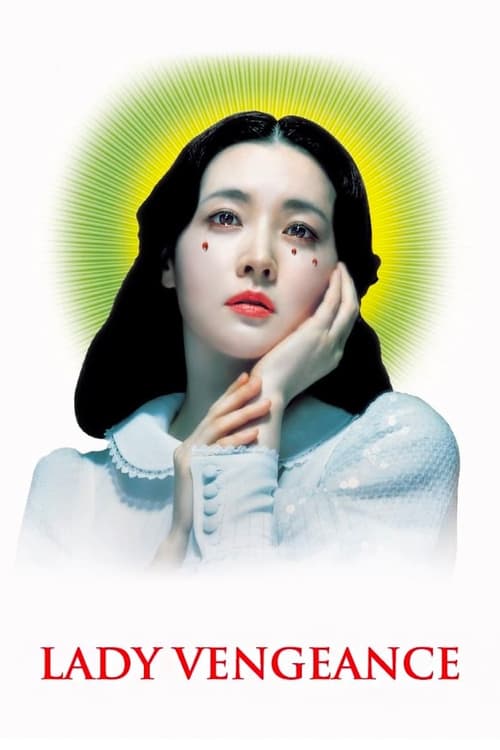
Park Chan-wook's Vengeance Trilogy ends here, and the ending is not catharsis. Geum-ja Lee spends thirteen years in prison constructing a reputation for holiness while secretly assembling the architecture of vengeance. She is beautiful, devout, red-eyed. When she walks free and begins dismantling the man who stole her child and her decade and her innocence, the film never once lets her escape into righteousness. What looks like a revenge narrative is an alchemical portrait of a soul that understood, with full clarity, that she was choosing the wound, and chose it anyway.
The Alchemical Reading: Rubedo Refused, Nigredo Accepted
Alchemy maps the soul's transformation across three phases. Nigredo is the blackening, the putrefaction, the prison years, the false confessions, the accumulated grief. Albedo is the whitening, the purification, the possibility of innocence restored. Rubedo is the reddening, the integration, the soul that has passed through fire and carries its scar as gold.
Geum-ja's red eyeshadow is her rubedo mark. She learns to make it in prison from blood-red pigment, and she wears it through the entire film as a declaration: the wound is mine, I am not hiding it, I will not pretend the years were clean. When Mr. Baek is finally delivered to her and the victims' families, she organizes a ceremony not of personal revenge but of communal reckoning, each family given time alone with the killer, each one made to carry the act themselves. This is rubedo distributed, shared, metabolized across a community of grief.
The film's final scene arrives as an offer. The prison chaplain, the same figure who spent years offering Geum-ja spiritual rescue, presents her with a block of white tofu. In Korean tradition, you eat white tofu after release from prison: a clean slate, a fresh start, the whitening ceremony of albedo. Geum-ja takes the tofu and presses it against her own face. She does not eat it. She will not receive the blanking. The white will not be permitted to overwrite the red. The chaplain's absolution is a false albedo, a shortcut through the work, and she refuses it at the moment he believes he has finally reached her.
Park Chan-wook films this in stillness, close, without score. The tofu crumbles against her cheek. She is weeping. This is what choosing the wound looks like: not hardness, not triumph, but a grief that refuses to be resolved on the world's schedule.
The Buddhist Reading: Karma Distributed, Not Transferred
The collective execution sequence in the film's second half operates as a karma ceremony. The families of Baek's murdered children are brought together. They vote. They deliberate. They take turns. One mother cannot bring herself to strike; another cannot stop. Park Chan-wook films it with the same formal attention he gives every ritual in his work, because this is a ritual.
In Buddhist understanding, karma is not punishment arriving from outside. It is consequence moving through the moral fabric of reality, touching everyone the original action disturbed. Baek's murders rippled outward into every family who lost a child to him. When Geum-ja assembles those families and gives them the act, she is not outsourcing her vengeance. She is routing the karma back through every channel it originally violated. Each parent's blow is not rage; it is a disturbance in the moral field being corrected from within.
The scene has no heroism in it. Everyone who walks out of that warehouse is changed in ways they did not consent to. Geum-ja planned this with precision and is still not ready for what it costs. The Buddhist frame holds both truths simultaneously: the act was necessary and the act was corrupting, and those two things do not cancel each other.
See also: the same director's initiatory feminine power in The Handmaiden · the Vengeance Trilogy's masculine counterpart in Oldboy · Korean cinema's other alchemy of irreversible transformation in Burning
Questions this film answers
What is the deeper meaning of Lady Vengeance?
Park Chan-wook's Vengeance Trilogy ends here, and the ending is not catharsis. Geum-ja Lee spends thirteen years in prison constructing a reputation for holiness while secretly assembling the architecture of vengeance. She is beautiful, devout, red-eyed. When she walks free and begins dismantling the man who stole her child and her decade and her innocence, the film never once lets her escape into righteousness. What looks like a revenge narrative is an alchemical portrait of a soul that understood, with full clarity, that she was choosing the wound, and chose it anyway.
What is the hidden symbolism in Lady Vengeance?
Alchemy maps the soul's transformation across three phases. Nigredo is the blackening, the putrefaction, the prison years, the false confessions, the accumulated grief. Albedo is the whitening, the purification, the possibility of innocence restored. Rubedo is the reddening, the integration, the soul that has passed through fire and carries its scar as gold.
What esoteric traditions appear in Lady Vengeance?
Lady Vengeance draws from Alchemy, Buddhism traditions. Thirteen years of prison devotion. One tofu brick smashed against a face. Park Chan-wook built a theological argument into a revenge film, and the argument is about what grace costs.
Is Lady Vengeance worth watching for spiritual seekers?
Lady Vengeance (2005) directed by Park Chan-wook is essential viewing for those interested in Alchemy, Buddhism. Lady Vengeance Is an Alchemical Portrait of a Soul That Chose the Wound Over Absolution. It rewards multiple viewings and contemplation.
Rewatch With New Eyes
Now that you've seen the architecture, experience it again. The same film becomes a different film when you know what to watch for.
This time, watch for:
- Track the stages: blackening, whitening, reddening — death before rebirth
- See impermanence: what clings, what releases, what remains
Links may include affiliate partnerships that support Media Revelations