Nausicaä of the Valley of the Wind
The Shaman Who Speaks to What We Poisoned
Directed by Hayao Miyazaki
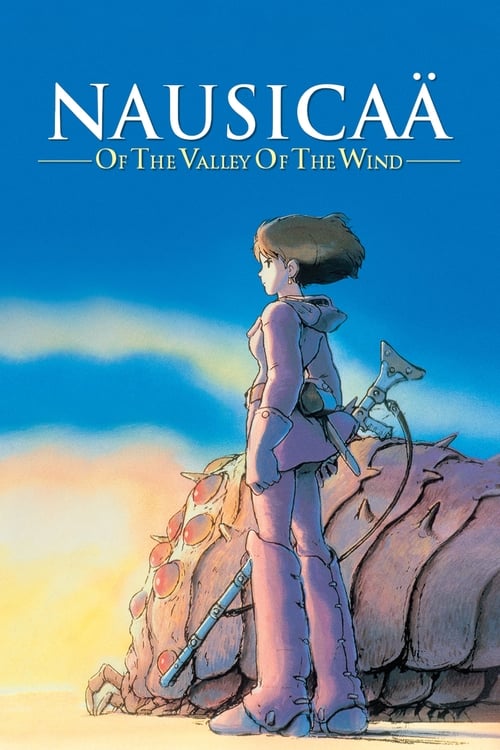
The Toxic Jungle is not the disease — it is the cure. Humanity poisoned the world with industrial war; the jungle is purifying the poison over centuries. Nausicaä sees what others miss because she listens instead of attacks. Her death and resurrection complete the Ohmu prophecy. Blue field, golden robes.
Nausicaä of the Valley of the Wind is Miyazaki's foundational text — the cosmology that every subsequent film extends. A thousand years after industrial civilization destroyed itself, humanity clings to small kingdoms while the Toxic Jungle spreads, releasing spores that kill anyone who breathes them. Most humans see the jungle as enemy. Nausicaä, princess of a small valley, sees it as the earth's immune response. She is a shaman in the classic sense: one who moves between worlds, who communicates with what others fear, who heals the rupture between human and other. The giant insects called Ohmu are not monsters to her. They are wounded beings whose rage comes from centuries of attack. When she calms them, she is not controlling them — she is apologizing for what humanity did. The film's prophecy — a figure in blue clothing who will walk on a golden field — is fulfilled when Nausicaä dies stopping a stampede and is raised by the Ohmu's golden tentacles. She walks on living gold. Her blue dress identifies her. The messiah arrived, and she came not to defeat the jungle but to teach humans to listen to it.
The Surface
A thousand years after the Seven Days of Fire destroyed industrial civilization, humanity survives in scattered kingdoms while the Toxic Jungle — a vast forest of giant fungi that release deadly spores — spreads across the earth. The insects that inhabit the jungle, especially the massive Ohmu, rampage when disturbed, flattening human settlements.
Nausicaä, princess of the Valley of the Wind — a small kingdom protected by sea winds that keep the spores at bay — is not like other humans. She enters the jungle without fear, studies its plants, and communicates with the Ohmu. When she discovers that the jungle's trees purify toxins in the soil over centuries, she realizes the jungle is healing the earth, not poisoning it.
War interrupts her research. The empire of Tolmekia has unearthed an ancient God Warrior — a bioweapon from the old world — and plans to burn the jungle. The peaceful Pejite kingdom retaliates by luring enraged Ohmu toward Tolmekian forces. Nausicaä must stop both sides from destroying what neither understands.
The Shaman Between Worlds
Nausicaä's gift is communication. She speaks to Ohmu not through language but through presence — she approaches without fear, emits calm, refuses to project hostility. The Ohmu respond. They communicate in return. When she is a child, they rescue her from drowning. When she is an adult, they recognize her as one who understands.
This is the shamanic role: the one who moves between the human world and the world of spirits, animals, plants. The shaman does not conquer the other — she relates to it. Nausicaä's power is not her glider or her weapons. It is her capacity to be present without agenda.
She descends into the jungle's depths and discovers the truth: beneath the toxic surface, the forest's roots are purifying the old world's poisons. The process takes centuries. Humanity's impatience sees only death; Nausicaä sees recovery. The shaman's role is to bring this knowledge back to the village.
Her report is not believed. The kingdoms want war. They want to burn what they fear. Nausicaä cannot convince them with words. She will have to demonstrate.
The Ohmu as Wounded Earth
The Ohmu are not monsters. They are traumatized. Their stampedes are not malice — they are the rage of beings who have been attacked for a thousand years. Every time humans burn the jungle, the Ohmu remember. Every time humans kill their young, the Ohmu remember.
When their eyes glow red, they are in pain. When their eyes are blue, they are calm. Nausicaä sees this distinction immediately. Others do not. They see only danger and respond with fire, which creates more danger, which justifies more fire.
The Ohmu keep the jungle alive. They spread spores, cycle nutrients, maintain the ecosystem that is healing the earth. Killing them accelerates the very process humans fear. The war against the jungle is a war against the cure.
When Pejite lures a baby Ohmu with wounds to drive the stampede toward Tolmekia, Nausicaä is horrified not by the strategy but by the pain. The baby is screaming. Its wounds are real. Someone tortured a child to make a weapon. She cannot allow this. She places herself in front of the stampede.
The Prophecy Fulfilled
The people of the valley hold an ancient prophecy: 'After a thousand years of darkness, a figure in blue will descend upon a golden field and restore the bond between humanity and earth.' They wait for a messiah. They do not recognize her when she arrives.
Nausicaä stands before the stampede. She is thrown by the impact, her body broken. She dies — actually dies, not metaphorically. The Ohmu stop. They gather around her body. Their golden tentacles lift her.
She walks on the golden field of Ohmu antennae. Her blue dress identifies her. The prophecy specified this: blue clothes, golden field. No one expected the field to be alive. No one expected the messiah to be the princess they already knew.
Nausicaä rises healed. The Ohmu's touch restores her. She has died and been resurrected by the beings humans called monsters. The initiation is complete: she descended into death, was reconstituted by the other, and returns bearing the message that humans and jungle can coexist.
The God Warrior and the False Solution
The God Warrior is the alternative path — the human solution to the jungle problem. It is a bioweapon from the old world, one of the giants that burned civilization in the Seven Days of Fire. Tolmekia dug it up and plans to use it again.
This is the extractive mind at work: the problem is external, the solution is destruction. Burn the jungle. Defeat the enemy. Repeat the Seven Days of Fire because this time it will work. The God Warrior is immense, powerful, and already decaying. It fires once and collapses. Its power cannot be sustained.
Miyazaki shows the God Warrior as tragic rather than evil. It was made to destroy. Destroying is all it can do. It fires its beam toward the Ohmu and then falls apart, too damaged to survive. The weapons of the old world are dying. They cannot be revived.
Nausicaä's path is the opposite: not dominance but relationship, not burning but listening, not destruction but patience. The God Warrior offers immediate solution. Nausicaä offers a thousand years of coexistence. The film asks which approach leads to life.
The Transmission
Nausicaä was Miyazaki's first major film and the foundation of Studio Ghibli. Every environmental theme in his later work — Princess Mononoke, Spirited Away, Ponyo — grows from this root. The jungle is the template for all his nonhuman worlds.
The film's politics are precise. The toxins in the soil are industrial waste. The kingdoms fight for resources. The God Warrior is nuclear weapons. Miyazaki is not subtle: we poisoned the earth with industry and war, and the earth is healing itself, and we are trying to stop it because healing looks like death from our perspective.
Nausicaä's solution is not to defeat the jungle but to let it complete its work. Humanity must adapt, find protected valleys, wait out the centuries of purification. This requires humility that kingdoms do not possess. The film offers no easy exit.
The shaman returns with impossible news: the monster is the cure. No one wants to hear this. The film transmits the difficulty of bearing such news — the knowledge that what everyone wants to destroy is precisely what is healing them. Nausicaä carries this knowledge. It is heavier than any weapon.
Questions this film answers
What is the deeper meaning of Nausicaä of the Valley of the Wind?
Nausicaä of the Valley of the Wind is Miyazaki's foundational text — the cosmology that every subsequent film extends. A thousand years after industrial civilization destroyed itself, humanity clings to small kingdoms while the Toxic Jungle spreads, releasing spores that kill anyone who breathes them. Most humans see the jungle as enemy. Nausicaä, princess of a small valley, sees it as the earth's immune response. She is a shaman in the classic sense: one who moves between worlds, who communicates with what others fear, who heals the rupture between human and other. The giant insects called Ohmu are not monsters to her. They are wounded beings whose rage comes from centuries of attack. When she calms them, she is not controlling them — she is apologizing for what humanity did. The film's prophecy — a figure in blue clothing who will walk on a golden field — is fulfilled when Nausicaä dies stopping a stampede and is raised by the Ohmu's golden tentacles. She walks on living gold. Her blue dress identifies her. The messiah arrived, and she came not to defeat the jungle but to teach humans to listen to it.
What is the hidden symbolism in Nausicaä of the Valley of the Wind?
A thousand years after the Seven Days of Fire destroyed industrial civilization, humanity survives in scattered kingdoms while the Toxic Jungle — a vast forest of giant fungi that release deadly spores — spreads across the earth. The insects that inhabit the jungle, especially the massive Ohmu, rampage when disturbed, flattening human settlements.
What esoteric traditions appear in Nausicaä of the Valley of the Wind?
Nausicaä of the Valley of the Wind draws from Shamanism, Initiation traditions. The Toxic Jungle is not the disease — it is the cure. Humanity poisoned the world with industrial war; the jungle is purifying the poison over centuries. Nausicaä sees what others miss because she listens instead of attacks. Her death and resurrection complete the Ohmu prophecy. Blue field, golden robes.
What does Nausicaä of the Valley of the Wind teach about the shaman between worlds?
Nausicaä's power is not her glider or her weapons. It is her capacity to be present without agenda. Nausicaä's gift is communication. She speaks to Ohmu not through language but through presence — she approaches without fear, emits calm, refuses to project hostility. The Ohmu respond. They communicate in return. When she is a child, they rescue her from drowning. When she is an adult, they recognize her as one who understands.
What does Nausicaä of the Valley of the Wind teach about the prophecy fulfilled?
She walks on the golden field of Ohmu antennae. The prophecy specified this: blue clothes, golden field. The people of the valley hold an ancient prophecy: 'After a thousand years of darkness, a figure in blue will descend upon a golden field and restore the bond between humanity and earth.' They wait for a messiah. They do not recognize her when she arrives.
Is Nausicaä of the Valley of the Wind worth watching for spiritual seekers?
Nausicaä of the Valley of the Wind (1984) directed by Hayao Miyazaki is essential viewing for those interested in Shamanism, Ecology, Miyazaki. The Shaman Who Speaks to What We Poisoned. It rewards multiple viewings and contemplation.
Rewatch With New Eyes
Now that you've seen the architecture, experience it again. The same film becomes a different film when you know what to watch for.
This time, watch for:
- Follow the descent: what dies, what guides, what returns transformed
- Mark the threshold: the old self dies, the ordeal transforms, the new self returns
Links may include affiliate partnerships that support Media Revelations
The Descent Continues
Where this thread leads next.
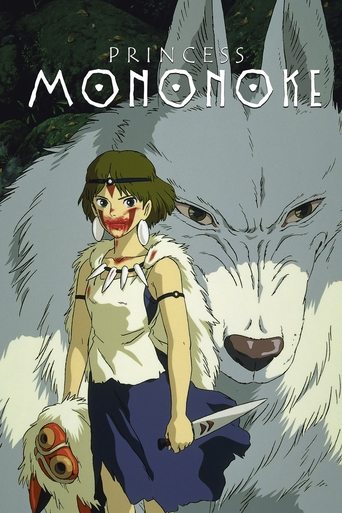
Princess Mononoke 1997
The Apocalypse That Already Happened and You Didn't Notice
Read the revelation →