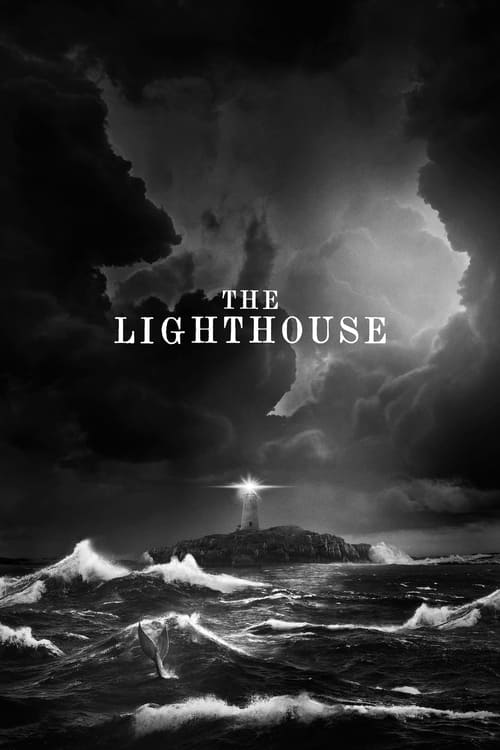
Winslow wants to see the light — forbidden knowledge, the thing the old man guards. It's Prometheus punished before the theft. The seagulls are his liver. The aspect ratio is the claustrophobia of obsession. He sees the light. It destroys him.
The Lighthouse is the Prometheus myth told from inside the punishment. Two men on a rock. One guards a light. The other wants to see it. Eggers is not making a film about isolation-induced madness. He is making a film about the structure of forbidden knowledge — what happens to a soul that demands to see what it has not earned the right to see. Winslow climbs the stairs at the end and sees the light. He goes blind. His liver is eaten by gulls on the rocks. The myth was always operating. The men were just acting it out.
The Surface
Two lighthouse keepers — a young drifter named Winslow and an old salt named Wake — are stranded together on a barren rock during a four-week shift. Storms come. They cannot leave. They drink, fight, work, and slowly unravel. Winslow may or may not have killed a man before arriving. Wake may or may not be hiding something in the light at the top of the tower.
Eggers shot in 1.19:1 — an aspect ratio so tight it crushes the image vertically and makes every frame feel like a prison window. The black-and-white photography uses orthochromatic film stock that renders skin in ghostly tones and dramatizes contrast. This is not aesthetic choice. It is induced claustrophobia.
Behind the surface story is a precise structure: a myth, retold. Every beat in the film corresponds to an element of the Prometheus narrative. Eggers is not adapting the myth. He is putting two men inside it and watching them perform it without knowing what they are doing.
Prometheus on the Rock
Prometheus stole fire from the gods and gave it to humanity. He was chained to a rock. Each day an eagle came and ate his liver. Each night the liver grew back. The punishment was eternal.
Winslow is Prometheus before the theft. He is on the rock from the beginning. The light is already withheld from him by Wake, the keeper of the flame. The gulls are already attacking him — Wake warns him never to harm a seagull because they hold the souls of dead sailors. Winslow does not believe this. He kills one. The winds turn. The supply boat does not come.
The myth runs in reverse and forward simultaneously. Winslow has not yet earned the light, but is already being punished for wanting it. This is the structure of forbidden knowledge in mystery traditions: the punishment precedes and produces the theft. You become the one who must steal because you cannot bear not to have what is hidden.
Wake is the keeper — old, blind in one eye, jealous of the light he tends. He is gatekeeper and obstacle and Promethean elder all at once. He may have killed his previous assistant in the same way Winslow killed the gull.
The Light at the Top
Wake forbids Winslow to enter the lamp room. Winslow becomes obsessed. He sees Wake at night standing naked before the light, bathed in it, in something between prayer and ecstasy. The light is the object of forbidden union.
What is the light? Eggers refuses to settle it. It is fire. It is gnosis. It is the godhead. It is the eye of the gods that Wake claims to see when bathed in it. It is also literally a Fresnel lens designed to amplify a flame and warn ships. Eggers builds the film so that all readings are simultaneously true.
This is the structure of gnosis. Direct experience of the divine cannot be transmitted in language. It can only be approached and undergone. Wake has undergone it. Whatever he saw is what makes him both authority and ruin. He cannot describe it to Winslow. He can only forbid Winslow from approaching.
When Winslow finally climbs the steps, beats Wake to death, and reaches the lamp — he touches the lens. He screams. He falls down the stairs. The final shot shows him on the rocks, naked, bleeding, with gulls tearing at his abdomen. He saw it. The seeing destroyed him.
The Storm and Sparagmos
The storm comes and does not leave. Days collapse into each other. Their names blur — Winslow has been calling himself Ephraim Winslow but Wake repeatedly calls him Thomas. By the end Thomas Wake and Thomas Winslow may be the same name being passed between bodies.
This is sparagmos — the ritual dismemberment of identity. Dionysian initiation requires the tearing apart of the self before reconstitution. Eggers does not let the reconstitution arrive. The men dismember each other psychologically and physically. There is no rebirth on the rock.
They dance, they wrestle, they confess and then deny their confessions, they accuse each other of fictions and the fictions become facts and the facts become fictions. Wake's monologue cursing Winslow is six minutes of Old Testament eloquence that has no narrative function. It is incantation. It is doing something to Winslow at the level of being.
By the time Winslow kills Wake, neither character is recognizable as the man who arrived. The rock has done what rocks do in initiation myth: it has stripped them to whatever was beneath their personalities, and what was beneath was the same archetypal violence rehearsing itself forever.
The Transmission
The Lighthouse is one of the few films that refuses the catharsis of explanation. You leave the theater carrying images that have no resolution: the mermaid in the rocks, the tentacle through the trapdoor, the wooden idol Winslow finds in his bunk, the eye in the light. None of these is solved.
Eggers is performing the same operation Wake performs on Winslow. He is showing you something he refuses to explain. You can climb the stairs of interpretation and demand to see what is inside. The film will not tell you. The seeing is in the refusal.
What the film transmits is the experience of being on the rock — the suspicion that you have always been on it, that the storm has been going for longer than you have been alive, that the light is real and forbidden and the gulls are coming. Eggers shoots a black-and-white film about lighthouse keepers and somehow makes you complicit in Prometheus's crime. That is mastery of cinema as initiatic technology.
Questions this film answers
What is the deeper meaning of The Lighthouse?
The Lighthouse is the Prometheus myth told from inside the punishment. Two men on a rock. One guards a light. The other wants to see it. Eggers is not making a film about isolation-induced madness. He is making a film about the structure of forbidden knowledge — what happens to a soul that demands to see what it has not earned the right to see. Winslow climbs the stairs at the end and sees the light. He goes blind. His liver is eaten by gulls on the rocks. The myth was always operating. The men were just acting it out.
What is the hidden symbolism in The Lighthouse?
Two lighthouse keepers — a young drifter named Winslow and an old salt named Wake — are stranded together on a barren rock during a four-week shift. Storms come. They cannot leave. They drink, fight, work, and slowly unravel. Winslow may or may not have killed a man before arriving. Wake may or may not be hiding something in the light at the top of the tower.
What esoteric traditions appear in The Lighthouse?
The Lighthouse draws from Initiation, Gnosticism traditions. Winslow wants to see the light — forbidden knowledge, the thing the old man guards. It's Prometheus punished before the theft. The seagulls are his liver. The aspect ratio is the claustrophobia of obsession. He sees the light. It destroys him.
What does The Lighthouse teach about prometheus on the rock?
Winslow is Prometheus before the theft. He is on the rock from the beginning. Prometheus stole fire from the gods and gave it to humanity. He was chained to a rock. Each day an eagle came and ate his liver. Each night the liver grew back. The punishment was eternal.
What does The Lighthouse teach about the light at the top?
Wake cannot describe it to Winslow. He can only forbid Winslow from approaching. Wake forbids Winslow to enter the lamp room. Winslow becomes obsessed. He sees Wake at night standing naked before the light, bathed in it, in something between prayer and ecstasy. The light is the object of forbidden union.
Is The Lighthouse worth watching for spiritual seekers?
The Lighthouse (2019) directed by Robert Eggers is essential viewing for those interested in Prometheus, Forbidden Knowledge, Madness. Prometheus on a Rock. It rewards multiple viewings and contemplation.
Rewatch With New Eyes
Now that you've seen the architecture, experience it again. The same film becomes a different film when you know what to watch for.
This time, watch for:
- Mark the threshold: the old self dies, the ordeal transforms, the new self returns
- Watch for the false world vs. the real — who is asleep, who awakens
Links may include affiliate partnerships that support Media Revelations
The Descent Continues
Where this thread leads next.
The Shining 1980
The Overlook as Living Memory Field
Read the revelation →