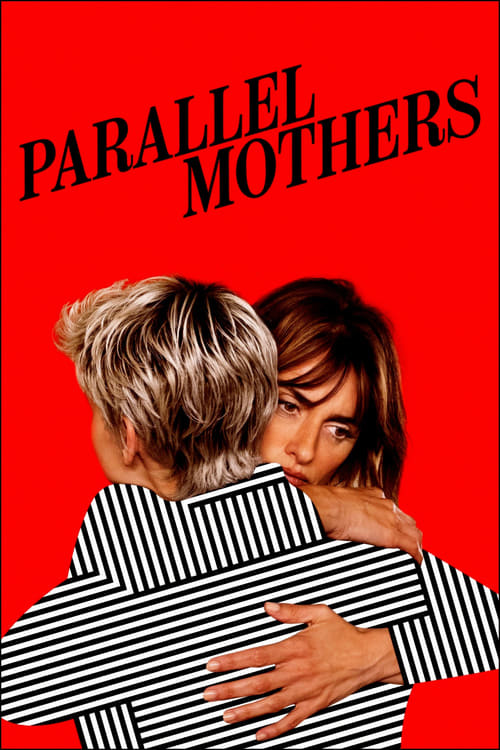
Parallel Mothers
Parallel Mothers Buries a Nation's Corpses Under a Single Swapped Baby
Directed by Pedro Almodóvar
Almodóvar hides the Spanish Civil War inside a maternity ward. The private lie and the public grave are the same wound.
Janis, a photographer in her late thirties, gives birth the same night as Ana, a frightened teenager. Their daughters are switched. Janis discovers it through a DNA test and says nothing, keeping the child she knows is not hers, drawing the grieving teenage mother into her home and her bed rather than confess. This looks like a melodrama about maternal fraud. It is not. The switched infant is a decoy the film sets in your line of sight so you will feel, in miniature, the exact thing Spain has refused to feel for eighty years: what it costs to know the truth about the dead and choose to bury it. Janis has spent the whole film petitioning to exhume her great-grandfather from a Falangist mass grave in her home village. The lie she tells over the cradle and the excavation she demands in the field are one act performed twice, once in denial and once in repair.
Jungian Reading: The Shadow Buried in the Ground Is the Same Shadow Kept in the Crib
Jung held that what a person refuses to make conscious does not disappear. It sinks, and it operates. Janis performs the refusal openly. She holds the DNA result and withholds it, choosing a comfortable falsehood over an unbearable fact, and the film shows her aging inside that choice, snapping at Ana, flinching at the child's face. This is the shadow at the individual scale.
Then Almodóvar widens the lens without changing the subject. The village grave holds men shot and dumped by their neighbors, and the entire country has agreed, through the Pact of Forgetting, to leave them under the soil and call it peace. That is the shadow at the national scale: an atrocity everyone knows about and no one will name. The genius of the film is that Janis cannot heal one without the other. Only when she finally tells Ana the truth about the baby does she gain the standing to open the mass grave. The self cannot integrate the collective wound while it is still lying about its own. The private confession is the price of admission to the public one.
Initiatory Reading: The Descent That Ends With Bones Laid in the Light
Every initiation requires a descent to the dead and a return with what was found there. The final sequence is a literal katabasis rendered as forensic archaeology. The villagers gather at the trench, the anthropologists brush the earth from skulls and rib cages, and the camera rests on the skeletons arranged in the open air, some still clutching the objects they died with.
This is the return the whole film was moving toward. The dead are not resurrected. They are witnessed. The initiate does not conquer death; she learns to look at it without turning away, and to place a name back on what was made anonymous. Janis holds her new pregnancy at the graveside, one generation standing over the exhumed evidence of another, the line of descent finally intact because it has been made to face what it descended from. The film ends not with the grave closed but with it open, the bones lit, the record restored. That is what initiation buys: not comfort, but the end of forgetting.
Questions this film answers
What is the deeper meaning of Parallel Mothers?
Janis, a photographer in her late thirties, gives birth the same night as Ana, a frightened teenager. Their daughters are switched. Janis discovers it through a DNA test and says nothing, keeping the child she knows is not hers, drawing the grieving teenage mother into her home and her bed rather than confess. This looks like a melodrama about maternal fraud. It is not. The switched infant is a decoy the film sets in your line of sight so you will feel, in miniature, the exact thing Spain has refused to feel for eighty years: what it costs to know the truth about the dead and choose to bury it. Janis has spent the whole film petitioning to exhume her great-grandfather from a Falangist mass grave in her home village. The lie she tells over the cradle and the excavation she demands in the field are one act performed twice, once in denial and once in repair.
What is the hidden symbolism in Parallel Mothers?
Jung held that what a person refuses to make conscious does not disappear. It sinks, and it operates. Janis performs the refusal openly. She holds the DNA result and withholds it, choosing a comfortable falsehood over an unbearable fact, and the film shows her aging inside that choice, snapping at Ana, flinching at the child's face. This is the shadow at the individual scale.
What esoteric traditions appear in Parallel Mothers?
Parallel Mothers draws from Jungian, Initiation traditions. Almodóvar hides the Spanish Civil War inside a maternity ward. The private lie and the public grave are the same wound.
Is Parallel Mothers worth watching for spiritual seekers?
Parallel Mothers (2021) directed by Pedro Almodóvar is essential viewing for those interested in Jungian, Initiation. Parallel Mothers Buries a Nation's Corpses Under a Single Swapped Baby. It rewards multiple viewings and contemplation.
Rewatch With New Eyes
Now that you've seen the architecture, experience it again. The same film becomes a different film when you know what to watch for.
This time, watch for:
- Meet the shadow: what is rejected, projected, and finally integrated
- Mark the threshold: the old self dies, the ordeal transforms, the new self returns
Links may include affiliate partnerships that support Media Revelations
The Descent Continues
Where this thread leads next.
Volver 2006
Volver Is a Ghost Story Where the Dead Come Back to Do the Dishes
Read the revelation →