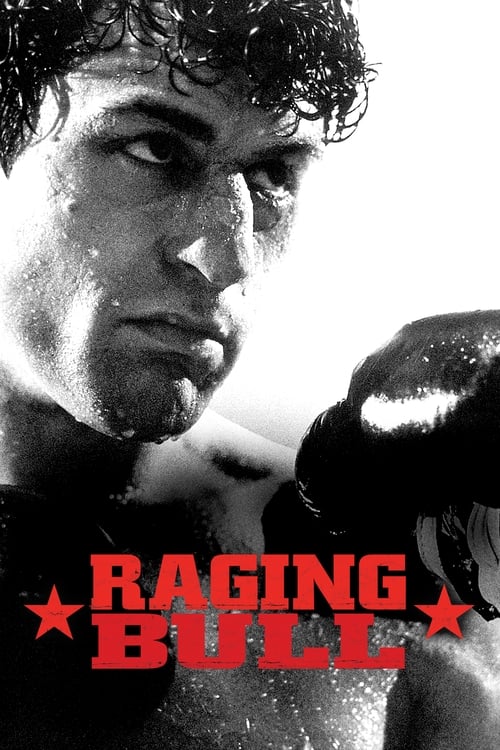
Raging Bull
Raging Bull Is a Man Punishing His Own Flesh Because He Cannot Reach His Soul
Directed by Martin Scorsese
Scorsese shot it in black and white, in the year he thought he was dying, about a man who could only feel love as jealousy and only feel grace as a beating. This is not a boxing film. It is a passion play with no resurrection scene, only the wait for one.
Jake LaMotta rises to the middleweight title and destroys everyone who loves him along the way, driven by a jealousy so total he beats his brother and accuses his wife on no evidence but the pressure inside his own skull. The surface reading is a rise-and-fall biopic about self-destruction. What Scorsese made is a study of a man who is spiritually starving and has only one instrument, the body, with which to reach for what he cannot name. LaMotta invites punishment in the ring, taunting Sugar Ray Robinson to hit him harder, refusing to go down. The film's true subject is announced when he says he wants to fight Robinson so he can "feel" something. Jake does not box to win. He boxes to be struck hard enough to break through the numbness to whatever is underneath, and the film ends before he finds out whether anything is.
Jungian Reading: The Shadow Worn as a Body, the Anima Accused in Every Woman
Jung called the Shadow the disowned self, the animal one refuses to integrate and therefore is possessed by. LaMotta is the Shadow given no counterweight. He cannot consciously hold his own aggression, so it wears him. Watch how his jealousy operates: it is not about Vickie, his wife, at all. He projects onto her the unfaithfulness he cannot examine in himself, interrogating her over a single word, seeing betrayal in a neighbor's glance. This is the anima gone toxic, the inner feminine he has never met, encountered only as an external threat to be controlled and beaten. The film's most Jungian image is the final one. LaMotta, bloated and alone in a dressing room, recites Brando's "I coulda been a contender" speech into a mirror. He is speaking to his own reflection, addressing the self he never integrated, performing another man's grief because he has no direct access to his own. The confrontation with the Shadow that should produce wholeness produces only a man talking to glass.
Sufi Reading: The Nafs That Can Only Be Subdued by Being Struck
Sufism names the nafs, the lower commanding self, the ego that must be broken before the heart can open. The whole tradition is a science of subduing this animal self. LaMotta is the nafs with no path, no sheikh, no discipline to transform it, only the crude technology of the fight. His body becomes the site of an initiation he does not understand he is undergoing. The pivotal scene is his imprisonment: locked in a cell in Florida, he beats his own head and fists against the concrete wall, sobbing "why, why, why." This is the nafs finally turning against itself, the animal self attacking its own container because it senses, without language for it, that this is what must be destroyed. In Sufi terms this is the threshold of fana, the annihilation before opening. But the film withholds the opening. Jake weeps, and then the scene ends. Scorsese shows the breaking and refuses to promise the light on the other side.
Questions this film answers
What is the deeper meaning of Raging Bull?
Jake LaMotta rises to the middleweight title and destroys everyone who loves him along the way, driven by a jealousy so total he beats his brother and accuses his wife on no evidence but the pressure inside his own skull. The surface reading is a rise-and-fall biopic about self-destruction. What Scorsese made is a study of a man who is spiritually starving and has only one instrument, the body, with which to reach for what he cannot name. LaMotta invites punishment in the ring, taunting Sugar Ray Robinson to hit him harder, refusing to go down. The film's true subject is announced when he says he wants to fight Robinson so he can "feel" something. Jake does not box to win. He boxes to be struck hard enough to break through the numbness to whatever is underneath, and the film ends before he finds out whether anything is.
What is the hidden symbolism in Raging Bull?
Jung called the Shadow the disowned self, the animal one refuses to integrate and therefore is possessed by. LaMotta is the Shadow given no counterweight. He cannot consciously hold his own aggression, so it wears him. Watch how his jealousy operates: it is not about Vickie, his wife, at all. He projects onto her the unfaithfulness he cannot examine in himself, interrogating her over a single word, seeing betrayal in a neighbor's glance. This is the anima gone toxic, the inner feminine he has never met, encountered only as an external threat to be controlled and beaten. The film's most Jungian image is the final one. LaMotta, bloated and alone in a dressing room, recites Brando's "I coulda been a contender" speech into a mirror. He is speaking to his own reflection, addressing the self he never integrated, performing another man's grief because he has no direct access to his own. The confrontation with the Shadow that should produce wholeness produces only a man talking to glass.
What esoteric traditions appear in Raging Bull?
Raging Bull draws from Jungian, Sufism traditions. Scorsese shot it in black and white, in the year he thought he was dying, about a man who could only feel love as jealousy and only feel grace as a beating. This is not a boxing film. It is a passion play with no resurrection scene, only the wait for one.
Is Raging Bull worth watching for spiritual seekers?
Raging Bull (1980) directed by Martin Scorsese is essential viewing for those interested in Jungian, Sufism. Raging Bull Is a Man Punishing His Own Flesh Because He Cannot Reach His Soul. It rewards multiple viewings and contemplation.
Rewatch With New Eyes
Now that you've seen the architecture, experience it again. The same film becomes a different film when you know what to watch for.
This time, watch for:
- Meet the shadow: what is rejected, projected, and finally integrated
- Feel the love that transforms: what the heart sees that the mind cannot
Links may include affiliate partnerships that support Media Revelations
The Descent Continues
Where this thread leads next.
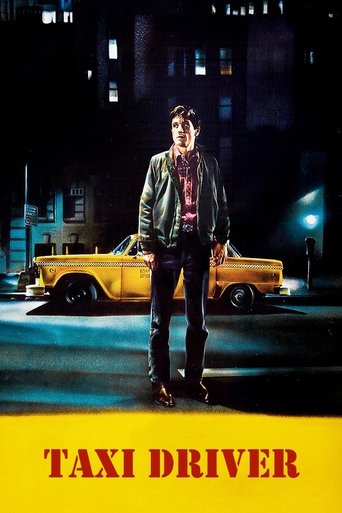
Taxi Driver 1976
God's Lonely Man and the Violence That Feels Like Salvation
Read the revelation →