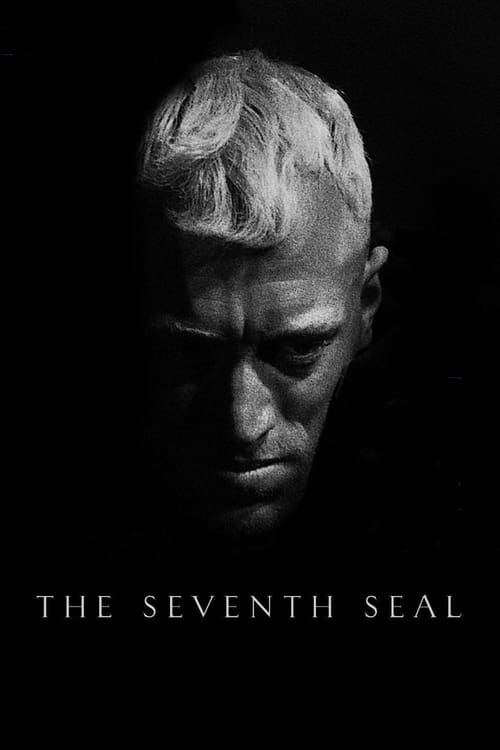
Antonius Block plays chess to buy time for one meaningful act. Death is honest, patient, inevitable. The real question: do you find something worth dying for?
The Seventh Seal is not a film about whether God exists. It is a film about a man who needs to perform one meaningful act before dying and is using a chess game with Death as a mechanism to buy time. Antonius Block has spent ten years in the Crusades looking for evidence of God. He found none. He returns to a plague-ravaged Sweden and discovers that the question of God's existence was the wrong question. The right question is whether he can do anything that matters in the remaining hours. Bergman is not a nihilist. He is showing what religious life looks like when belief has failed but meaning has not yet been abandoned.
The Surface
A medieval knight returns from the Crusades to find Sweden devastated by the plague. Death comes for him on the beach. He challenges Death to a chess game in exchange for time. He travels through the plague country with his squire, meeting actors, witches, plague processions, a young family. At the end he loses the game. Death takes him and the others. The young family alone escapes.
Bergman's father was a Lutheran minister. Bergman lost his faith and spent his career working out what was left. The Seventh Seal is the first major film of his maturity and the one that gave him international reputation. He wrote it during a hospital stay when he thought he might die. Watch it that way. It is a film by a man asking what he would want to have done if he had a week to do anything.
The famous image of the chess game with Death has been parodied so many times that audiences now meet it as cliché. Forget the parodies. Watch the actual scene. Death is patient, courteous, almost gentle. He is not the monster. He is the deadline. The knight is the one with the urgent question.
The Silence of God
Block prays in a church and confesses to a hooded figure who turns out to be Death. He says: 'I want knowledge. Not faith, not assumptions, but knowledge. I want God to put out his hand, show his face, speak to me.' He has spent ten years in the Crusades killing for a God who would not answer.
This is the precise spiritual condition the 20th century produced and the 12th century also knew. The believer who has performed the practices, suffered the costs, and received no response. The Gnostic tradition was born from this exact wound. The orthodox church told believers to wait, to trust, to assume the silence was the test. The Gnostics said: the silence is the answer, and the answer is that the God who is supposed to be speaking does not exist as advertised.
Block does not become a Gnostic. He remains in his question. Bergman's discipline is not to resolve it. The film refuses both atheism and orthodoxy. Block does not get an answer. He gets a chess game with Death. The chess game is not the answer either. It is the form of his unanswered question made playable.
This is what religious life looks like after the disenchantment of the world: the practices continue, the question persists, the cosmos does not respond, and the practitioner must decide what to do with the time anyway.
The One Meaningful Act
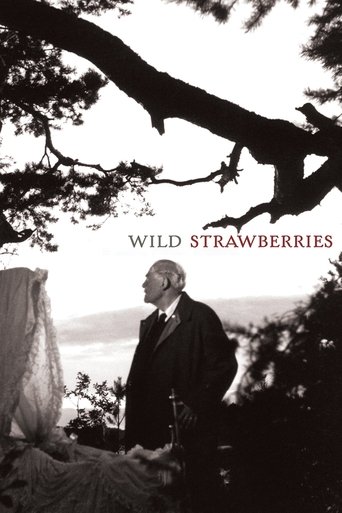
Block does not get his answer about God. But he does get an answer about meaning. He meets a young family — Jof, Mia, their infant son — performing as traveling players. They are joyful, foolish, sustained by love. He shares a bowl of wild strawberries with them on a hillside. He remembers being young and in love. He decides that this moment was real.
When Death finally takes him, Block uses the last move of his chess game to distract Death so that Jof and Mia and their child can escape. He loses the game on purpose. The act is small. It does not change the cosmos. It saves one family from a death they were going to receive that night.
This is the answer the film is making. In a cosmos that may not respond to prayer, the meaningful act is still available. The knight cannot make God speak. He can save one family. The act has weight because it is freely chosen, not because the universe will reward it.
Existentialism after the death of God arrived at the same conclusion. Meaning is constructed through choice. The choice does not become less meaningful because the cosmos does not vote. Block is one of the cleanest depictions of this position in cinema. He does not pretend he has solved the metaphysical question. He acts as if his life had to mean something anyway.
The Dance of Death
The final image is Death leading the knight, the squire, the smith, the actor, and the cleric in a dance across the horizon, silhouetted against the sky. Jof sees this from a distance. He describes it to Mia. He is the only one who survives to tell it.
Medieval Europe produced the Dance of Death iconography in response to the plague. Skeletons led people of every class — pope, king, peasant, child — in equal procession. The point of the image was not horror but instruction. Death levels everything. The ranks you defended in life mean nothing in the dance. The question is what you did before the dance came.
Bergman is reviving this iconography for the postwar audience. The 20th century had just produced two world wars and the bomb. The plague the film is set in is also the atomic plague the audience was waiting for. The question is the same medieval question. What have you done before the dance comes?
Block dies in the dance. He dies with the squire he loved as a friend. He dies in good company. The family he saved is watching. He has not solved the question of God. He has answered the question of his life. The chess game bought him enough time to do the one thing he needed to do.
The Transmission
The Seventh Seal transmits the precise structure of mature religious life after the failure of certainty. Bergman is not asking you to believe. He is showing you what a person who cannot believe but cannot abandon the question of meaning actually does with their days.
Watch the strawberries scene. Block sits on a hillside with Jof and Mia. He drinks milk. He says: 'I shall remember this moment. The silence, the twilight, the bowl of strawberries, the milk... I shall remember our words. And I shall hold this memory between my hands as carefully as a bowl filled with fresh milk.' The cinema rarely produces such precise depiction of what it feels like to be alive and to know it will end.
Anyone who has stopped believing but has not become cynical recognizes the film immediately. It is the cinema's most precise gift to the doubter who is still trying. Death is coming. The cosmos will not testify on your behalf. The strawberries are real. The family on the hill are real. The one meaningful act is still available. Bergman is teaching you what it looks like to use it.
Questions this film answers
What is the deeper meaning of The Seventh Seal?
The Seventh Seal is not a film about whether God exists. It is a film about a man who needs to perform one meaningful act before dying and is using a chess game with Death as a mechanism to buy time. Antonius Block has spent ten years in the Crusades looking for evidence of God. He found none. He returns to a plague-ravaged Sweden and discovers that the question of God's existence was the wrong question. The right question is whether he can do anything that matters in the remaining hours. Bergman is not a nihilist. He is showing what religious life looks like when belief has failed but meaning has not yet been abandoned.
What is the hidden symbolism in The Seventh Seal?
A medieval knight returns from the Crusades to find Sweden devastated by the plague. Death comes for him on the beach. He challenges Death to a chess game in exchange for time. He travels through the plague country with his squire, meeting actors, witches, plague processions, a young family. At the end he loses the game. Death takes him and the others. The young family alone escapes.
What esoteric traditions appear in The Seventh Seal?
The Seventh Seal draws from Initiation, Gnosticism traditions. Antonius Block plays chess to buy time for one meaningful act. Death is honest, patient, inevitable. The real question: do you find something worth dying for?
What does The Seventh Seal teach about the silence of god?
The Gnostic answer: the silence is the answer. The God who is supposed to be speaking does not exist as advertised. Block prays in a church and confesses to a hooded figure who turns out to be Death. He says: 'I want knowledge. Not faith, not assumptions, but knowledge. I want God to put out his hand, show his face, speak to me.' He has spent ten years in the Crusades killing for a God who would not answer.
What does The Seventh Seal teach about the one meaningful act?
The knight cannot make God speak. He can save one family. The act has weight because it is freely chosen. Block does not get his answer about God. But he does get an answer about meaning. He meets a young family — Jof, Mia, their infant son — performing as traveling players. They are joyful, foolish, sustained by love. He shares a bowl of wild strawberries with them on a hillside. He remembers being young and in love. He decides that this moment was real.
Is The Seventh Seal worth watching for spiritual seekers?
The Seventh Seal (1957) directed by Ingmar Bergman is essential viewing for those interested in Death, Meaning, Bergman. The Knight Who Plays for Meaning. It rewards multiple viewings and contemplation.
Rewatch With New Eyes
Now that you've seen the architecture, experience it again. The same film becomes a different film when you know what to watch for.
This time, watch for:
- Mark the threshold: the old self dies, the ordeal transforms, the new self returns
- Watch for the false world vs. the real — who is asleep, who awakens
Links may include affiliate partnerships that support Media Revelations
The Descent Continues
Where this thread leads next.
Stalker 1979
The Zone as Living Threshold
Read the revelation →