Milarepa
Milarepa Learns That the Black Magic Worked Perfectly, and That This Is the Catastrophe
Directed by Neten Chokling
A grieving boy studies sorcery to punish the aunt and uncle who robbed his family. The revenge succeeds completely. The film is about the debt that success creates.
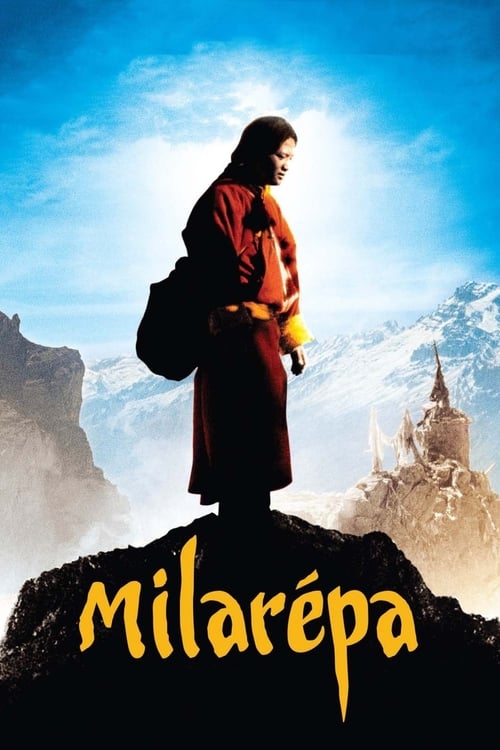
Neten Chokling, himself a recognized tulku, films the first half of Tibet's most famous saint's life, the part before sainthood, when Milarepa was a mass murderer. His father dies, his aunt and uncle seize the family's property and reduce his mother and sister to servants, and his mother sends him to learn black magic with a single instruction: make them pay. Milarepa masters it. He conjures a storm and collapses a house during a wedding feast, killing dozens, including relatives who were never his enemies. The film refuses the satisfaction the revenge plot promises. The magic does not fail, and it does not turn on him with poetic irony. It works exactly as intended, and the horror is precisely that. Milarepa gets what he asked for, and standing in the result, he understands he has bought himself a hell that no counter-spell can undo.
Buddhist Reading: Karma as the Only Law That Cannot Be Bribed
The film is a study of cause and effect with the abstraction removed. Buddhist teaching holds that intentional action seeds a result that must ripen, and that no power, magical or worldly, can cancel the ripening. Milarepa's sorcery is real power, and it changes nothing about this law. Every life he takes is a seed planted in his own ground. His mother's satisfaction at the news of the deaths is shown as its own poison, a second harvest of the same act.
The turn comes when Milarepa feels the weight of what he has done, not as fear of punishment but as genuine remorse for the beings he destroyed. This is the specific Buddhist hinge. Karma cannot be escaped, but it can be met and worked through by one who fully accepts it. His decision to seek a teacher and purify the deed is not an attempt to erase the debt. It is the recognition that the only way out of the consequence is straight through it, carried on the back of a remorse deep enough to fuel a lifetime of practice.
Initiation Reading: The Descent That Qualifies the Saint
Every real initiation requires a descent into the underworld, and Milarepa's crimes are his. The film covers what most hagiographies rush past, insisting that the saint was first the sinner, and that the depth of his later realization is measured by the depth of the pit he climbed out of. He does not begin pure and stay pure. He begins ordinary, is wounded into rage, does monstrous harm, and only then becomes capable of the transformation the tradition remembers him for.
The initiatory structure is precise. The wound is the theft of his inheritance. The false path is the black magic, power sought to answer powerlessness. The threshold guardian, in the larger story the film opens toward, is the master Marpa, who will refuse and abuse and exhaust the young man before teaching him, because a debt that heavy cannot be discharged by instruction alone. This film shows only the descent, the qualification, the making of the raw material. It ends where the ordeal of purification begins, having established the one thing the legend needs: that the light of Milarepa was earned out of a darkness he authored himself.
Questions this film answers
What is the deeper meaning of Milarepa?
Neten Chokling, himself a recognized tulku, films the first half of Tibet's most famous saint's life, the part before sainthood, when Milarepa was a mass murderer. His father dies, his aunt and uncle seize the family's property and reduce his mother and sister to servants, and his mother sends him to learn black magic with a single instruction: make them pay. Milarepa masters it. He conjures a storm and collapses a house during a wedding feast, killing dozens, including relatives who were never his enemies. The film refuses the satisfaction the revenge plot promises. The magic does not fail, and it does not turn on him with poetic irony. It works exactly as intended, and the horror is precisely that. Milarepa gets what he asked for, and standing in the result, he understands he has bought himself a hell that no counter-spell can undo.
What is the hidden symbolism in Milarepa?
The film is a study of cause and effect with the abstraction removed. Buddhist teaching holds that intentional action seeds a result that must ripen, and that no power, magical or worldly, can cancel the ripening. Milarepa's sorcery is real power, and it changes nothing about this law. Every life he takes is a seed planted in his own ground. His mother's satisfaction at the news of the deaths is shown as its own poison, a second harvest of the same act.
What esoteric traditions appear in Milarepa?
Milarepa draws from Buddhism, Initiation traditions. A grieving boy studies sorcery to punish the aunt and uncle who robbed his family. The revenge succeeds completely. The film is about the debt that success creates.
Is Milarepa worth watching for spiritual seekers?
Milarepa (2006) directed by Neten Chokling is essential viewing for those interested in Buddhism, Initiation. Milarepa Learns That the Black Magic Worked Perfectly, and That This Is the Catastrophe. It rewards multiple viewings and contemplation.
Rewatch With New Eyes
Now that you've seen the architecture, experience it again. The same film becomes a different film when you know what to watch for.
This time, watch for:
- See impermanence: what clings, what releases, what remains
- Mark the threshold: the old self dies, the ordeal transforms, the new self returns
Links may include affiliate partnerships that support Media Revelations
The Descent Continues
Where this thread leads next.
Little Buddha 1993
Little Buddha Answers the Question It Poses: How Can One Lama Be Reborn in Three Children at Once
Read the revelation →