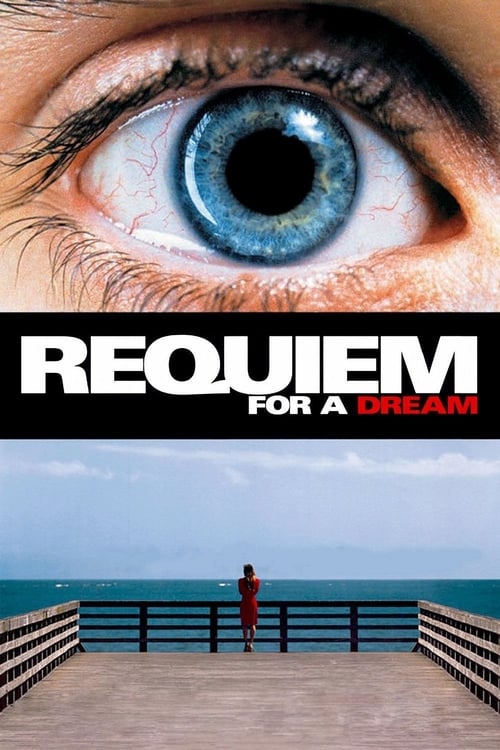
Requiem for a Dream
Four Descents and the American Dream as Possession
Directed by Darren Aronofsky
Requiem for a Dream is not an anti-drug film. It is a film about addiction as the structure of American desire itself. Sara's diet pills, Harry's heroin, Marion's degradation, Tyrone's hustle — all are feeding the same emptiness: the promise that something external will complete you. The refrigerator is the dealer. The television is the pusher. The American Dream is the drug.
Aronofsky's genius is showing that heroin addiction and television addiction and diet pill addiction and success addiction are the same underlying disease wearing different masks. Sara Goldfarb is not a counterpoint to the 'real' addicts — she is proof that the addiction is woven into the culture itself. The American Dream is the original dealer: the promise that if you just get the right thing, you will finally be complete.
The Surface
The standard reading: Requiem for a Dream is a cautionary tale about drug addiction. Watch what heroin does to these people. Say no to drugs. The split-screen, the rapid cuts, the mounting horror — all in service of scaring viewers straight.
This reading is true but shallow. If Aronofsky just wanted to show heroin destruction, he wouldn't have made Sara Goldfarb the emotional center of the film. Sara never touches heroin. Her descent is prescription diet pills, television, and the desperate desire to wear her red dress on a game show.
The film's structure tells the truth: four parallel descents into the same hell through four different doors. The substance varies. The mechanism is identical. Aronofsky is not making an anti-drug film. He is making a film about what addiction actually is — a spiritual condition that America mass-produces.
Sara and the Televised Dream
Sara Goldfarb is the key to the entire film. She is a lonely widow whose son steals her television to buy drugs. Her addiction is not illegal. Her addiction is the American Dream itself: the belief that appearing on television will make her life meaningful.
When she gets the call saying she might be on a game show, her world transforms. Suddenly she has a reason to live. Suddenly the future contains something. She begins dieting, then diet pills, then more diet pills, then amphetamines. Each escalation is medically sanctioned. She is following the rules.
The refrigerator scenes are the film's most precise horror. The appliance becomes a monster, growling, attacking, representing the hunger that cannot be satisfied. Sara is not hungry for food. She is hungry for meaning. The refrigerator is the symbol of an emptiness that no amount of consumption can fill.
Her hallucinations of the game show coming to life — the audience invading her apartment, the host mocking her — are possession made visible. The American Dream has entered her and is now wearing her body. She didn't fail the dream. The dream consumed her exactly as designed.
The Four Descents
Harry, Marion, and Tyrone represent different relationships to addiction, but all are seeking the same thing: the feeling that they are finally enough. Harry wants to be a successful businessman. Marion wants to be a respected designer. Tyrone wants to escape poverty and make his mother proud. The heroin is not the point — it is the shortcut.
Each of them begins with a plan: use drugs to fund the dream, then stop using once the dream is achieved. This is the addict's central delusion — that they are in control, that the substance is serving them, that they can stop whenever they want. The film shows how the substance slowly becomes the master.
Marion's descent is particularly brutal because it involves surrendering dignity in stages. First she sleeps with her therapist for money. Then the bigger degradation. Each step is 'just this once' until she is someone she would not have recognized a year ago. The drug didn't change her values — it revealed that her values were always negotiable.
Tyrone's arc connects individual addiction to systemic racism. His dreams are the American Dream sold specifically to Black Americans: success as proof of worth, wealth as escape from oppression. The system that created his hunger also sells the poison that promises to satisfy it.
Summer, Fall, Winter
The film's three-act structure — Summer, Fall, Winter — is liturgical. It follows the death of the year, the death of hope, the death of the body. Each season brings escalation. The cuts get faster. The split-screens multiply. The score (by Clint Mansell and the Kronos Quartet) builds toward unbearable intensity.
Summer is possibility. Everyone's dreams still seem achievable. The heroin use is recreational. Sara's diet is working. The future is bright. This is the hook — the period where the addiction genuinely delivers on its promises.
Fall is the turn. The supply dries up. The pills stop working. The dreams start requiring more extreme measures to maintain. This is the phase where the addict realizes they are no longer using the drug — the drug is using them — but cannot stop anyway.
Winter is annihilation. The four descents reach their endpoints simultaneously in a montage of parallel destruction: Harry loses his arm, Marion loses her dignity, Tyrone loses his freedom, Sara loses her mind. The American Dream has taken everything from them, exactly as it was designed to do.
The Transmission
Requiem for a Dream is almost unwatchable — and that is the point. Aronofsky uses cinema's power to create visceral experience, forcing the viewer to feel addiction's descent rather than merely observe it. The technique is the message.
The film ends with all four characters in fetal positions — in prison, in hospital, in prostitution, in catatonia. They have returned to the womb, but it is a womb of destruction. The dream promised rebirth. It delivered regression. This is addiction's final truth: it promises to complete you and instead erases you.
Sara's final smile — lobotomized, imagining herself on television, finally 'happy' — is the most horrifying image in the film. She got what she wanted. She is on the show. She is wearing the red dress. Her son is there, proud of her. The dream came true. It required only that she no longer be a person.
The American Dream is the film's true subject. Every character is addicted to the promise that something external will fill the hole inside them. The substances differ — heroin, pills, success, money, fame — but the structure is identical. Aronofsky is not warning us about drugs. He is showing us that we are already addicted to the culture that produces the drugs.
Questions this film answers
What is the deeper meaning of Requiem for a Dream?
Aronofsky's genius is showing that heroin addiction and television addiction and diet pill addiction and success addiction are the same underlying disease wearing different masks. Sara Goldfarb is not a counterpoint to the 'real' addicts — she is proof that the addiction is woven into the culture itself. The American Dream is the original dealer: the promise that if you just get the right thing, you will finally be complete.
What is the hidden symbolism in Requiem for a Dream?
The standard reading: Requiem for a Dream is a cautionary tale about drug addiction. Watch what heroin does to these people. Say no to drugs. The split-screen, the rapid cuts, the mounting horror — all in service of scaring viewers straight.
What esoteric traditions appear in Requiem for a Dream?
Requiem for a Dream draws from Jungian, Gnosticism, Initiation traditions. Requiem for a Dream is not an anti-drug film. It is a film about addiction as the structure of American desire itself. Sara's diet pills, Harry's heroin, Marion's degradation, Tyrone's hustle — all are feeding the same emptiness: the promise that something external will complete you. The refrigerator is the dealer. The television is the pusher. The American Dream is the drug.
What does Requiem for a Dream teach about sara and the televised dream?
Sara is not hungry for food. She is hungry for meaning. The refrigerator is the symbol of an emptiness that no amount of consumption can fill. Sara Goldfarb is the key to the entire film. She is a lonely widow whose son steals her television to buy drugs. Her addiction is not illegal. Her addiction is the American Dream itself: the belief that appearing on television will make her life meaningful.
What does Requiem for a Dream teach about the transmission?
Every character is addicted to the promise that something external will fill the hole inside them. The American Dream is the original dealer. Requiem for a Dream is almost unwatchable — and that is the point. Aronofsky uses cinema's power to create visceral experience, forcing the viewer to feel addiction's descent rather than merely observe it. The technique is the message.
Is Requiem for a Dream worth watching for spiritual seekers?
Requiem for a Dream (2000) directed by Darren Aronofsky is essential viewing for those interested in Addiction, Possession, Shadow. Four Descents and the American Dream as Possession. It rewards multiple viewings and contemplation.
Rewatch With New Eyes
Now that you've seen the architecture, experience it again. The same film becomes a different film when you know what to watch for.
This time, watch for:
- Meet the shadow: what is rejected, projected, and finally integrated
- Watch for the false world vs. the real — who is asleep, who awakens
- Mark the threshold: the old self dies, the ordeal transforms, the new self returns
Links may include affiliate partnerships that support Media Revelations