Suicide Club
Suicide Club Asks If You Are Connected to Yourself, and Most of Japan Fails the Test
Directed by Sion Sono
Fifty-four schoolgirls hold hands, count to three, and jump in front of the Tokyo rush-hour train. Sion Sono spends the rest of the film refusing to give you a villain to blame.
Sono opens with the single most efficient image of collective madness in Japanese cinema: a smiling row of teenagers, arms linked at the platform edge of Shinjuku station, stepping together into the express. Blood sprays the commuters. A detective named Kuroda chases a conspiracy that seems to point at Dessert, a bubblegum girl-group whose songs may contain coded instructions, and at a website where red and white dots appear before each death, tallying the toll in advance. But the film keeps dissolving every explanation it offers. There is no cult with a leader. The pop group is a symptom, not a cause. The real question is delivered by a child on a phone line who keeps asking the arrested culprit a question he cannot answer: "What is your connection to yourself?" This is not a mystery about who is killing the young of Japan. It is a diagnosis of a civilization that has outsourced its own interior to the network, and a demonstration of what happens when the outsourcing completes.
Gnostic Reading: The Roll of Skin Is the Body You Forgot You Were Wearing
Gnosticism holds that the world is a counterfeit, and that most people sleepwalk through it as automata, their true spark buried under borrowed identity. Sono literalizes this. In a bowling alley, the police find a stitched roll of human skin, strips harvested from each suicide, sewn into a single long ribbon. The message is grotesque and exact: these people were all wearing the same skin, interchangeable, a single garment cut into pieces. They died the moment they became replaceable, and jumping was only the paperwork.
The children who run the deeper game interrogate the caught man, Genesis, and dismiss him. He is a poseur, a glam-rock nihilist in a bowling-alley lair who tortures people while singing, and the kids reject him precisely because he is derivative, another borrowed skin. Gnosis here arrives as the shocking recognition that you have been an image of yourself, forwarded and reposted, for years, and that the recognition comes too late to be worth anything. The website's dots do not cause the deaths. They report a disconnection that has already happened. The counterfeit self can be counted before it dies because it was never singular to begin with.
Buddhist Reading: A Nation That Mistook Attachment for Connection
The Buddhist analysis of suffering begins with attachment, and with the illusion that clinging to forms constitutes intimacy. Sono's Japan is drowning in connection: phones, message boards, pop fandom, the linked hands themselves. Yet none of it is relationship. The linked hands at the station are the film's bitter koan. The image of union is also the image of mass death. To hold on, here, is to be pulled under together.
The child asks the question again and again because it is the only teaching offered without irony: your connection to your family, your lover, your friend is meaningless if you are not connected to yourself first. The one girl who survives, Mitsuko, is asked the question and does not immediately die. She is released, uncertain, into an ordinary evening, and the credits play over Dessert performing to an empty theater. Liberation, when it finally appears, wears no glow of enlightenment. It is only the small, terrifying possibility of standing alone in your own skin without needing the crowd to jump with you. The film refuses to promise she made it. It only promises she was asked.
Questions this film answers
What is the deeper meaning of Suicide Club?
Sono opens with the single most efficient image of collective madness in Japanese cinema: a smiling row of teenagers, arms linked at the platform edge of Shinjuku station, stepping together into the express. Blood sprays the commuters. A detective named Kuroda chases a conspiracy that seems to point at Dessert, a bubblegum girl-group whose songs may contain coded instructions, and at a website where red and white dots appear before each death, tallying the toll in advance. But the film keeps dissolving every explanation it offers. There is no cult with a leader. The pop group is a symptom, not a cause. The real question is delivered by a child on a phone line who keeps asking the arrested culprit a question he cannot answer: "What is your connection to yourself?" This is not a mystery about who is killing the young of Japan. It is a diagnosis of a civilization that has outsourced its own interior to the network, and a demonstration of what happens when the outsourcing completes.
What is the hidden symbolism in Suicide Club?
Gnosticism holds that the world is a counterfeit, and that most people sleepwalk through it as automata, their true spark buried under borrowed identity. Sono literalizes this. In a bowling alley, the police find a stitched roll of human skin, strips harvested from each suicide, sewn into a single long ribbon. The message is grotesque and exact: these people were all wearing the same skin, interchangeable, a single garment cut into pieces. They died the moment they became replaceable, and jumping was only the paperwork.
What esoteric traditions appear in Suicide Club?
Suicide Club draws from Gnosticism, Buddhism traditions. Fifty-four schoolgirls hold hands, count to three, and jump in front of the Tokyo rush-hour train. Sion Sono spends the rest of the film refusing to give you a villain to blame.
Is Suicide Club worth watching for spiritual seekers?
Suicide Club (2001) directed by Sion Sono is essential viewing for those interested in Gnosticism, Buddhism. Suicide Club Asks If You Are Connected to Yourself, and Most of Japan Fails the Test. It rewards multiple viewings and contemplation.
Rewatch With New Eyes
Now that you've seen the architecture, experience it again. The same film becomes a different film when you know what to watch for.
This time, watch for:
- Watch for the false world vs. the real — who is asleep, who awakens
- See impermanence: what clings, what releases, what remains
Links may include affiliate partnerships that support Media Revelations
The Descent Continues
Where this thread leads next.
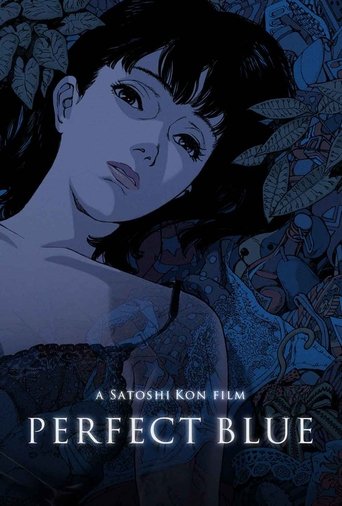
Perfect Blue 1997
The First Horror Film About What Social Media Does to Identity
Read the revelation →