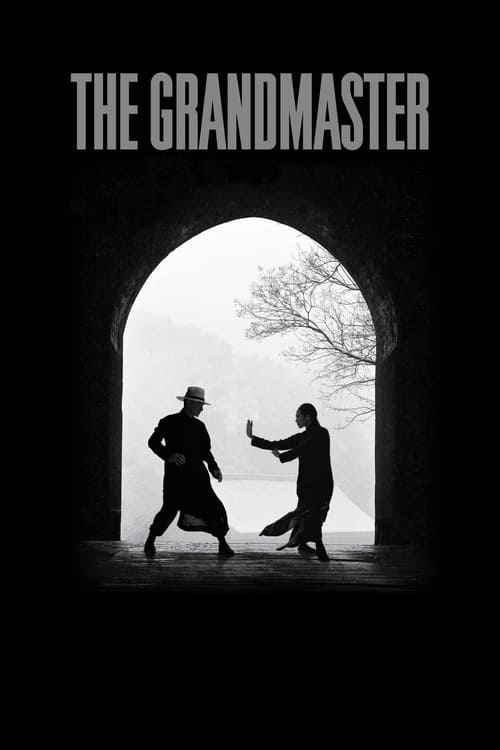
The Grandmaster
The Grandmaster Is About the Woman Who Mastered the Art and Buried It With Herself
Directed by Wong Kar-Wai
Wong Kar-Wai made a kung-fu epic about Ip Man and then quietly handed the film's soul to Gong Er, who wins everything and keeps none of it.
The film is sold as the story of Ip Man, the Wing Chun master who would later teach Bruce Lee, moving from prosperous Foshan through the Japanese occupation to poverty in Hong Kong. But Wong Kar-Wai is not interested in the linear rise of a legend. He is interested in what is lost. The real center of the film is Gong Er, daughter of a northern grandmaster, who defeats Ip Man in a duel that is closer to courtship, then avenges her father against the traitor Ma San, and in doing so takes a vow that ends her own lineage. She wins the fight of her life on a snowbound railway platform and forfeits everything the victory was for. The film's true subject is not the transmission of an art. It is the deliberate refusal to transmit, and the cost of carrying a mastery to the grave.
Buddhism Reading: The Vow That Extinguishes the Flame on Purpose
To avenge her father, Gong Er takes monastic vows: she will never marry, never continue the family school, never teach the 64 Hands, the technique that is her family's crown. She keeps the vow absolutely. In her final meeting with Ip Man, near death and addicted to opium, she tells him that she has taken the art with her, that the 64 Hands will die when she does, and she does not regret it.
This is the Buddhist recognition of impermanence pushed to its severest edge. Everything conditioned passes, every lineage ends, every flame gutters. Gong Er does not fight this truth. She embraces it and administers it to herself, choosing extinction over continuation, refusing to let the art outlive the honor it was bound to. Wong frames her whole later life as a slow snuffing, the opium, the withdrawal, the deliberate closing of every door. She achieves a terrible kind of peace, the peace of one who has stopped grasping even at her own legacy. The film mourns her and refuses to correct her, because within the logic she chose, she is right.
Alchemy Reading: The Gold That Is Made and Never Spent
Alchemy's whole promise is transmutation into gold, the base self refined into the incorruptible. Gong Er completes the operation. Her duel with Ma San on the frozen platform, snow falling, train roaring past, is the culminating coagulation of a lifetime of training, the moment her art reaches its perfected form. She is, in that instant, gold. The transmutation is complete.
And then she seals the gold in a vault and throws away the key. She has confused perfecting the work with being permitted to keep it. The northern art of the Gong family reaches its highest expression in her body and then is denied any vessel to pour into. Ip Man, by contrast, is the alchemist who understands that gold exists to circulate: he loses Foshan, loses his wealth, loses his family, and gives the art away in a Hong Kong back room to whoever will learn, and through that spending Wing Chun spreads across the world. The film sets the two paths side by side without judging. Gong Er's refined gold is more beautiful and it dies with her. Ip Man's is scattered and it lives. The alchemy was never only about making the gold. It was about whether you could bear to let it go.
Questions this film answers
What is the deeper meaning of The Grandmaster?
The film is sold as the story of Ip Man, the Wing Chun master who would later teach Bruce Lee, moving from prosperous Foshan through the Japanese occupation to poverty in Hong Kong. But Wong Kar-Wai is not interested in the linear rise of a legend. He is interested in what is lost. The real center of the film is Gong Er, daughter of a northern grandmaster, who defeats Ip Man in a duel that is closer to courtship, then avenges her father against the traitor Ma San, and in doing so takes a vow that ends her own lineage. She wins the fight of her life on a snowbound railway platform and forfeits everything the victory was for. The film's true subject is not the transmission of an art. It is the deliberate refusal to transmit, and the cost of carrying a mastery to the grave.
What is the hidden symbolism in The Grandmaster?
To avenge her father, Gong Er takes monastic vows: she will never marry, never continue the family school, never teach the 64 Hands, the technique that is her family's crown. She keeps the vow absolutely. In her final meeting with Ip Man, near death and addicted to opium, she tells him that she has taken the art with her, that the 64 Hands will die when she does, and she does not regret it.
What esoteric traditions appear in The Grandmaster?
The Grandmaster draws from Buddhism, Alchemy traditions. Wong Kar-Wai made a kung-fu epic about Ip Man and then quietly handed the film's soul to Gong Er, who wins everything and keeps none of it.
Is The Grandmaster worth watching for spiritual seekers?
The Grandmaster (2013) directed by Wong Kar-Wai is essential viewing for those interested in Buddhism, Alchemy. The Grandmaster Is About the Woman Who Mastered the Art and Buried It With Herself. It rewards multiple viewings and contemplation.
Rewatch With New Eyes
Now that you've seen the architecture, experience it again. The same film becomes a different film when you know what to watch for.
This time, watch for:
- See impermanence: what clings, what releases, what remains
- Track the stages: blackening, whitening, reddening — death before rebirth
Links may include affiliate partnerships that support Media Revelations
The Descent Continues
Where this thread leads next.
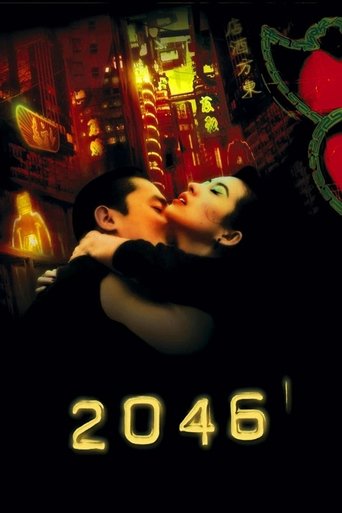
2046 2004
2046 Is the Realm You Enter When You Refuse to Finish Grieving
Read the revelation →