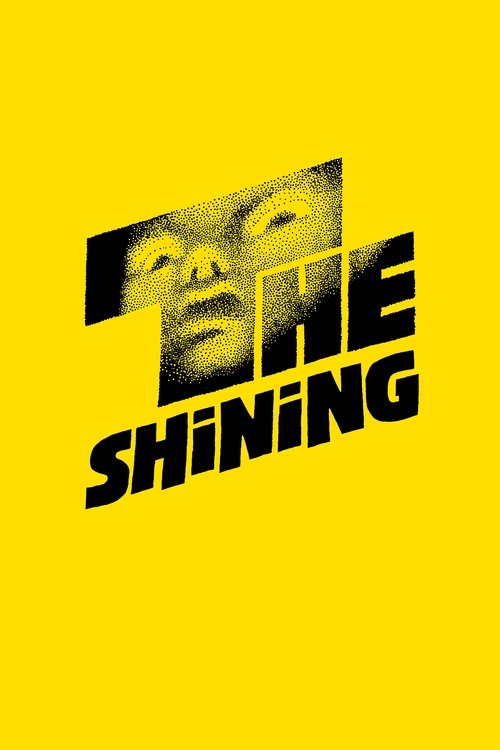
The Overlook is a memory field where every act of violence was absorbed into architecture. Jack becomes permeable to its history. The hedge maze is the labyrinth of the unconscious.
The Shining is not a haunted hotel film. It is Kubrick's diagnosis of how violence persists — not as memory, but as field. The Overlook is a recording device built from human suffering, and Jack Torrance is the tuning fork it has been waiting for. The horror is not that ghosts return. The horror is that Jack was always already the man in the photograph. Every man in that photograph. The hotel does not corrupt him. It reveals him.
The Surface
A writer takes a job as winter caretaker of an isolated hotel. Isolation, alcoholism, and supernatural presence drive him to attempt to murder his family. His son survives. The hotel is shown to have always claimed him, in a photograph dated 1921.
This reading treats The Shining as a ghost story with psychological flourishes. Kubrick spent a year shooting single scenes. He built sets that disobey their own geometry. He composed every frame symmetrically and then placed objects that break the symmetry. None of this is in service of a haunted hotel narrative.
Kubrick is making a film about how evil persists across time — not through curses or possession, but through architecture, repetition, and the porousness of certain human beings to what was done in the rooms before them.
The Overlook as Memory Field
In shamanic traditions, places hold the imprint of what happened in them. Battlefields stay angry. Sites of ritual stay charged. The Overlook is built on a Native American burial ground — Kubrick foregrounds this casually, then never mentions it again. The point is not that the dead want revenge. The point is that the land was a recording medium long before the hotel was a recording medium.
Every wrong committed at the Overlook stays at the Overlook. The previous caretaker who murdered his family. The 1920s elite who danced in the Gold Room while empire was being built on bodies. The hotel does not contain these as ghosts. It contains them as patterns waiting for a body permeable enough to channel them.
Danny's shining is not extra-sensory perception. It is the capacity to perceive what is already there in the field. Halloran tells him: 'A lot of things happened in this hotel over the years, and not all of 'em was good.' The shining doesn't summon. It tunes.
Jack tunes too. He just doesn't know he is tuning.
Jack as Shadow Vessel
Jack Torrance enters the Overlook already broken. He has hurt his son and lied about it. He has wanted to drink for five months and resented every sober minute. He arrives at the interview performing competence over the fault line of his own rage.
The Shadow is what we refuse to acknowledge in ourselves. Jack's Shadow is enormous and active. He does not integrate it. He does not even look at it. He has built a fragile persona of 'writer,' 'husband,' 'father,' and stuffed everything else into a closet that the Overlook will helpfully open.
When Lloyd the bartender appears, Jack does not seem surprised. He talks to him like an old friend. This is the moment the film usually reads as 'becoming possessed.' It is the opposite. Lloyd is not entering Jack. Jack is finally meeting himself without the costume on. 'White man's burden,' he says, accepting his drink. The casual cruelty was always there.
Grady, in the bathroom, instructs Jack to 'correct' his family. Jack agrees because he wants to. The hotel is not making him want anything. It is offering scaffolding for what he has always wanted but never let himself say.
The Hedge Maze and the Labyrinth
Outside the hotel: a hedge maze. Inside the hotel: a labyrinth of corridors with impossible geometry — windows where there cannot be windows, hallways longer than the building. Kubrick is staging two versions of the same structure.
In initiation mysteries, the labyrinth is the threshold. You enter as one self and exit as another, or you exit as the same self having failed the rite. The maze does not change. You do.
Danny enters the maze. He plays in it with his mother. He learns its turns. When his father pursues him with an axe, Danny enters the maze again — this time consciously. He walks backwards in his own footprints to confuse Jack and steps out the other side. Jack follows the prints in. He cannot find his way out. He freezes in the labyrinth he could not navigate because he had no consciousness of his own path.
Danny passes the initiation. Jack fails it. The labyrinth distinguishes who can walk it from who cannot.
The Photograph
The final shot is the most discussed image in Kubrick's filmography. Jack Torrance is in a 1921 photograph at the Overlook's July 4th Ball, smiling among a crowd.
Read literally, this is impossible. Read symbolically, this is the architecture of the film. Jack did not become the man in the photograph. He was always the man in the photograph. The Overlook was not waiting to corrupt a writer in 1980. It was waiting for the latest incarnation of a recurring pattern.
This is the doctrine of eternal return rendered in still image. The bodies change. The pattern repeats. Every empire requires its caretakers, its enablers, its men willing to maintain order through violence inside the kept space. Jack is one of many. The Overlook will have another.
Kubrick is not warning us about haunted hotels. He is suggesting that we live in a society of overlooks, and that some of us are already in the photograph.
The Transmission
Watching The Shining does not feel like watching a horror film. It feels like watching something that knows you are watching it. The camera tracks behind Danny on his tricycle, hovering just above the floor, neither human nor ghost. The audio is constantly wrong — heartbeat synthesizers, dissonant strings, breath where there should be silence.
Kubrick understood that the field he was depicting could only be transmitted by inducing it. The film puts the viewer into the same permeable state Jack is in — pattern-sensing, frame-counting, certain that something is just out of view in every shot. You start seeing things. You start reading the carpet.
This is the film working as designed. The Overlook is not on the screen. The Overlook is the experience of watching The Shining. You leave the theater carrying something you cannot quite locate. That is the haunting. The hotel got out.
Questions this film answers
What is the deeper meaning of The Shining?
The Shining is not a haunted hotel film. It is Kubrick's diagnosis of how violence persists — not as memory, but as field. The Overlook is a recording device built from human suffering, and Jack Torrance is the tuning fork it has been waiting for. The horror is not that ghosts return. The horror is that Jack was always already the man in the photograph. Every man in that photograph. The hotel does not corrupt him. It reveals him.
What is the hidden symbolism in The Shining?
A writer takes a job as winter caretaker of an isolated hotel. Isolation, alcoholism, and supernatural presence drive him to attempt to murder his family. His son survives. The hotel is shown to have always claimed him, in a photograph dated 1921.
What esoteric traditions appear in The Shining?
The Shining draws from Jungian, Shamanism traditions. The Overlook is a memory field where every act of violence was absorbed into architecture. Jack becomes permeable to its history. The hedge maze is the labyrinth of the unconscious.
What does The Shining teach about the overlook as memory field?
The hotel does not contain ghosts. It contains patterns waiting for a body permeable enough to channel them. In shamanic traditions, places hold the imprint of what happened in them. Battlefields stay angry. Sites of ritual stay charged. The Overlook is built on a Native American burial ground — Kubrick foregrounds this casually, then never mentions it again. The point is not that the dead want revenge. The point is that the land was a recording medium long before the hotel was a recording medium.
What does The Shining teach about jack as shadow vessel?
Jack is not being possessed. He is finally meeting himself without the costume on. Jack Torrance enters the Overlook already broken. He has hurt his son and lied about it. He has wanted to drink for five months and resented every sober minute. He arrives at the interview performing competence over the fault line of his own rage.
Is The Shining worth watching for spiritual seekers?
The Shining (1980) directed by Stanley Kubrick is essential viewing for those interested in Memory Field, Labyrinth, Kubrick. The Overlook as Living Memory Field. It rewards multiple viewings and contemplation.
Rewatch With New Eyes
Now that you've seen the architecture, experience it again. The same film becomes a different film when you know what to watch for.
This time, watch for:
- Meet the shadow: what is rejected, projected, and finally integrated
- Follow the descent: what dies, what guides, what returns transformed
Links may include affiliate partnerships that support Media Revelations
The Descent Continues
Where this thread leads next.
2001: A Space Odyssey 1968
The Alchemical Ascent of Consciousness
Read the revelation →