The most faithful depiction of Gnostic cosmological betrayal in any medium. Griffith's transformation is the fall of the Demiurge. The Behelit is the anti-grail. Guts refuses transcendence: the human who fights.
Berserk is the most complete depiction of Gnostic cosmology in any narrative medium — not as allegory but as lived architecture. The God Hand are not villains. They are Archons: rulers of a prison-world who offer transcendence at the price of everything human. Griffith's ascension is not a fall from grace. It is the fulfillment of a cosmic trap that was always there, waiting. And Guts — the one who survives the Eclipse, who refuses the bargain — becomes the impossible figure: a human being who fights the gods without becoming one.
The Surface
Most readings of Berserk stop at 'dark fantasy.' A medieval world full of demons. A man with a big sword seeking revenge. Friendship betrayed. These readings aren't wrong — they're incomplete. They describe the furniture without noticing the architecture of the house.
Kentaro Miura spent 32 years building something that operates on multiple levels simultaneously. On the surface: a mercenary band, political intrigue, a charismatic leader. One layer down: the oldest story there is — the trusted friend who sells everyone for power. But beneath that: a complete Gnostic cosmology that explains why the betrayal had to happen, what Griffith actually became, and what it costs to remain human in a world ruled by forces that see humanity as fuel.
The question Berserk asks isn't 'Why did Griffith do it?' The question is: 'What kind of cosmos makes Griffith's choice inevitable — and what does it mean that Guts refuses?'
The God Hand as Archons
In Gnostic cosmology, the material world is ruled by Archons — cosmic powers who keep humanity trapped in ignorance, harvesting their suffering for purposes humans cannot comprehend. The Archons are not evil in the human sense. They are the administrators of a prison that humans mistake for the whole of reality.
The God Hand are Archons. Void, Slan, Ubik, Conrad, and eventually Femto — five fingers of a hand that shapes causality itself. They do not intervene in human affairs out of cruelty. They intervene because human desire, human ambition, human suffering is the raw material they require. Every 216 years, the Eclipse occurs. The ritual demands a sacrifice. Someone with a Behelit — someone whose ambition has grown so large it has become a kind of gravity — offers everything they love in exchange for transcendence.
This is not metaphor. The Eclipse is the machinery of the Gnostic cosmos made visible. The dimension the God Hand inhabits, with its impossible geometries and screaming faces embedded in the walls, is the realm beyond the material — not heaven, but the administrative layer of the prison.
The Behelit as Anti-Grail
The Holy Grail calls the worthy to transcendence through sacrifice of the ego. The Behelit calls the ambitious to transcendence through sacrifice of everyone else. Same structure, inverted polarity.
Griffith's crimson Behelit — the Egg of the King — activates at his lowest moment. Broken in body, unable to speak, unable to hold a sword, having lost everything he built. The Behelit doesn't respond to evil. It responds to a specific frequency of desperation combined with a specific magnitude of dream. Griffith wanted his own kingdom more than he wanted anything — including the people who made the wanting bearable.
The moment the Behelit opens its eyes, Griffith is not choosing evil. He is completing a transaction that began the moment he first picked it up. The Behelit found him because he was always going to say yes. Causality in Berserk is not determinism — it is gravity. You can resist. But the God Hand builds their church out of people who can't.
Griffith's Ascension
When Griffith becomes Femto, he does not 'turn evil.' He transcends the human entirely. The rape of Casca in front of Guts is not cruelty — it is the final severance. Femto is demonstrating to himself that the bonds which once held Griffith no longer apply. The act is monstrous precisely because it is performed without passion, without hatred, almost without interest. It is a signature on a contract, written in the bodies of the people who loved him.
This is the Gnostic warning made flesh: transcendence offered by the Archons is not liberation. It is promotion within the prison hierarchy. Femto gains power over causality. He loses the capacity to be touched by anything human. He becomes exactly what the God Hand needed him to become — another finger, another administrator, another force that will someday activate another Behelit in another desperate dreamer.
Griffith's kingdom, Falconia — the utopia he eventually builds — is the final proof. A perfect city, protected by apostles, beloved by its citizens. And every stone paid for with the Eclipse. The Gnostic Demiurge always believes he is building paradise. He cannot see that the paradise is a more sophisticated cell.
Guts: The Human Who Fights
If Griffith is the one who accepts the bargain, Guts is the one who refuses — not through virtue but through a different kind of wound. Guts was never capable of Griffith's dream. Born from a corpse, raised by mercenaries, sold as a child, violated, left for dead. He never developed the capacity to want a kingdom. He only learned to want to survive, and eventually, to want to stay near the people who made survival feel like something other than mere continuation.
The Brand of Sacrifice marks Guts as property of the God Hand — a beacon that draws apostles and demons every night. But the Brand does something else: it makes Guts visible to the architecture. He can see the layers. He knows the prison is a prison. In Gnostic terms, he has received gnosis — not through meditation or teaching, but through trauma. The Eclipse was his red pill.
Guts' journey after the Eclipse is not revenge. Revenge is the surface reading. His actual trajectory is the integration of the shadow — the Jungian process of incorporating the darkest parts of the psyche without being consumed by them. The Beast of Darkness that lives inside him, that whispers to let go, to become the monster that the world already treats him as — this is his shadow given form. Every night he chooses not to surrender to it. Every night the choice costs more.
The Transmission
Berserk is not entertainment. It is a survival manual for people who have seen behind the curtain and have to keep living anyway.
The cosmos Miura built is not nihilistic — it is honest about the weight of certain truths. Yes, there are forces beyond human comprehension that harvest human suffering. Yes, the people you trust most may sacrifice you if their dream is large enough. Yes, the world rewards those who make the bargain and punishes those who refuse. None of this is a reason to stop fighting.
Guts continues. Not because he will win — the God Hand cannot be killed by human hands. Not because he has hope — hope is a luxury for people who haven't seen the Eclipse. He continues because continuing is the only response to a rigged cosmos that doesn't involve becoming part of the rigging. The human who fights the gods without becoming one is the only free being in the entire structure.
This is the transmission: You may not win. The forces are real. The cost is real. Keep going anyway. Not because the universe rewards persistence — it doesn't. Because the alternative is becoming Griffith. And some prices are too high even when they purchase everything you ever wanted.
Questions this film answers
What is the deeper meaning of Berserk?
Berserk is the most complete depiction of Gnostic cosmology in any narrative medium — not as allegory but as lived architecture. The God Hand are not villains. They are Archons: rulers of a prison-world who offer transcendence at the price of everything human. Griffith's ascension is not a fall from grace. It is the fulfillment of a cosmic trap that was always there, waiting. And Guts — the one who survives the Eclipse, who refuses the bargain — becomes the impossible figure: a human being who fights the gods without becoming one.
What is the hidden symbolism in Berserk?
Most readings of Berserk stop at 'dark fantasy.' A medieval world full of demons. A man with a big sword seeking revenge. Friendship betrayed. These readings aren't wrong — they're incomplete. They describe the furniture without noticing the architecture of the house.
What esoteric traditions appear in Berserk?
Berserk draws from Gnosticism, Jungian traditions. The most faithful depiction of Gnostic cosmological betrayal in any medium. Griffith's transformation is the fall of the Demiurge. The Behelit is the anti-grail. Guts refuses transcendence: the human who fights.
What does Berserk teach about the god hand as archons?
The God Hand are not villains. They are Archons: administrators of a prison that humans mistake for the whole of reality. In Gnostic cosmology, the material world is ruled by Archons — cosmic powers who keep humanity trapped in ignorance, harvesting their suffering for purposes humans cannot comprehend. The Archons are not evil in the human sense. They are the administrators of a prison that humans mistake for the whole of reality.
What does Berserk teach about the behelit as anti-grail?
The Behelit doesn't respond to evil. It responds to a specific frequency of desperation combined with a specific magnitude of dream. The Holy Grail calls the worthy to transcendence through sacrifice of the ego. The Behelit calls the ambitious to transcendence through sacrifice of everyone else. Same structure, inverted polarity.
What does Berserk teach about guts: the human who fights?
Guts received gnosis not through meditation or teaching, but through trauma. The Eclipse was his red pill. If Griffith is the one who accepts the bargain, Guts is the one who refuses — not through virtue but through a different kind of wound. Guts was never capable of Griffith's dream. Born from a corpse, raised by mercenaries, sold as a child, violated, left for dead. He never developed the capacity to want a kingdom. He only learned to want to survive, and eventually, to want to stay near the people who made survival feel like something other than mere continuation.
Is Berserk worth watching for spiritual seekers?
Berserk (1997) directed by Kentaro Miura is essential viewing for those interested in Gnosticism, Demiurge, Anti-Grail. The Eclipse as Gnostic Betrayal. It rewards multiple viewings and contemplation.
Rewatch With New Eyes
Now that you've seen the architecture, experience it again. The same film becomes a different film when you know what to watch for.
This time, watch for:
- Watch for the false world vs. the real — who is asleep, who awakens
- Meet the shadow: what is rejected, projected, and finally integrated
Links may include affiliate partnerships that support Media Revelations
The Descent Continues
Where this thread leads next.
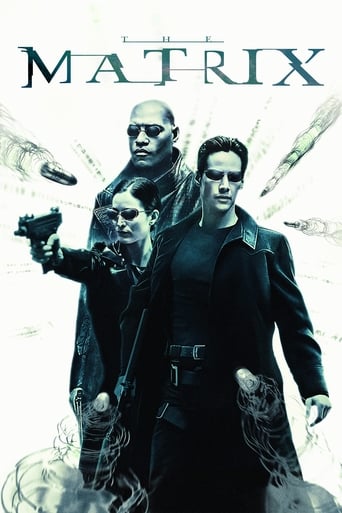
The Matrix 1999
The Gnostic Gospel of the Machine Age
Read the revelation →