The ceremony at Somerton is the distraction from the real revelation. Kubrick's subject is the ritual of marriage: mutual dreaming, fidelity as shared trance. The password is 'Fidelio' — faithfulness to the illusion.
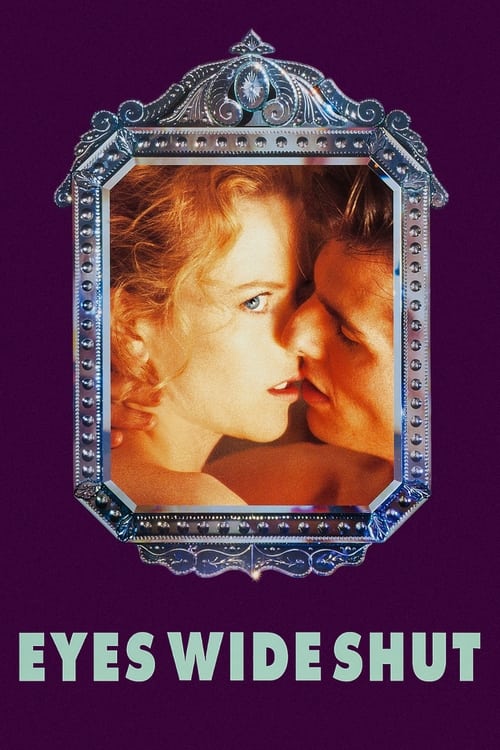
Eyes Wide Shut is not about elite sex cults. The orgy at Somerton is the decoy — the spectacle that distracts from the real initiation. Kubrick's actual subject is marriage itself: the ritual trance that two people maintain by agreeing not to see each other. The password is 'Fidelio' — faithfulness. But faithful to what? To the shared illusion that makes intimacy bearable. Bill's night journey through New York is the dream of a man who has glimpsed his wife's inner life and cannot unsee it. Eyes Wide Shut is what marriage looks like from the inside: two people with their eyes wide shut.
The Surface
Dr. Bill Harford and his wife Alice attend a Christmas party. They flirt with other people. They go home. Alice confesses a sexual fantasy about another man — a fantasy so intense she would have given up everything for it. Bill is shattered. He spends the rest of the night wandering New York, encountering opportunities for infidelity, eventually infiltrating a secret masked orgy at a mansion outside the city. He is discovered. Threatened. A woman sacrifices herself to protect him. The next day, everything seems normal again.
Critics divided into two camps: those who saw a conspiracy thriller about elite power, and those who saw a marriage drama about jealousy and desire. Both readings miss what Kubrick actually built. This is his most personal film — and his most misunderstood. He spent years working on it, shooting an unprecedented number of takes, dying four days after showing the final cut to Warner Bros.
The film's surface is deliberately mundane: Christmas lights, domestic interiors, awkward conversations. This is not the Kubrick of 2001's cosmic grandeur or The Shining's supernatural horror. The horror here is intimate. The revelation is not that elites perform secret rituals. It is that everyone does.
The Ritual of Marriage
Alice's confession is the inciting incident that everyone remembers. She smoked marijuana. She tells Bill about the naval officer she saw at a hotel the previous summer — a man she never spoke to, never touched. Just looked at. And she tells Bill that if the man had wanted her, she would have given up everything: Bill, their daughter, their whole life.
Bill is devastated not by the fantasy itself but by the recognition that Alice has an interior life he cannot access. He believed he knew her. He believed the marriage was the whole of her. The confession reveals that she contains something — desires, longings, an entire self — that exists independent of him.
This is the first initiation: the recognition that the other person is genuinely other. Not an extension of the self. Not a possession. Not a role. A separate consciousness with its own fantasies, its own secret life, its own capacity to betray everything they've built together. Marriage asks two people to forget this. To maintain the trance of mutual belonging. Alice has broken the trance by speaking the truth.
Everything that follows — Bill's night odyssey, the orgy, the threats — is his attempt to match her confession. To prove that he too has depths she cannot access. To reestablish equality by acquiring his own betrayal.
The Somerton Ritual
The orgy sequence is Eyes Wide Shut's most famous scene — and its most misinterpreted. Viewers fixate on the ceremonial elements: the robes, the masks, the chanting, the sense of ancient rite. Conspiracy theorists identify it with real elite gatherings. The scene invites this reading and then subverts it.
Because the actual sex at Somerton is joyless, mechanical, performative. The ritual creates a structure for desire but cannot produce genuine intimacy. The masks remove identity — and with identity goes the vulnerability that makes sex meaningful. Bill watches bodies coupling but sees nothing that touches him.
Compare this to Alice's fantasy. She saw a man across a hotel lobby. Exchanged glances. Never spoke. That non-encounter contained more erotic charge than anything at Somerton because it contained genuine desire — spontaneous, uncontrolled, dangerous. The elite ritual is the attempt to manufacture what can only arise unbidden.
Kubrick is not exposing powerful people's secret perversions. He is showing the poverty of ritual without presence. The masks are not kinky props. They are admissions of failure — the recognition that the faces underneath cannot bear to be seen while performing these acts.
The Dream Within the Dream
The film's visual design creates persistent ambiguity about what is real. Christmas lights glow with unnatural intensity. Colors saturate beyond realism. Conversations feel scripted, formal, as if the characters are reciting lines. This is deliberate.
Bill's entire night may be a dream. The encounters are too perfectly organized — the dead patient leading to the daughter's confession, the costume shop revealing the owner's daughter in a compromising situation, the prostitute who is exactly the kind of beautiful and available woman who only exists in masculine fantasy. Each episode is a station in a symbolic journey.
But declaring 'it was all a dream' misses the point. The question is not whether Bill is dreaming. The question is whether he is ever awake. His marriage is a shared dream. His professional status is a dream of competence. His self-image as a good man, faithful husband, protective father — all dreams that require maintaining ignorance of what lies beneath.
When Alice describes her fantasy, she wakes up. Not fully — no one in the film wakes fully — but enough to see that the marriage exists inside a dream they have agreed to share. Bill's night journey is his attempt to wake up too, to find experiences that pierce the trance. He fails. The dream reabsorbs him.
Fidelio
The password to enter Somerton is 'Fidelio' — the title of Beethoven's only opera, about a wife who disguises herself to rescue her wrongly imprisoned husband. The opera is about faithful love. The password mocks what it names.
What is fidelity in Eyes Wide Shut? Not sexual exclusivity — Alice remained physically faithful while harboring desires that broke the trance of marriage more thoroughly than any affair. Fidelity is faithfulness to the shared illusion. The agreement to keep certain things unspoken. The willingness to maintain eyes wide shut.
Bill's 'fidelity' is his inability to consummate any of his potential betrayals. He never sleeps with the grieving daughter, the prostitute, the masked women. Not because he is virtuous but because he cannot. The night keeps interrupting. Reality — or dream — refuses to let him match Alice's confession.
By morning, he has nothing to show. No betrayal to offer in exchange. When he confesses to Alice — confesses everything, including Somerton — she has no corresponding jealousy. She has already moved beyond the game he is still playing.
The Ending
The film ends in a toy store before Christmas. Bill and Alice take their daughter shopping. They are together. The crisis appears to be over. Alice delivers the film's final verdict.
'The important thing is: we're awake now. And hopefully for a long time to come.' Bill asks what they should do. Alice says: 'There is something very important we need to do as soon as possible.' What? 'Fuck.'
This ending has been read as cynical (they'll just fall back into the trance) and as hopeful (they've achieved honest intimacy). Both readings are available. Kubrick leaves the ambiguity intact because the ambiguity is the truth.
What Alice proposes is not romance. It is deliberate engagement with the physical reality of two bodies, present to each other, without masks or rituals or the elaborate defenses the rest of the film has documented. Not the orgy's mechanical coupling. Not fantasy's disembodied longing. Two people choosing to be present. Eyes open. Whatever that costs.
The Transmission
Eyes Wide Shut was Kubrick's last film. He spent two years making it, working his actors into exhaustion through repeated takes, building sets that reproduced New York streets in London studios. He died days after the final cut. The film is his testament.
What it transmits is not conspiracy or sexual technique but recognition: the recognition that intimacy is impossible without the willingness to see and be seen. That most relationships are agreements not to see. That the rituals we create — elite or domestic — are structures for managing the terror of genuine otherness.
Kubrick was married to his third wife for forty years. He knew something about the project of sustained intimacy. Eyes Wide Shut is not cynical about marriage. It is honest about the cost. The trance is not evil. The trance is how most people survive. But there is another possibility — harder, more dangerous, more alive.
The film asks: What would it mean to open your eyes inside the dream? To remain married while knowing that your partner is other, that their desires are not yours, that they could leave at any moment and almost did? This is not tragedy. This is the beginning of actual relationship.
Questions this film answers
What is the deeper meaning of Eyes Wide Shut?
Eyes Wide Shut is not about elite sex cults. The orgy at Somerton is the decoy — the spectacle that distracts from the real initiation. Kubrick's actual subject is marriage itself: the ritual trance that two people maintain by agreeing not to see each other. The password is 'Fidelio' — faithfulness. But faithful to what? To the shared illusion that makes intimacy bearable. Bill's night journey through New York is the dream of a man who has glimpsed his wife's inner life and cannot unsee it. Eyes Wide Shut is what marriage looks like from the inside: two people with their eyes wide shut.
What is the hidden symbolism in Eyes Wide Shut?
Dr. Bill Harford and his wife Alice attend a Christmas party. They flirt with other people. They go home. Alice confesses a sexual fantasy about another man — a fantasy so intense she would have given up everything for it. Bill is shattered. He spends the rest of the night wandering New York, encountering opportunities for infidelity, eventually infiltrating a secret masked orgy at a mansion outside the city. He is discovered. Threatened. A woman sacrifices herself to protect him. The next day, everything seems normal again.
What esoteric traditions appear in Eyes Wide Shut?
Eyes Wide Shut draws from Initiation, Jungian traditions. The ceremony at Somerton is the distraction from the real revelation. Kubrick's subject is the ritual of marriage: mutual dreaming, fidelity as shared trance. The password is 'Fidelio' — faithfulness to the illusion.
What does Eyes Wide Shut teach about the ritual of marriage?
The confession reveals that she contains something that exists independent of him. Alice's confession is the inciting incident that everyone remembers. She smoked marijuana. She tells Bill about the naval officer she saw at a hotel the previous summer — a man she never spoke to, never touched. Just looked at. And she tells Bill that if the man had wanted her, she would have given up everything: Bill, their daughter, their whole life.
What does Eyes Wide Shut teach about the dream within the dream?
The question is not whether Bill is dreaming. The question is whether he is ever awake. The film's visual design creates persistent ambiguity about what is real. Christmas lights glow with unnatural intensity. Colors saturate beyond realism. Conversations feel scripted, formal, as if the characters are reciting lines. This is deliberate.
Is Eyes Wide Shut worth watching for spiritual seekers?
Eyes Wide Shut (1999) directed by Stanley Kubrick is essential viewing for those interested in Ritual, Kubrick, Marriage. The Ritual Behind the Ritual. It rewards multiple viewings and contemplation.
Rewatch With New Eyes
Now that you've seen the architecture, experience it again. The same film becomes a different film when you know what to watch for.
This time, watch for:
- Mark the threshold: the old self dies, the ordeal transforms, the new self returns
- Meet the shadow: what is rejected, projected, and finally integrated
Links may include affiliate partnerships that support Media Revelations
The Descent Continues
Where this thread leads next.
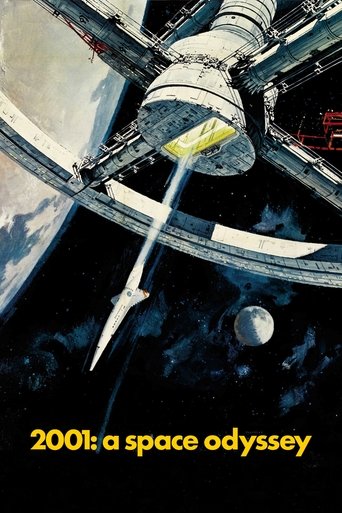
2001: A Space Odyssey 1968
The Alchemical Ascent of Consciousness
Read the revelation →