Waking Life
Waking Life Is the Tibetan Book of the Dead for People Who Think They're Awake
Directed by Richard Linklater
The rotoscope refuses to hold still because the soul it traces cannot find the body it is supposed to re-enter.
Wiley Wiggins spends ninety-seven minutes trying to wake up. He cannot do it. Every time he decides he is finally awake, another scene opens, another teacher materializes, another conversation about consciousness begins. The film never lands. Linklater built a machine that produces the sensation of arrival without arrival, and this is not a stylistic quirk. The Tibetan Buddhist tradition mapped this territory in precise detail eight centuries before cinema existed. What they called the bardo, Linklater called a film. They are describing the same country.
Gnosticism: The World That Flickers Is the World the Demiurge Made
The rotoscope animation is Linklater's cosmological statement. Every frame is traced reality, a copy made over living footage, and the shimmer at every edge is the seam showing. The Gnostic reading of the material world runs exactly here: what you call reality is an image projected over something deeper, and its nature is to flicker at the boundary if you look long enough. The pneumatic soul, the divine spark, is the one constituent of the human person that the Demiurge's construction cannot fully contain.
The scene that cracks this open is the conversation about the dreaming political prisoner who achieves freedom by deciding his dream is real. One of Wiley's interlocutors pushes further: the waking consensus reality is itself the dream that most people never question. What the Gnostics called the kenoma, the empty space populated by the Demiurge's images, looks from inside exactly like Waking Life looks on screen. Plausible, textured, inhabited by articulate beings delivering urgent information, and impossible to exit through ordinary means. Wiley rises at the end not into liberation but into continued suspension. The pneuma that cannot find its origin stays in the kenoma, circling.
Questions this film answers
What is the deeper meaning of Waking Life?
Wiley Wiggins spends ninety-seven minutes trying to wake up. He cannot do it. Every time he decides he is finally awake, another scene opens, another teacher materializes, another conversation about consciousness begins. The film never lands. Linklater built a machine that produces the sensation of arrival without arrival, and this is not a stylistic quirk. The Tibetan Buddhist tradition mapped this territory in precise detail eight centuries before cinema existed. What they called the bardo, Linklater called a film. They are describing the same country.
What is the hidden symbolism in Waking Life?
In the Tibetan system, the bardo is the intermediate state between death and rebirth. The deceased encounters a succession of luminous visions and teaching figures. The quality of awareness brought to each encounter determines whether liberation or further cycling results. The bardo traveler who mistakes the visions for solid reality stays caught. The one who recognizes them as display of mind moves through.
What esoteric traditions appear in Waking Life?
Waking Life draws from Buddhism, Gnosticism traditions. The rotoscope refuses to hold still because the soul it traces cannot find the body it is supposed to re-enter.
Is Waking Life worth watching for spiritual seekers?
Waking Life (2001) directed by Richard Linklater is essential viewing for those interested in Buddhism, Gnosticism. Waking Life Is the Tibetan Book of the Dead for People Who Think They're Awake. It rewards multiple viewings and contemplation.
Rewatch With New Eyes
Now that you've seen the architecture, experience it again. The same film becomes a different film when you know what to watch for.
This time, watch for:
- See impermanence: what clings, what releases, what remains
- Watch for the false world vs. the real — who is asleep, who awakens
Links may include affiliate partnerships that support Media Revelations
The Descent Continues
Where this thread leads next.
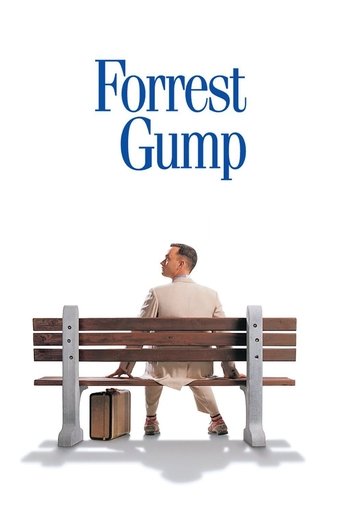
Forrest Gump 1994
The Holy Fool and the Feather of Grace
Read the revelation →