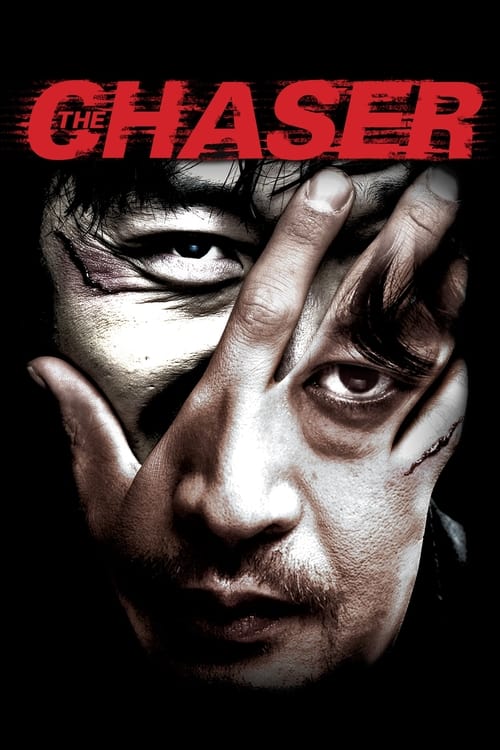
The Chaser
The Chaser Is About a World Where the Truth Is Known and Nothing Can Be Done
Directed by Na Hong-jin
The detective catches the killer in the first act. Then the system releases him, and the film becomes a study in what it feels like to see clearly inside a broken machine.
Na Hong-jin's debut refuses the pleasure it seems to promise. Eom Joong-ho, a disgraced cop now pimping women, realizes his missing girls all took a call from the same client, and within forty minutes he has the killer, Yeong-min, in custody. Most thrillers would begin their game here. The Chaser ends the hunt and starts something bleaker: Yeong-min confesses, the police cannot hold him, and Mi-jin, the woman still alive somewhere, dies while everyone who could save her is buried in procedure. This is not a film about catching a monster. It is about the horror of possessing the truth in a world constructed so that truth changes nothing.
Gnostic Reading: The System Is the Prison, and the Guards Do Not Know
Gnostic cosmology names the world an artifact built by a lower power, the Demiurge, whose creation is a machine of error mistaking itself for order. The Chaser films this machine as the Korean criminal-justice bureaucracy. The police have the killer. He tells them where the woman is being kept. And the apparatus, with its rules on evidence, its jurisdictional turf, its officials chasing a mayor-dung-throwing scandal instead of a murderer, grinds forward as if designed to produce exactly the wrong outcome. The archons here are not evil. They are worse: they are functionaries, executing a system whose logic is death while believing they serve justice.
Joong-ho is the gnostic who has woken up inside this. He alone sees the whole shape, that Mi-jin is alive, that Yeong-min is guilty, that every minute of process is a minute of her dying. His knowledge grants him no power, only anguish, which is the specific torment of gnosis in a fallen world. To see truly and be unable to act is the condition the Gnostics called being asleep in the flesh, except Na Hong-jin gives it a crueler turn: Joong-ho is awake, and the machine sleeps on.
Buddhist Reading: A Wheel of Suffering That No Compassion Can Stop
The film is a meditation on causation running to the wrong end. Every action produces its karmic result, but the chain here is jammed. Joong-ho pimped these women; that greed set the deaths in motion. His scramble to find Mi-jin is remorse converting into desperate effort, and it comes too late. Mi-jin's death in the grocery store, so close to rescue, is the film's darkest teaching on impermanence and helplessness: presence and effort do not guarantee salvation. Sometimes the wheel turns and crushes what it will, and the only enlightenment on offer is the bare, unbearable seeing of it, without the consolation that seeing can change the outcome.
Questions this film answers
What is the deeper meaning of The Chaser?
Na Hong-jin's debut refuses the pleasure it seems to promise. Eom Joong-ho, a disgraced cop now pimping women, realizes his missing girls all took a call from the same client, and within forty minutes he has the killer, Yeong-min, in custody. Most thrillers would begin their game here. The Chaser ends the hunt and starts something bleaker: Yeong-min confesses, the police cannot hold him, and Mi-jin, the woman still alive somewhere, dies while everyone who could save her is buried in procedure. This is not a film about catching a monster. It is about the horror of possessing the truth in a world constructed so that truth changes nothing.
What is the hidden symbolism in The Chaser?
Gnostic cosmology names the world an artifact built by a lower power, the Demiurge, whose creation is a machine of error mistaking itself for order. The Chaser films this machine as the Korean criminal-justice bureaucracy. The police have the killer. He tells them where the woman is being kept. And the apparatus, with its rules on evidence, its jurisdictional turf, its officials chasing a mayor-dung-throwing scandal instead of a murderer, grinds forward as if designed to produce exactly the wrong outcome. The archons here are not evil. They are worse: they are functionaries, executing a system whose logic is death while believing they serve justice.
What esoteric traditions appear in The Chaser?
The Chaser draws from Gnosticism, Buddhism traditions. The detective catches the killer in the first act. Then the system releases him, and the film becomes a study in what it feels like to see clearly inside a broken machine.
Is The Chaser worth watching for spiritual seekers?
The Chaser (2008) directed by Na Hong-jin is essential viewing for those interested in Gnosticism, Buddhism. The Chaser Is About a World Where the Truth Is Known and Nothing Can Be Done. It rewards multiple viewings and contemplation.
Rewatch With New Eyes
Now that you've seen the architecture, experience it again. The same film becomes a different film when you know what to watch for.
This time, watch for:
- Watch for the false world vs. the real — who is asleep, who awakens
- See impermanence: what clings, what releases, what remains
Links may include affiliate partnerships that support Media Revelations
The Descent Continues
Where this thread leads next.

Memories of Murder 2003
Memories of Murder Is About a Face You Are Never Allowed to See
Read the revelation →