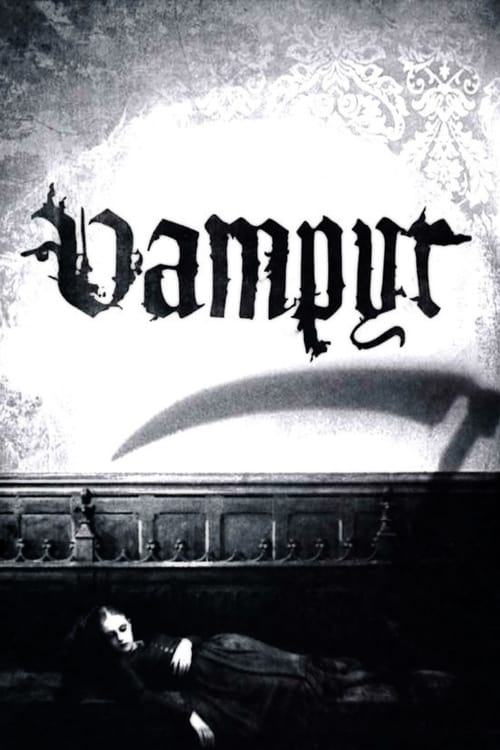
Vampyr
Vampyr Films the Soul's Own Death Rehearsal, Because Dreyer Knew the Body Is Only Borrowed
Directed by Carl Theodor Dreyer
Shadows detach from their owners and dig graves alone. A man watches his own funeral through the glass of a coffin lid. Dreyer shot the whole film through gauze so you would understand you are not looking at the world, you are looking at the veil.
Vampyr is the strangest film ever made about a vampire, because the vampire is almost incidental. Allan Gray arrives at a village drowning in an atmosphere of dread, is handed a book about vampires by a dying man, and slowly discovers that an old woman is draining the life from a young girl named Léone. That plot is real but weightless. What Dreyer actually made is a film about the porousness of the boundary between the living and the dead, shot so that fog and softness soak every frame, faces blur, shadows act without their bodies, and the camera glides through space like a consciousness that has already left its skull. The horror is not that a monster feeds on the living. The horror, and the strange consolation, is that the veil between states is thin, and Dreyer wants you to feel it thinning around you as you watch.
Gnosticism Reading: The Book Is the Secret Teaching, and the Village Is the World Asleep
Gnostic myth describes the human soul as a spark trapped in matter, drowsing in a world it mistakes for the whole of reality, in need of a text or a messenger to wake it. Allan Gray is that drowsing spark, and the film gives him the messenger literally: a stranger enters his room, leaves a book to be opened only in the event of his death, and departs. The book is the gnosis, the hidden knowledge about the true nature of the powers that feed on the living. The village itself is the sleeping cosmos, a place where people are being drained and do not know it, where an old woman functions as an archon quietly harvesting the life-force of the young.
The film's most famous sequence is its most Gnostic. Allan's spirit separates from his body and he watches, through the small window of a coffin lid, his own burial, the sky and treetops sliding past overhead as he is carried to the grave. This is the soul recognizing that the body is a coffin it has been riding all along. The pneumatic sees his own interment and is not in it. Gnosis is exactly this doubling: the moment consciousness realizes it is not identical with the flesh being lowered into the ground. Vampyr does not argue this. It shows it to you from inside the box.
Alchemy Reading: The Miller Drowned in White
The vampire's servant, the village doctor, meets an end that is pure alchemical image: he is trapped in the mill and buried alive under a rising tide of white flour, sifting down and down until he is entombed in whiteness, mouth and eyes filling, motion ceasing. Alchemy calls the whitening albedo, the stage after the black death of the material when the substance is purified toward light. But this is albedo as punishment, whitening imposed on the one being who serves death rather than transformation.
The contrast is the film's quiet argument. Léone, drained toward death, is the corrupted prima materia the whole story labors to redeem, and her cure comes through blood freely given, one life transfused into another. That is the true alchemical operation, transmutation by sacrifice. The doctor, who took life to preserve unlife, gets the counterfeit of purification, a smothering white grave. The film sorts its dead by which of them submitted to change and which of them refused it.
Questions this film answers
What is the deeper meaning of Vampyr?
Vampyr is the strangest film ever made about a vampire, because the vampire is almost incidental. Allan Gray arrives at a village drowning in an atmosphere of dread, is handed a book about vampires by a dying man, and slowly discovers that an old woman is draining the life from a young girl named Léone. That plot is real but weightless. What Dreyer actually made is a film about the porousness of the boundary between the living and the dead, shot so that fog and softness soak every frame, faces blur, shadows act without their bodies, and the camera glides through space like a consciousness that has already left its skull. The horror is not that a monster feeds on the living. The horror, and the strange consolation, is that the veil between states is thin, and Dreyer wants you to feel it thinning around you as you watch.
What is the hidden symbolism in Vampyr?
Gnostic myth describes the human soul as a spark trapped in matter, drowsing in a world it mistakes for the whole of reality, in need of a text or a messenger to wake it. Allan Gray is that drowsing spark, and the film gives him the messenger literally: a stranger enters his room, leaves a book to be opened only in the event of his death, and departs. The book is the gnosis, the hidden knowledge about the true nature of the powers that feed on the living. The village itself is the sleeping cosmos, a place where people are being drained and do not know it, where an old woman functions as an archon quietly harvesting the life-force of the young.
What esoteric traditions appear in Vampyr?
Vampyr draws from Gnosticism, Alchemy traditions. Shadows detach from their owners and dig graves alone. A man watches his own funeral through the glass of a coffin lid. Dreyer shot the whole film through gauze so you would understand you are not looking at the world, you are looking at the veil.
Is Vampyr worth watching for spiritual seekers?
Vampyr (1932) directed by Carl Theodor Dreyer is essential viewing for those interested in Gnosticism, Alchemy. Vampyr Films the Soul's Own Death Rehearsal, Because Dreyer Knew the Body Is Only Borrowed. It rewards multiple viewings and contemplation.
Rewatch With New Eyes
Now that you've seen the architecture, experience it again. The same film becomes a different film when you know what to watch for.
This time, watch for:
- Watch for the false world vs. the real — who is asleep, who awakens
- Track the stages: blackening, whitening, reddening — death before rebirth
Links may include affiliate partnerships that support Media Revelations
The Descent Continues
Where this thread leads next.
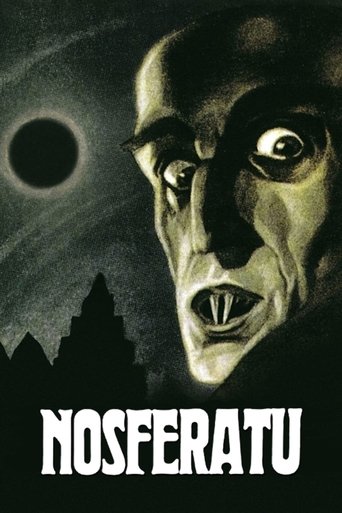
Nosferatu 1922
Nosferatu Is a Plague Story About What Repression Ships Home in the Cargo Hold
Read the revelation →